 Skip to content
Top 10 Powerful Postpartum Workouts to Help You Strengthen and Restore Your Body
November 27, 2024

Introduction
What are Postpartum Workouts?
After a transformative experience of bringing a baby into the world, many new moms often wonder how to safely ease back into exercise. Postpartum workouts are specifically designed to cater to women who have recently given birth. These routines focus not just on regaining physical strength but also on adapting to a body that has gone through significant changes. Whether it’s gentle stretches, restorative yoga, or strengthening exercises, these workouts prioritize healing and functionality.
As someone who embraced postpartum workouts after my own baby, I experienced firsthand how empowering it feels to reclaim control over my body. The best part? Most of these workouts can be done at home with little to no equipment!
Benefits of Postpartum Exercise
Engaging in exercise after childbirth comes with a multitude of benefits that go beyond aesthetics. Here’s what I found to be the most impactful:
- Restoration of Core Strength: Many workouts focus on rebuilding the deep abdominal muscles that can weaken during pregnancy.
- Improved Mood: Regular physical activity has been shown to reduce feelings of anxiety and depression, which are common in new moms.
- Physical Health: Helps enhance cardiovascular health, maintain a healthy weight, and boost energy levels.
By embracing postpartum workouts, I not only improved my physical health but also created a supportive routine that greatly enhanced my emotional well-being during those early postpartum days.

Importance of Postpartum Fitness
Restoring Core Strength
One of the most significant areas to focus on during postpartum fitness is restoring core strength. After pregnancy, your abdominal muscles, especially the deep core muscles, may feel weak or disconnected. This can lead to challenges in daily activities, from lifting your baby to simply standing up.
In my own experience, I was surprised at how even basic movements felt challenging. This is where targeted workouts come into play.
Some effective exercises to consider include:
- Pelvic Tilts: Great for gently engaging the core without straining.
- Modified Planks: Help in rebuilding strength gradually.
- Bridges: A fantastic way to activate your glutes while supporting your lower back.
By incorporating these exercises into my routine, I noticed a gradual improvement in my core stability, which made routine tasks feel much more manageable.
Enhancing Overall Well-being
The benefits of postpartum fitness extend far beyond just physical recovery—it’s essential for overall well-being. Engaging in regular workouts has been pivotal for my mental health.
Here’s how postpartum fitness has enhanced my overall well-being:
- Mood Booster: Exercise releases endorphins, which help in combating the baby blues.
- Improved Sleep: A consistent workout schedule helped me achieve better quality sleep.
- Social Connection: Joining postpartum fitness classes allowed me to meet other moms, creating a supportive network.
In taking the time to focus on my fitness after having a baby, I discovered an avenue for growth, self-care, and connection. This holistic approach fosters both physical and emotional resilience during a period of immense change.

Top 10 Postpartum Workouts
Cardiovascular Exercises
Once you feel ready to start moving, incorporating cardiovascular exercises is a fantastic way to boost your energy levels. Walking with your baby in a stroller or light jogging around your neighborhood can be refreshing. I often found that a brisk walk outdoors allowed me to enjoy fresh air while easing back into fitness.
Strength Training
Strength training is crucial for rebuilding muscle, particularly in your arms and back, which can weaken from holding and carrying your baby. Simple exercises, like using resistance bands or bodyweight squats, can yield great results.
Yoga and Pilates
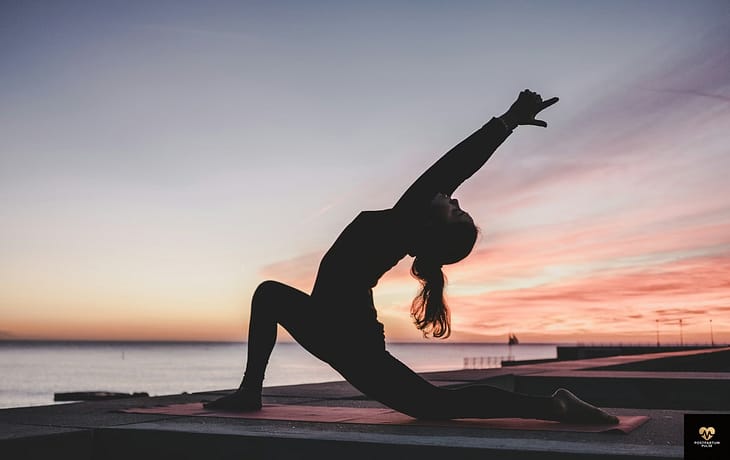
Yoga and Pilates are excellent for improving flexibility and core strength while providing a calming effect. In my postpartum journey, these practices helped me reconnect with my body in a gentle and nurturing way.
Pelvic Floor Exercises
Don’t forget to include pelvic floor exercises, like Kegels, to strengthen this important area. They can make a significant difference in recovery and overall comfort.
Low-Impact Workouts
Low-impact workouts, including cycling or swimming, are also great options. These exercises allow for a good cardiovascular workout without putting too much strain on your body.
High-Intensity Interval Training (HIIT)
When you’re ready to up the intensity, HIIT workouts can be highly effective and time-efficient. Incorporating intervals of short bursts of high effort can help in fat loss and strength gain.
Postpartum Abdominal Workouts
Focusing on postpartum abdominal workouts can help in re-establishing core strength. Consider including modified crunches or leg raises in your routine.
Full Body Workouts
Full body workouts combine multiple muscle groups, which can save time and give you a balanced approach. Think circuit-style workouts that encompass everything from squats to push-ups.
Mind-Body Exercises
Mind-body exercises such as Tai Chi or meditative practices can profoundly impact your mental health. They promote relaxation and mindfulness amidst the chaos of new motherhood.
Stretching and Flexibility Routines
Lastly, don’t underestimate the power of stretching! Incorporating stretching and flexibility routines into your daily activities can help prevent stiffness and improve overall mobility.
These ten workout categories provide a well-rounded approach to postpartum fitness, ensuring you can find something that resonates with your experience and needs. By varying my routine with these options, I remained engaged and motivated on my fitness journey.
Tips for a Safe Postpartum Workout
Consulting with a Healthcare Provider
Before diving into any postpartum workout regimen, one of the best steps is to consult with your healthcare provider. They can offer personalized advice tailored to your unique recovery journey. I remember feeling overwhelmed by the plethora of information out there, but my doctor helped clarify what types of exercises were safe for my specific condition.
A few key questions to consider when you consult your provider include:
- When is it safe to start exercising?
- Are there specific exercises I should avoid?
- How can I recognize signs of complications?
Having this guidance can provide you with the peace of mind needed to regain your confidence in fitness.
Listening to Your Body
One of the most important things I learned is to listen to my body. After birth, your body has gone through significant changes, so it’s vital to approach exercise with patience.
Pay attention to signals like:
- Excessive fatigue: If you’re feeling drained rather than energized, take it easy.
- Pain: Some discomfort is normal, but sharp or persistent pain is a red flag.
- Healing signs: Respect the healing process of your body, and don’t push too hard too soon.
Proper Nutrition and Hydration
Lastly, don’t forget the critical role of nutrition and hydration in your postpartum fitness journey. Eating a balanced diet rich in whole foods will fuel your workouts and help the body recover. I made it a point to keep healthy snacks like fruits and nuts on hand for quick energy boosts.
Hydration is equally important, especially if you’re breastfeeding. Aim for at least 8-10 cups of water a day. A simple way to gauge hydration levels is to check the color of your urine—it should be light yellow.
By taking these steps—consulting your doctor, tuning into your body, and fueling it well—you’ll set the stage for a safe and effective postpartum fitness journey.

Incorporating Postpartum Workouts into Your Daily Routine
Scheduling Workouts with Baby’s Needs
As a new mom, finding the time to exercise can feel like a juggling act. One of the most effective strategies I discovered is to schedule my workouts around my baby’s needs. Understanding your little one’s routine can greatly enhance your ability to sneak in exercise.
For instance, I noticed that my baby usually took a morning nap around the same time every day. So, I made it a point to prioritize my workout during that window. Here are a few tips that helped:
- Short, Efficient Workouts: Opt for 15-30 minute sessions that maximize results without demanding too much time.
- Workouts While Baby is Awake: Engage your baby in exercises. I’ve done squats while holding my little one, which kept both of us entertained!
- Baby-Wearing Workouts: Consider using a baby carrier for low-impact exercises as you bond and stay active.
Finding Support and Accountability
Another key component in maintaining a workout routine is finding support and accountability. Having someone to share the journey with makes it much more enjoyable.
Here’s what worked for me:
- Join a Local Postpartum Fitness Class: Being around with other new moms provided motivation and a sense of community. We shared tips, experiences, and even swapped baby-watching duties!
- Workout Buddy: Finding a friend to exercise with not only keeps you accountable but adds a social aspect to fitness.
- Online Support Groups: Engaging with digital communities can keep you inspired. Platforms like social media or parenting forums are great for connecting with others on similar paths.
By scheduling your workouts around your baby’s routine and building a supportive network, you can incorporate postpartum workouts into your daily life smoothly. I’ve found that this approach not only helps me stay consistent but also builds a fun routine that fits our new family dynamic.

Adjusting Workouts for Postpartum Challenges
Diastasis Recti Exercises
One of the most common postpartum challenges many women face is diastasis recti, which is the separation of the abdominal muscles. I remember being shocked to discover I had it after pregnancy, and I learned that specific exercises can actually help in healing this condition.
Here are some effective exercises I’ve incorporated into my routine:
- Modified Crunches: Instead of traditional crunches, lay on your back and gently lift your head and shoulders while keeping your core engaged.
- Heel Slides: Lying on your back, slowly slide your heels toward your body while keeping your abdominal muscles engaged—this works wonders!
- Knees to Chest: Pull your knees toward your chest while maintaining a flat back on the ground, allowing for a gentle stretch and core engagement.
Always ensure that you’re doing these gently and with proper form to avoid straining.
Modifications for C-Section Recovery
If you’ve had a C-section, your body requires extra care and attention as it heals. I found that modifying my workouts was essential during my recovery phase.
Here are some valuable tips to keep in mind:
- Engage with Gentle Movements: Start with short walks as your primary form of exercise. Walking not only aids in recovery but also helps improve circulation.
- Be Mindful of Core Engagement: Focus on core exercises that keep pressure off the incision site. Lying down and performing gentle pelvic tilts is a great option.
- Avoid Certain Movements: Steer clear of traditional core workouts initially. Instead, stick to low-impact exercises that don’t strain your abdomen.
Listening to your body and making these adjustments helped me navigate my postpartum fitness safely. Remember, every journey is unique, and taking the time to adapt to your body’s needs will yield the best results in the long run.
Tracking Progress and Celebrating Achievements
Setting Realistic Goals
As I embarked on my postpartum fitness journey, one of the most invaluable lessons I learned was the importance of setting realistic goals. Having gone through a major life change, it’s easy to feel pressured to bounce back immediately. However, I found that smaller, achievable milestones helped keep me motivated.
Here are some tips for setting effective goals:
- Focus on Specifics: Instead of vague goals like “lose weight,” I aimed for something concrete, such as “walk for 30 minutes three times a week.”
- Be Patient with Yourself: Recognize that post-baby recovery takes time. Celebrate every small victory, whether it’s completing a workout or simply feeling more energized.
- Adjust as Needed: Life with a baby can be unpredictable, so allow yourself to adjust your goals as circumstances change—flexibility is key!
Monitoring Physical Changes
Tracking your physical changes is another insightful way to stay engaged in your fitness journey. While the scale can be one measure, it’s essential to consider other aspects as well. I found using a combination of methods incredibly beneficial:
- Take Measurements: Keep track of measurements for your waist, hips, and thighs to see where changes occur over time.
- Keep a Workout Journal: Recording workouts and noting how you feel afterward gave me a sense of accomplishment and helped identify patterns.
- Photographs: Taking progress photos can provide a visual representation of your journey, reinforcing how far you’ve come.
By setting realistic goals for yourself and actively monitoring your progress, you create a positive feedback loop that celebrates your achievements—big and small! This way, instead of feeling discouraged, I found myself inspired by the small steps leading to greater advancements on my way to postpartum fitness.

Postpartum Mental Health and Exercise
Exercise as a Mood Booster
After giving birth, I quickly realized that my mental well-being was just as crucial as my physical recovery. That’s when I discovered how much exercise could act as a powerful mood booster. Engaging in regular physical activity, even if it was just a brisk walk with my baby, made a significant difference in my overall outlook.
Here’s how exercise can enhance mood:
- Release of Endorphins: Physical activity triggers the release of endorphins, the “feel-good” hormones, which can help lighten your mood.
- Stress Relief: Exercise serves as a productive outlet for stress, providing a much-needed break from the challenges of new motherhood.
- Social Connection: Joining postpartum classes or finding a workout buddy helped me build supportive friendships during a sometimes isolating period.
I always felt a little more energized and cheerful after my workouts, reinforcing the importance of making them a routine part of my life.
Seeking Professional Help When Needed
While exercise can be immensely beneficial, it’s vital to recognize when professional help is necessary. I learned that sometimes, we can’t tackle everything alone, and seeking support is a sign of strength, not weakness.
Signs it might be time to reach out include:
- Persistent Feelings of Sadness or Anxiety: If these feelings linger beyond the expected “baby blues,” professional guidance can provide valuable resources.
- Difficulty Bonding with Your Baby: A lack of connection can be a red flag, indicating you may need support.
- Overwhelming Fatigue: More than just physical tiredness, emotional exhaustion can signal the need for help.
Discussing my feelings with a therapist opened new doors for self-care and coping strategies I hadn’t considered. Remember, prioritizing your mental health is just as important as your physical fitness in this incredible but challenging journey of motherhood.
Real-life Success Stories
Inspirational Accounts of Postpartum Fitness Journeys
Nothing inspires hope and motivation like hearing real-life success stories. As I navigated my own postpartum fitness journey, I found it incredibly uplifting to read about other women who had successfully reclaimed their strength and confidence after childbirth. These stories served as reminders that every woman’s journey is unique, yet we all share similar struggles and victories.
One account that truly resonated with me was that of a fellow mom who dedicated herself to a daily 20-minute HIIT workout while her baby napped. She not only regained her pre-baby fitness level but also found herself feeling more energized and happy. She shared, “Those small moments of self-care during my busy day made a world of difference. It was my time to recharge.”
Another inspiring story was from a mom who turned to yoga after feeling overwhelmed by postpartum anxiety. The calming nature of the practice allowed her to connect with her body and mind, ultimately creating a supportive community of moms along the way. She said, “The yoga classes became my sanctuary—an escape where I could breathe and be myself again.”
These success stories illustrate the power of determination and highlight how making small, consistent changes can lead to remarkable outcomes. They remind me—and hopefully you too—that postpartum fitness isn’t just about losing weight or looking a certain way; it’s about growing stronger and celebrating each step of the journey.

Conclusion
Recap of Top Postpartum Workouts
As we’ve journeyed together through the various aspects of postpartum fitness, it’s clear that finding the right workout routine can lead to remarkable benefits both physically and mentally. We explored a diverse range of postpartum workouts, including:
- Cardiovascular Exercises: Simple yet effective ways to boost energy and mood.
- Strength Training: Crucial for rebuilding muscle strength, especially in arms and core.
- Yoga and Pilates: Great for flexibility and relaxation.
- Pelvic Floor Exercises: Helping reclaim vital core support.
- Low-Impact Options: Gentle ways to get moving without overexertion.
- High-Intensity Interval Training (HIIT): For those ready to elevate their fitness.
- Mind-Body Exercises: Promoting mental health alongside physical gains.
Each of these has unique advantages that can be tailored to fit your personal journey.
Encouragement for Starting Your Fitness Journey
As you embark on your postpartum fitness journey, remember to be kind to yourself. Progress might feel slow at times, but every little step counts. Celebrate your victories, no matter how small, and don’t hesitate to seek support from friends, family, or community groups.
It’s okay to have tough days; what matters is the determination to keep moving forward. I found immense joy and empowerment in my own journey, and I encourage you to embrace the process.
Ultimately, postpartum fitness is about rediscovering yourself, cultivating strength, and enjoying the ride of motherhood. Start where you are, use what you have, and do what you can—you’ve got this!