 Skip to content
Does Breast Size Affect Breastfeeding? Powerful Truths Every Mom Should Know
August 29, 2026

I have lost count of how many times new mothers have asked me, “Does breast size affect breastfeeding?”
I’ve always been fascinated by the human body, especially its incredible ability to nourish a new life. As a woman, and someone who has observed many mothers on their breastfeeding journeys, I’ve often wondered the role of physical attributes in this complex process. One question that frequently arises, both in my mind and in conversations with others, is about the impact of breast size on breastfeeding success. It’s a topic shrouded in myths and misconceptions, and I believe it deserves a clear, evidence-based exploration.
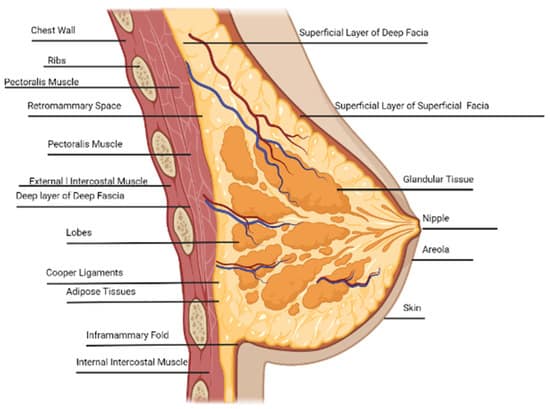
Before delving into the question of size, I find it important to understand what actually constitutes a breast and what its function is. It’s not just a mound of tissue; it’s a marvel of biological engineering.
Glandular Tissue: The Milk Factories
When I think about breastfeeding, my mind immediately goes to the glandular tissue. This is the heart of milk production. It’s composed of lobules and alveoli, tiny sacs where milk is actually made. The amount of glandular tissue is what determines a breast’s capacity to produce milk, not its overall size. I’ve learned that a woman with smaller breasts can have just as much, if not more, glandular tissue than a woman with larger breasts. This was surprising to me as well, as I, like many others, had same common assumption that bigger breasts automatically mean more milk.
Fatty Tissue: The Shape Shifter
Fatty tissue, on the other hand, is what primarily dictates breast size. It’s the padding that gives breasts their shape and volume. While essential for overall breast structure, it doesn’t play a direct role in milk production. I often explain this to expectant mothers by saying, “Think of it like a beautiful package. The wrapping might be different sizes, but it’s what’s inside that truly matters.” A larger amount of fatty tissue can certainly make breasts appear fuller, but it doesn’t inherently translate to a larger milk supply.
Ducts and Ligaments: The Support System
Beneath the surface, a network of ducts carries the milk from the alveoli to the nipple. These ducts are like tiny highways, ensuring the precious milk reaches the baby. Cooper’s ligaments provide support and shape to the breasts. All these components work in harmony, regardless of the breast’s external dimensions, to facilitate the breastfeeding process.
Breast size has long been a topic of discussion when it comes to breastfeeding, with many wondering if larger or smaller breasts impact a mother’s ability to nurse effectively. A related article that delves into this subject is available at Postpartum Pulse, where timelines of milk production for breastfeeding are explored. This resource provides valuable insights for new mothers seeking to understand how anatomy may play a role in their breastfeeding journey.
Does Breast Size Affect Breastfeeding? Debunking the Myths
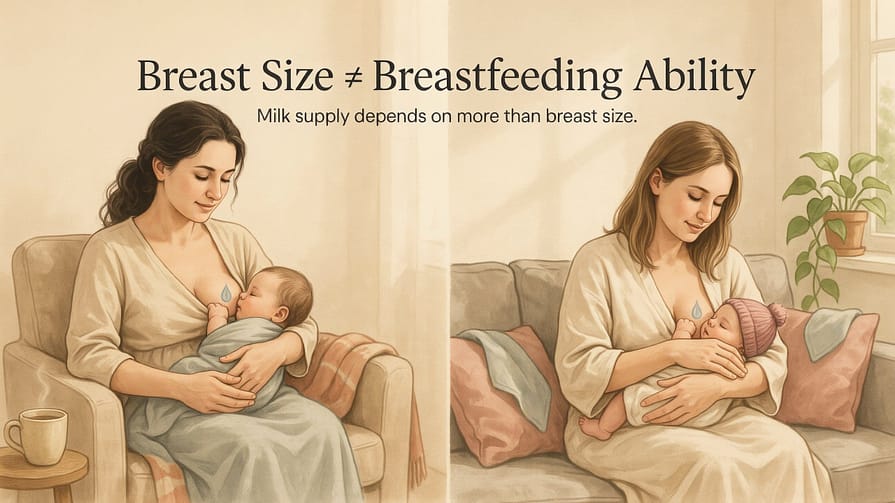
The biggest misconception I’ve encountered, and one I initially held myself, is that breast size directly correlates with milk supply. This simply isn’t true.
So, does breast size affect breastfeeding? Not in the way many new mothers fear. Breast size does not determine how much milk you can produce; factors such as effective milk removal, latch, and hormonal influences play a much bigger role.
The Myth of Bigger Breasts, More Milk
I’ve heard countless times, “Oh, she has such small breasts, I doubt she’ll produce enough milk.” This narrative is incredibly damaging, fostering anxiety and self-doubt in mothers with smaller breasts. I want to emphatically state that breast size has absolutely no bearing on a woman’s ability to produce a sufficient milk supply for her baby. My own observations and extensive reading have confirmed this: a woman with an A-cup can produce just as much milk as a woman with a D-cup. The crucial factor is the amount of functional glandular tissue, not the overall volume of the breast.
The Real Factors Influencing Milk Supply
So, if not size, then what does influence milk supply? This is where I feel it’s important to educate and empower new mothers. The primary drivers of milk production are demand and effective milk removal.
Frequent and Effective Draining
The more frequently and effectively milk is removed from the breast, the more milk the body will produce. This is a supply-and-demand system. If a baby nurses often and empties the breast well, the body gets the signal to make more milk. I always emphasize to new mothers the importance of responsive feeding – feeding their baby whenever they show signs of hunger, not sticking to a rigid schedule.
Proper Latch
A good latch is paramount. If a baby isn’t latched on correctly, they won’t be able to efficiently remove milk, which can lead to decreased supply and sore nipples for the mother. I’ve seen firsthand how much a simple adjustment in latch can transform a struggling breastfeeding journey into a successful one. It’s often a subtle change, but its impact is profound.
Hormonal Influences
Hormones play a significant role. Prolactin is the hormone primarily responsible for milk production, while oxytocin facilitates the milk ejection reflex (let-down). Stress, certain medications, and underlying medical conditions can all impact these hormonal balances, thereby affecting milk supply. I often advise mothers to seek support if they suspect hormonal imbalances are at play.
Practical Considerations for Different Breast Sizes

While breast size doesn’t impact milk production, it can sometimes influence the mechanics of breastfeeding. These are practical considerations I’ve observed and learned about, aiming to make the process more comfortable and efficient for mothers of all shapes and sizes.
Navigating Larger Breasts
For mothers with larger breasts, I’ve noticed some common challenges, primarily related to positioning and visibility.
Positioning Challenges
Achieving a comfortable and effective latch can sometimes be more challenging with larger breasts. The sheer volume can make it difficult for the baby to get a deep latch, or for the mother to see if the baby is latched properly. I often suggest techniques like the football hold or laid-back breastfeeding, where gravity can help in positioning. Using pillows for support can also make a world of difference, lifting the baby to the breast rather than forcing the breast down to the baby.
Getting the right position and latch can make breastfeeding more comfortable and support effective milk removal. For additional guidance, see the CDC’s breastfeeding resources.
The CDC specifically highlights positioning, effective latch, milk removal, and breastfeeding support as important parts of breastfeeding education.
Baby’s Airway
One concern I’ve heard from mothers with larger breasts is the worry about their breast obstructing the baby’s nose. I always reassure them that a simple “C-hold” or “U-hold” of the breast can create space for the baby to breathe comfortably. It’s about gentle manipulation to ensure both comfort and safety.
Potential for Engorgement
Larger breasts can sometimes hold more milk, which can lead to more intense engorgement in the early days. I always advise frequent feeding and gentle massage to manage engorgement effectively.
Navigating Smaller Breasts
Conversely, mothers with smaller breasts also have their unique considerations, though these are often less about difficulty and more about perception and comfort.
Perceived Lack of Milk
The most significant challenge I see for mothers with smaller breasts is the societal perception that they won’t produce enough milk. This can lead to unnecessary anxiety and a lack of confidence, which can, ironically, interfere with milk supply. My role, and the role of other lactation supporters, is to continually reinforce that breast size is irrelevant to milk production.
Positioning for Comfort
While generally easier to position, some mothers with smaller breasts might find certain holds more comfortable. The cradle hold and cross-cradle hold are often well-suited. The key, as always, is finding what works best for each individual mother and baby.
Less Risk of Blocked Ducts (Generally)
While blocked ducts can happen to any breastfeeding mother, I’ve observed that mothers with smaller breasts may experience them slightly less frequently, simply due to the generally shorter and less convoluted duct system in some cases. This is a generalization, of course, and good breast care is essential for everyone.
More Frequent Nursing
Small breasts mean breasts can store less milk at a time and baby need nursing more frequently compared to bigger breasts. That’s not a problem unless you are working and have limited time and space for nursing. Like I said, read the baby hunger cues and plan your work accordingly.
The Role of Breast Changes During Pregnancy and Postpartum
It’s important to remember that breasts are dynamic organs, especially during pregnancy and postpartum. These changes are universal, regardless of initial breast size.
Pregnancy-Induced Growth
During pregnancy, hormonal changes cause the breasts to grow and develop the necessary structures for milk production. This growth happens in all women, though the degree of visible enlargement can vary. I always explain that this growth signifies the preparation for breastfeeding, not an indicator of future success based on pre-pregnancy size. Some women experience significant breast growth, while others notice only a subtle change, yet both can go on to breastfeed successfully.
Postpartum Engorgement and Milk Production
In the initial days after birth, breasts fill with colostrum and then mature milk, often leading to engorgement. This fullness can make breasts, regardless of their pre-pregnancy size, feel significantly larger and heavier. This is a normal physiological process, and I always reassure mothers that it’s a sign their bodies are doing exactly what they’re designed to do. Managing engorgement through frequent feeding or pumping is key to establishing a good milk supply.
The “Empty” Feeling
As breastfeeding progresses and milk supply regulates, breasts often feel less full and “empty” between feeds. This doesn’t mean milk supply is decreasing; rather, it indicates that the body has become efficient at producing milk on demand. I’ve seen mothers with both large and small breasts worry about this, but it’s a normal adaptation. It’s another instance where focusing on the baby’s cues and output (wet diapers, weight gain) is far more indicative of milk supply than breast fullness.
The relationship between breast size and breastfeeding has been a topic of interest for many new mothers. While some may wonder if larger breasts produce more milk, research indicates that breast size does not significantly affect a woman’s ability to breastfeed successfully. For those seeking to understand more about breastfeeding challenges, including issues like engorgement, a helpful resource can be found in this article on postpartum care. You can read more about it here. This information can provide valuable insights for mothers navigating their breastfeeding journey.
Beyond Size: What Truly Matters for Breastfeeding Success
Having explored the nuances of breast size, I always bring the conversation back to what truly underpins breastfeeding success. It’s a multifaceted journey, and physical dimensions are a minor player.
Education and Support
In my experience, the most crucial elements for breastfeeding success are accurate education and robust support. When mothers understand how lactation works, what to expect, and where to turn for help, they are far more likely to overcome challenges. I’ve seen mothers with every breast size imaginable struggle, and I’ve seen them thrive, and the common denominator in success is almost always a strong support system – be it a lactation consultant, a partner, family, or a support group.
For additional evidence-based information about breastfeeding and common concerns, visit ACOG’s breastfeeding guidance.
Confidence and Persistence
Breastfeeding is not always easy. It requires patience, persistence, and a healthy dose of self-confidence. I encourage mothers to trust their bodies and their babies. Doubts can creep in, especially in the early weeks, but believing in their ability to nourish their child is a powerful tool. I’ve witnessed the transformative power of a mother’s determination.
Baby’s Cues and Latch Optimization
Ultimately, the baby is the expert. Learning to read their hunger cues and ensuring they have a deep, effective latch are fundamental. A well-latched baby can efficiently empty the breast, stimulating milk production, regardless of the breast’s external appearance.
Overall Health and Well-being
A mother’s overall physical and mental health significantly impacts her breastfeeding journey. Stress, fatigue, poor nutrition, and underlying health conditions can all affect milk supply and the mother’s ability to cope with the demands of breastfeeding. I often remind mothers that taking care of themselves is not selfish; it’s essential for both their well-being and their baby’s.

In conclusion, the answer to “does breast size affect breastfeeding?” is reassuring: breast size does not dictate a mother’s ability to produce milk or successfully breastfeed her baby: The human body is incredibly adaptable and capable. While breast size can present minor practical considerations, it does not dictate a mother’s ability to produce milk or successfully breastfeed her baby. The true drivers of success lie in education, support, proper technique, and the unwavering bond between a mother and her child. It’s a powerful message I strive to share with every expectant and new mother I encounter.
FAQs
1. Does breast size affect breastfeeding ability?
No, breast size does not necessarily affect a woman’s ability to breastfeed. The size of a woman’s breasts is determined by the amount of fatty tissue, while the ability to produce milk is determined by the mammary glands within the breast.
2. Can women with small breasts produce enough milk for breastfeeding?
Yes, women with small breasts can produce enough milk for breastfeeding. The amount of milk produced is not determined by breast size, but rather by the stimulation of the mammary glands through frequent and effective breastfeeding.
3. Do women with larger breasts have an advantage in breastfeeding?
Women with larger breasts do not necessarily have an advantage in breastfeeding. While they may have more storage capacity for milk, they may also face challenges such as latching difficulties and increased risk of engorgement.
4. Are there any challenges for women with small breasts when breastfeeding?
Women with small breasts may face challenges such as latch difficulties for the baby, as well as concerns about producing enough milk. However, these challenges can often be overcome with proper support and guidance.
5. How can women with different breast sizes ensure successful breastfeeding?
Regardless of breast size, women can ensure successful breastfeeding by seeking support from lactation consultants, practicing proper latching techniques, and maintaining a healthy breastfeeding routine. It’s important to focus on the baby’s feeding cues and ensure proper nutrition and hydration for the mother.