 Skip to content
How Long is Postpartum Bleeding? Key Facts for New Moms
November 5, 2024

After childbirth, new mothers experience a natural process known as postpartum bleeding, or lochia. But how long is postpartum bleeding?
Lochia involves the shedding of blood, mucus, and tissue from the uterus, usually lasting four to six weeks as the body heals and the uterus shrinks back to its pre-pregnancy size.
Initially, the bleeding is heavy and bright red, akin to a new wound. Over time, it shifts to lighter shades of pink or yellow. Understanding the timeline and changes in postpartum bleeding is critical for maternal health and recovery. Let’s explore key facts about this process, equipping new moms with the knowledge and support they need.
Key Takeaways
- Postpartum bleeding, known as lochia, usually lasts four to six weeks after childbirth.
- The heaviest bleeding occurs in the initial two to four days, transitioning from bright red to pink or yellow as your body heals.
- Light bleeding or spotting may continue for up to six weeks, and small blood clots can be a normal part of the recovery process.
- If bleeding lasts longer than six weeks or becomes excessively heavy, seeking advice from a healthcare provider is necessary.
What is Lochia and Its Stages?
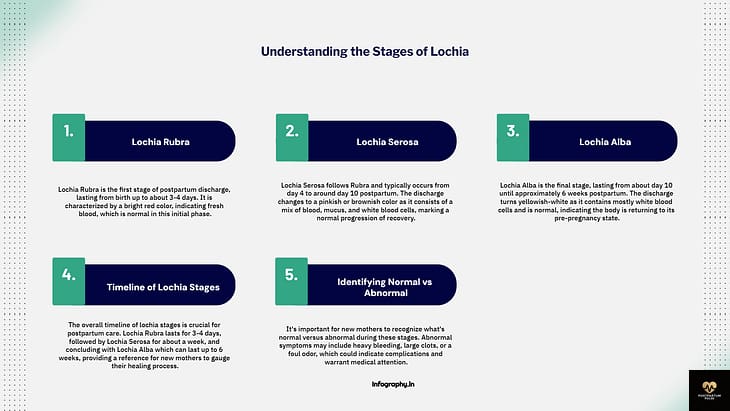
Lochia is the vaginal discharge that occurs after childbirth, playing a critical role in postpartum recovery. This discharge, necessary for placental healing, consists of blood, mucus, and uterine tissue. Imagine it as a tree shedding its leaves in autumn, clearing the way for new growth.
Lochia progresses through three distinct stages:
- Lochia Rubra: Lasting 3-4 days, this initial stage features heavy, bright red bleeding, similar to a strong menstrual flow.
- Lochia Serosa: From days 4 to 10, the discharge transitions to a pinkish-brown hue, becoming lighter and more watery.
- Lochia Alba: Lasting 2-6 weeks, this final stage presents a yellowish-white discharge, indicating that the body is nearing full recovery.
Usually, postpartum bleeding lasts between 4 to 6 weeks but can extend up to 12 weeks. Monitoring this process is critical; excessive bleeding may signal complications like hemorrhage. Prioritize regular perineal care and maintain open communication with healthcare providers to steer this critical phase of maternal health.
Factors Influencing the Duration of Postpartum Bleeding

Understanding the duration of postpartum bleeding, known as lochia, is critical for new mothers. Usually lasting four to six weeks, this bleeding varies based on several key factors. For instance, the delivery method plays a pivotal role; women who undergo a cesarean delivery often experience different bleeding patterns than those with a vaginal delivery.
Hormonal changes act like a symphony conductor, guiding the body’s recovery. As the body adjusts, uterine contractions help expel blood and tissue, gradually reducing the flow. Curiously, breastfeeding can amplify these contractions, sometimes causing heavier bleeding during nursing sessions. Also, maternal health and medical history are critical; conditions like placental retention can prolong bleeding, while a healthy recovery can shorten it.
Postpartum complications deserve careful attention. If bleeding becomes excessively heavy or is accompanied by large clots, it may signal a serious issue such as postpartum hemorrhage. Regular pelvic examinations during the postpartum period are necessary for monitoring these changes and ensuring a smooth recovery. For guidance on warning signs to watch for, check out this significant guide.
While the average duration of postpartum bleeding is around six weeks, factors like delivery type, hormonal shifts, and maternal health remarkably influence this timeline. Understanding these elements empowers new mothers on their recovery journey.
Signs of Abnormal Postpartum Bleeding to Watch For
After childbirth, postpartum bleeding, or lochia, is a natural process where the body expels blood, mucus, and uterine tissue. And how do you differentiate between normal bleeding and a serious condition like postpartum hemorrhage (PPH)? Imagine PPH as a sudden storm—intense and potentially life-threatening—occurring within the initial 24 hours or even up to 12 weeks postpartum.
Stay alert for signs of abnormal bleeding. Here are key indicators to watch for:
- Heavy flow: Soaking through two pads an hour for over two hours.
- Large clots: Passing clots larger than a lemon.
- Persistent bleeding: If it stops and then resumes.
These symptoms are red flags that demand immediate medical attention. Plus, if you experience fever, chills, or foul-smelling discharge, these could signal an infection. Your healthcare provider can perform a pelvic examination to assess blood loss and make sure proper postpartum care.
By closely monitoring your recovery, you can identify potential issues early, paving the way for improved maternal health in the weeks following childbirth.
Postpartum Care Tips for Managing Bleeding
Managing postpartum bleeding, or lochia, is critical for your recovery after childbirth. This bleeding can last up to six weeks, starting heavily and gradually lightening. But how do you steer this process?
Imagine your body as a garden; just as a garden flourishes with care, your body needs dedicated attention to heal properly.
Here are necessary postpartum care tips:
- Hydration: Drink plenty of water to aid your recovery.
- Nutrition: Eat balanced meals rich in iron and vitamins to replenish lost nutrients.
- Rest: Prioritize sleep; rest when your baby sleeps to promote healing.
- Health Monitoring: Keep track of your bleeding patterns and consult your doctor with any concerns.
- Emotional Support: Connect with friends or support groups to share experiences and feelings.
While breastfeeding, your body releases oxytocin, which helps the uterus contract and reduces bleeding. Think of this hormone as a natural fertilizer, nurturing your recovery. If you notice bright red bleeding after it has lightened or pass large clots, contact your healthcare provider immediately.
In this journey of maternal care, prioritizing your health paves the way for a smoother transition into motherhood.
When to Seek Medical Advice During Postpartum Recovery
During postpartum recovery, recognizing when to seek medical advice is critical for your health. Postpartum bleeding, known as lochia, is a normal part of healing, usually lasting four to six weeks. But how do you know when to reach out for help?
Be vigilant for warning signs. If your bleeding suddenly intensifies—soaking through a pad every hour—or if you pass large clots, it’s necessary to contact a healthcare provider. Think of your body as a garden; just as you wouldn’t ignore wilting plants, don’t dismiss troubling symptoms.
- Foul odor: A bad smell may indicate an infection.
- Fever or chills: These can signal a serious condition.
- Severe pain: Intense discomfort could suggest complications.
Your emotional health is similarly critical. If feelings of sadness or anxiety persist, seek professional help. Remember, maternal health is a journey, and pursuing maternal support is a critical step toward a healthy recovery.
Impact of Postpartum Bleeding on Maternal Health and Recovery
After childbirth, postpartum bleeding, or lochia, signals the body’s recovery, much like a garden shedding old leaves to make way for new growth. This bleeding usually lasts four to six weeks, but monitoring its intensity is critical. Why?
Excessive blood loss can lead to postpartum hemorrhage, a serious condition that threatens maternal health and recovery.
Understanding the stages of lochia is critical for tracking your healing journey. Initially, the discharge is bright red and heavy, transitioning to pink, then yellowish-white. This change mirrors uterine involution, the process where the uterus shrinks back to its pre-pregnancy size. If you experience unusually heavy bleeding or large clots, don’t hesitate to consult your healthcare provider.
Postpartum complications can also impact emotional well-being. Conditions like postpartum depression may arise, affecting in general health. So, follow-up care is necessary, providing support for both gynecological health and emotional recovery.
| Lochia Stage | Description |
|---|---|
| Lochia Rubra | Bright red, heavy flow, lasts 3-4 days. |
| Lochia Serosa | Pinkish-brown, moderate flow, lasts 4-12 days. |
| Lochia Alba | Yellowish-white, light flow, lasts up to 6 weeks. |
Psychological Impact of Postpartum Bleeding

Postpartum bleeding is a normal part of recovery, but it can sometimes take a toll on how new moms feel emotionally. When you’re already dealing with so many changes—sleepless nights, body aches, and the big shift to caring for a newborn—it’s easy to feel overwhelmed by the sight of constant bleeding.
For some, it might bring feelings of discomfort or frustration. You might feel like your body isn’t “yours” just yet, or maybe you worry about how long it’s taking to heal. These feelings are normal, and it’s okay to acknowledge them. Remember, your body has done something incredible, and healing takes time.
Some moms also worry about what’s “normal” when it comes to bleeding. Is it too heavy? Too light? The change in color or flow might make you anxious. If this sounds familiar, try to remember that every body heals in its own way, and you’re not alone in wondering about these things. Don’t hesitate to reach out to your doctor if you have concerns—getting answers can often bring peace of mind.
Finally, give yourself permission to rest, both physically and emotionally. It’s not just your body that needs time to adjust; your mind does too. Let friends, family, or support groups offer help, and talk openly about how you’re feeling. Sometimes, just knowing someone else understands makes all the difference.
Remember, there’s no “right” way to feel during this time. Whatever you’re going through, be kind to yourself. Healing is a journey, and you’re doing an amazing job.
Summing up
Postpartum bleeding is a critical part of recovery for new moms. Usually lasting four to six weeks, it can extend up to 12 weeks in some cases. Monitoring this bleeding is critical for your health. If you experience heavy bleeding or unusual symptoms, contacting a healthcare provider is necessary. Being informed and proactive empowers you to steer recovery effectively and address complications early. Prioritizing your body during this time is key to both physical and emotional well-being.
Frequently Asked Questions
What is the typical duration of postpartum bleeding?
Postpartum bleeding, or lochia, usually lasts 4 to 6 weeks, but can extend up to 12 weeks in some cases.
How long is postpartum bleeding?
Postpartum bleeding, or lochia, usually lasts 4 to 6 weeks, but can extend up to 12 weeks in some cases.
When should I contact a doctor about postpartum bleeding?
Contact your doctor if bleeding soaks through a pad in an hour, has large clots, or if you experience severe pain or fever.
What color is postpartum bleeding?
Postpartum bleeding starts bright red, then changes to brown, and at last fades to light brown or yellowish discharge over weeks.
Signup to our free weekly newsletter!
Ready to steer your postpartum journey with confidence?
Join our thriving community of new moms and access critical resources by signing up at Postpartum Pulse today! Why go it alone when you can connect with others who understand your experience?