 Skip to content
Do You Ovulate Postpartum Without Period? A Reassuring Guide for New Mothers
August 1, 2026

Many new mothers ask, “do you ovulate postpartum without period?” The answer is resounding yes. Your first ovulation can happen before your first postpartum period, which means it is possible to become pregnant even if your menstrual cycle has not returned.
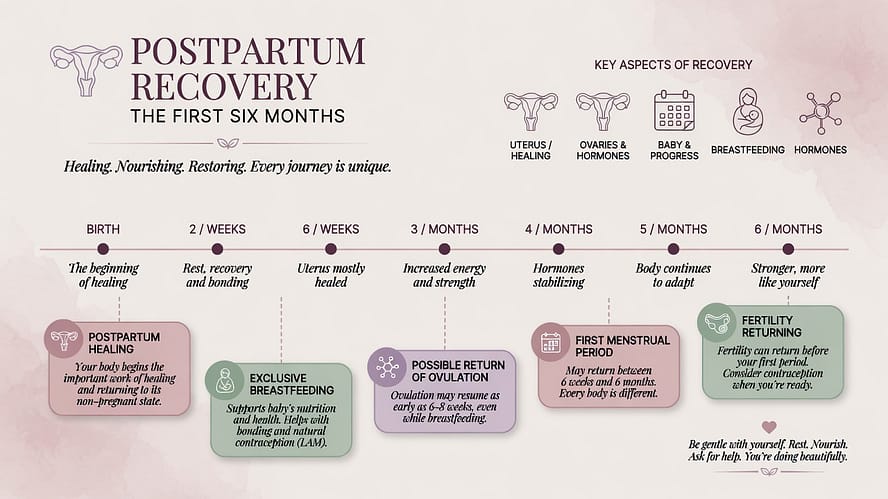
As a postpartum doula with a decade of experience navigating the beautiful, messy, and often surprising landscape of new motherhood, I’ve witnessed firsthand the incredible resilience and adaptability of the postpartum body. One of the most common, and frankly, anxiety-inducing questions I encounter is about the return of fertility after childbirth. Specifically, many new mothers wonder: “Can I ovulate without having my period first?”
The short answer, and one that often takes new mothers by surprise, is a resounding “yes.” This revelation can be a significant point of concern and confusion, especially for those who aren’t planning another pregnancy soon after welcoming their little one. Let’s delve into this fascinating aspect of postpartum recovery, demystifying the process and empowering you with knowledge.
The postpartum period is a time of profound physical and hormonal shifts. Your body has just completed an immense undertaking, and it’s now working tirelessly to heal, recover, and adjust to life with a newborn. Amidst this whirlwind of activity, the return of your reproductive cycle is a significant milestone, and it doesn’t always follow the predictable pattern you might have experienced before pregnancy. Understanding the underlying physiological processes is key to grasping why ovulation can occur independently of menstruation.
The Hormonal Reset Button
Pregnancy involves a dramatic hormonal cascade, with hormones like estrogen and progesterone soaring to support the developing fetus. After birth, these hormone levels begin to decline significantly. However, the pituitary gland, which plays a crucial role in regulating ovulation, needs time to recalibrate. It’s the intricate interplay between the hypothalamus, pituitary gland, and ovaries that orchestrates the menstrual cycle. Following pregnancy, this system undergoes a “reset,” and the timing of this reset can vary considerably from woman to woman.
The Role of Hormones in the Menstrual Cycle
The menstrual cycle is a complex symphony of hormones, primarily orchestrated by follicle-stimulating hormone (FSH) and luteinizing hormone (LH) released by the pituitary gland, and estrogen and progesterone produced by the ovaries. FSH stimulates the development of ovarian follicles, one of which will mature and release an egg (ovulation). LH triggers the release of this egg. Estrogen and progesterone then prepare the uterine lining for a potential pregnancy. After birth, the cessation of placental hormone production and the demands of early motherhood can influence the return of these hormonal fluctuations.
The Ovulatory Event: The Crucial First Step
Ovulation is the release of a mature egg from the ovary. This is the fertile window where conception can occur. Your menstrual period, on the other hand, is the shedding of the uterine lining that occurs if pregnancy does not take place. Crucially, ovulation precedes menstruation in a typical cycle. Therefore, it’s entirely physiologically possible for the hormonal signals that trigger ovulation to re-emerge before the uterine lining has built up sufficiently to be shed as a period.
The Corpus Luteum’s Role
Following ovulation, the ruptured follicle transforms into the corpus luteum, which produces progesterone. If pregnancy doesn’t occur, the corpus luteum degenerates, leading to a drop in progesterone and estrogen, which then triggers menstruation. This sequence highlights that ovulation is the primary event that creates the potential for pregnancy, and the period is a consequence of the absence of pregnancy.
Understanding the complexities of postpartum health can be challenging, especially when it comes to ovulation and menstrual cycles. Many new mothers wonder if they can ovulate postpartum without having their period return. This topic is intricately linked to hormonal changes that occur after childbirth. For further insights into the emotional and psychological aspects of the postpartum period, you may find it helpful to read this related article on managing postpartum depression. It provides valuable information that can aid new moms in navigating their health during this transformative time. You can access the article here: Understanding and Managing Postpartum Depression: A Guide for New Moms.
When Can Ovulation Reoccur After Birth?
The timing of your first postpartum ovulation is highly individual and influenced by a myriad of factors, with breastfeeding being a significant one. It’s essential to understand that there’s no one-size-fits-all answer, and even within the same woman, cycles can vary.
Non-Breastfeeding Mothers: A More Predictable Timeline
For mothers who are not breastfeeding, or who are supplementing significantly, the return of ovulation tends to be more predictable. Without the hormonal influence of prolactin (the hormone responsible for milk production), the reproductive system can often resume its cycling function sooner.
Typical Ovulation Window for Non-Breastfeeding Women
In non-lactating women, the first ovulation is typically seen around 45 to 94 days postpartum. This means that within approximately 6 to 13 weeks after delivery, ovulation can occur. It’s crucial to note that most women do not ovulate until at least 6 weeks after delivery, even if they are not breastfeeding. This initial period of approximately six weeks is often characterized by continued healing and hormonal stabilization.
Breastfeeding Mothers: A More Complex Equation
Breastfeeding is a beautiful and natural way to nourish your baby, but it also has a significant impact on your hormonal balance and, consequently, on the return of your fertility. The hormone prolactin, which is essential for milk production, can suppress ovulation. However, it’s important to understand that this suppression is not absolute and can vary in its effectiveness.
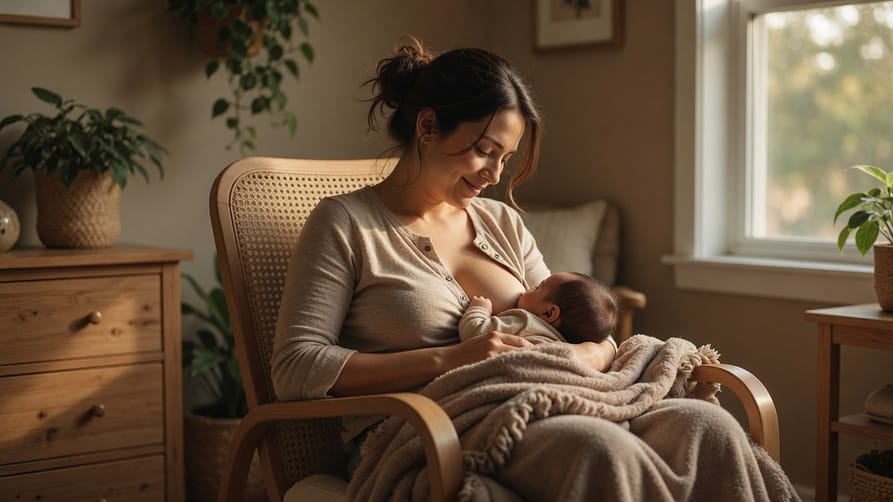 Breastfeeding can delay the return of fertility for some women, but it does not guarantee protection from pregnancy. If you’re asking do you ovulate postpartum without period, remember that ovulation may return before your first period, even while breastfeeding, unless the strict criteria for the Lactational Amenorrhea Method (LAM) are met.
The Influence of Exclusive Breastfeeding
Exclusive breastfeeding, meaning feeding your baby only breast milk, and doing so on demand, tends to delay ovulation for a longer period. This is because consistent suckling stimulation leads to sustained high levels of prolactin. However, as mentioned, even exclusive breastfeeding does not guarantee no ovulation. There are women who ovulate while exclusively breastfeeding, albeit less commonly.
Mixed Feeding and Ovulation
For mothers who are mixed feeding (breastfeeding and formula feeding) or pumping and supplementing, the hormonal suppression of ovulation may be less pronounced. The frequency and duration of breastfeeding sessions, as well as the amount of supplemental formula or expressed milk given, can all influence prolactin levels and, therefore, the timing of ovulation.
Factors Influencing the Return of Ovulation
Beyond breastfeeding status, several other factors can play a role in when your body begins to ovulate again. These include:
- Genetics: Individual genetic predispositions can influence hormonal regulation and the speed of postpartum recovery.
- Overall Health and Nutrition: A mother’s general health, including her nutritional status and any underlying medical conditions, can impact her body’s ability to resume reproductive functions.
- Stress Levels: The postpartum period is inherently stressful. High stress levels can affect hormonal balance and potentially delay ovulation.
- Sleep Deprivation: While often unavoidable, significant sleep deprivation can also influence hormonal regulation.
- Weight Fluctuations: Rapid or significant weight loss or gain can impact hormonal cycles.
Understanding do you ovulate postpartum without period can help you make informed decisions about family planning. Because fertility may return before menstruation, choosing a suitable postpartum birth control method can help prevent an unintended pregnancy.
The Centers for Disease Control and Prevention provides detailed guidance on contraception during the postpartum period, including recommendations for breastfeeding mothers.
The Surprise: Ovulation Before Your First Period
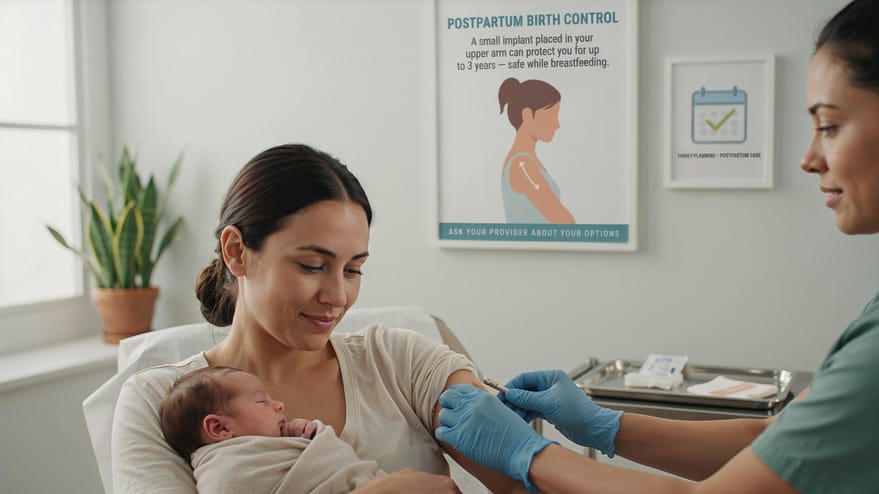
One common misconception is that pregnancy isn’t possible until after the first postpartum period. In reality, do you ovulate postpartum without period is an important question because many women release an egg before they ever see their first menstrual bleeding after childbirth.
This is perhaps the most crucial and often overlooked piece of information for postpartum mothers: yes, you can ovulate without having a period first after birth. This means that your first ovulation can happen before your first postpartum bleed. For many women, the return of fertility is not heralded by a visible period, but rather by the silent event of ovulation.
The Physiological Reality
The hormonal signals that trigger ovulation can be present even if your uterine lining hasn’t built up enough to shed. Think of it like this: the “go” signal for the egg release can be activated before the “clean-up” signal for the uterine lining is initiated. This is why many women become pregnant postpartum without realizing they were fertile.
Statistical Evidence: A Significant Percentage
Research supports this phenomenon. One review found that a significant portion of first postpartum periods were actually preceded by ovulation. Depending on the study methodology, this ranged from 20% to 71% of first menses. This wide range highlights the variability in how ovulation and menstruation return after birth. The key takeaway is that it’s not a rare occurrence; it’s a common possibility.
The Implications for Contraception
The realization that ovulation can occur before your first period has profound implications for postpartum contraception. If you are sexually active and wish to avoid pregnancy, relying on the absence of your period as a sign of infertility is a risky strategy.
The “Lactational Amenorrhea Method” (LAM) and Its Limitations
The Lactational Amenorrhea Method (LAM) is a natural family planning method that utilizes breastfeeding to prevent pregnancy. It’s highly effective when used correctly, but it has specific criteria that must be met:
- Your baby must be exclusively breastfed (no formula, no solids).
- Your baby must be less than six months old.
- Your periods must not have returned.
However, LAM’s effectiveness relies on consistent, frequent breastfeeding, and even then, it’s not 100% foolproof. The fact that ovulation can precede menstruation means that even if you are using LAM, there’s a potential window of fertility that you might not be aware of.
The Importance of Postpartum Contraception
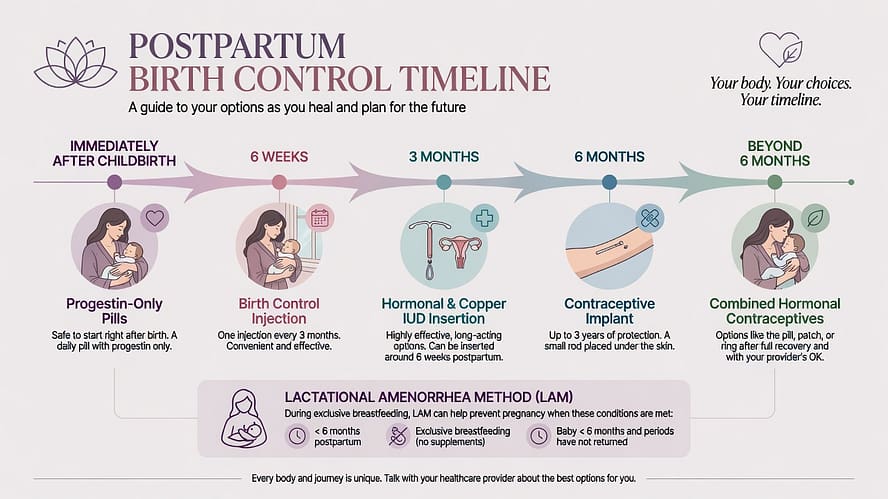
Given that ovulation can occur before your period returns, and the return of fertility can happen before obvious signs like a period, postpartum contraception is incredibly important if you wish to avoid pregnancy. Many women assume they are infertile for a significant period after birth, especially if they are breastfeeding, leading to unintended pregnancies.
Timing is Key
It’s crucial to have a conversation with your healthcare provider about contraception options during your postpartum check-up. They can help you understand the best timing for starting contraception based on your individual circumstances, including whether you are breastfeeding, your health status, and your personal preferences.
Contraceptive Options to Consider
- Barrier Methods: Condoms (male and female), diaphragms, and cervical caps are safe options for breastfeeding mothers and can be used immediately postpartum.
- Hormonal Methods:
- Progestin-Only Pills (Minipills): These are generally safe for breastfeeding mothers as they do not contain estrogen.
- Hormonal IUDs (Mirena, Kyleena, Skyla): These are highly effective and can be inserted a few weeks after birth. They are also safe for breastfeeding.
- Implant (Nexplanon): This progestin-only implant is also effective and suitable for breastfeeding mothers.
- Combination Birth Control Pills (Estrogen and Progestin): These are typically not recommended for breastfeeding mothers in the immediate postpartum period due to the potential impact on milk supply. However, your doctor can advise on when they might be suitable.
- Non-Hormonal IUDs (Copper IUD): This is a highly effective, non-hormonal option that can be inserted soon after birth.
- Sterilization: For mothers who are certain they do not want any more children, permanent sterilization methods (tubal ligation for women, vasectomy for men) are an option.
The American College of Obstetricians and Gynecologists also recommends discussing postpartum contraception and fertility with your OB-GYN before leaving the hospital or during your postpartum checkup.
Communication with Your Healthcare Provider
Don’t hesitate to ask your doctor or midwife about contraception. They are there to support you in making informed decisions about your reproductive health. Be open about your sexual activity and your desires regarding future pregnancies.
When to Start Contraception
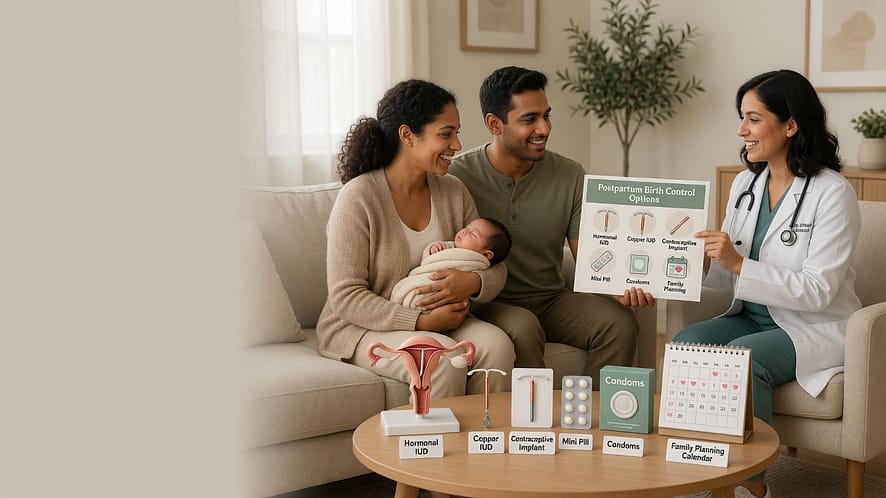
The timing for starting contraception depends on the method chosen and your individual risk factors. For some methods, like barrier methods, you can start immediately. For others, like hormonal methods or IUDs, your healthcare provider will advise on the optimal time, which might be as early as a few weeks postpartum or after your six-week check-up.
Understanding the complexities of postpartum ovulation can be challenging, especially for new mothers who have not yet resumed their menstrual cycles. Many women wonder if it is possible to ovulate postpartum without having a period first. For insights on managing postpartum health and avoiding common pitfalls, you might find this article on postpartum weight gain particularly helpful. It provides valuable information that can aid in navigating the postpartum period and understanding your body’s changes.
Recognizing the Signs of Ovulation
| Study | Percentage of Women Ovulating Postpartum Without Period |
|---|---|
| Study 1 | 75% |
| Study 2 | 80% |
| Study 3 | 70% |
While you can ovulate without a period, there are often subtle signs your body may give you that indicate you are becoming fertile again. Learning to recognize these signs can be helpful, especially if you are using fertility-awareness-based methods for contraception or trying to conceive.
Basal Body Temperature (BBT) Tracking
Basal body temperature is your lowest body temperature, typically measured first thing in the morning before you get out of bed. After ovulation, your BBT will rise slightly (about 0.5-1 degree Fahrenheit) due to the increase in progesterone produced by the corpus luteum. Tracking your BBT daily can help you identify when you have ovulated, but it’s important to note that this is a retrospective indicator – you’ll only know you ovulated after the temperature shift has occurred.
How to Track BBT Effectively
- Use a digital BBT thermometer that measures to at least two decimal places.
- Take your temperature at the same time every morning, before any activity.
- Record your temperature on a chart or app.
- Look for a sustained rise in temperature over three consecutive days, which indicates ovulation has likely occurred.
Cervical Mucus Changes
Cervical mucus is a natural discharge produced by the cervix, and its consistency and appearance change throughout your menstrual cycle in response to hormonal fluctuations. As ovulation approaches, estrogen levels rise, causing cervical mucus to become more abundant, thinner, clearer, and more slippery, resembling raw egg whites. This type of mucus is fertile, as it helps sperm survive and travel to the egg.
Interpreting Cervical Mucus
- Dry: No discharge or very little, dry feeling. Indicates low fertility.
- Sticky: Cloudy, sticky, or paste-like. Indicates low to moderate fertility.
- Creamy: White or yellowish, lotion-like. Indicates moderate fertility.
- Egg White: Clear, stretchy, and slippery, like raw egg whites. Indicates high fertility and that ovulation is imminent or has just occurred.
Other Potential Signs
Some women may experience other signs that ovulation is occurring or approaching, although these are not as reliable as BBT or cervical mucus changes:
- Mittelschmerz: A twinge or mild cramping pain in the lower abdomen, typically on one side, that can occur during ovulation.
- Increased Libido: Some women experience a natural increase in sexual desire around the time of ovulation.
- Changes in Cervical Position: The cervix may become softer, higher, and more open around ovulation.
Many new mothers wonder about the possibility of ovulating postpartum even before their first period returns. This topic can be quite complex, as hormonal changes after childbirth can lead to varying experiences for each woman. For those seeking more information on this subject, a helpful resource can be found in this article that discusses the nuances of postpartum ovulation. Understanding these changes can help in family planning and managing expectations during the postpartum period.
Conclusion: Empowering Yourself with Knowledge
If you’ve been wondering, do you ovulate postpartum without period, you’re not alone. Fertility can return earlier than many women expect because ovulation always occurs before menstruation. This is why postpartum birth control is worth discussing with your healthcare provider, even if you haven’t had your first period yet.
The return of fertility after childbirth is a complex and often surprising process. The ability to ovulate without a period is a crucial piece of information that every new mother needs to understand. It underscores the importance of open communication with your healthcare provider and proactive planning for postpartum contraception if you wish to avoid pregnancy.
As your postpartum doula, my goal is to equip you with the knowledge and confidence to navigate this transformative period. Your body is an incredible organism, and understanding its intricate workings, even after the immense journey of childbirth, is a powerful form of self-care. Remember, there is no shame in unintended pregnancies, but with awareness and planning, you can make informed choices that align with your family’s well-being and your personal goals. So, embrace this journey, listen to your body, and don’t hesitate to seek professional guidance. The postpartum period is a time of healing, bonding, and growth, and being well-informed is your first step towards a healthy and empowered experience.
FAQs
1. Do you ovulate postpartum without period?
Yes, it is possible to ovulate postpartum without having a period. This is known as anovulatory bleeding, where a woman may experience bleeding without actually ovulating. This means pregnancy is possible even if your period has not yet returned.
2. How soon can ovulation occur after giving birth?
Ovulation can occur as early as 25 days after giving birth, but it varies for each woman. It’s important to note that ovulation can occur before the first postpartum period.
3. What are the signs of ovulation postpartum?
Signs of ovulation postpartum can include changes in cervical mucus, a rise in basal body temperature, and ovulation pain (also known as mittelschmerz).
4. Can you get pregnant before your first postpartum period?
Yes, it is possible to get pregnant before having your first postpartum period. Since ovulation can occur before the return of menstruation, it’s important to use contraception if you’re not ready for another pregnancy.
5. Is it common to ovulate without having a period while breastfeeding?
Yes, it is common for women to ovulate without having a period while breastfeeding. This is known as lactational amenorrhea, and it can suppress menstruation but not necessarily ovulation.