 Skip to content
Ultimate Postpartum Recovery Blueprint: Speed Healing in 6–12 Weeks
November 16, 2025

Introduction
Just after the birth, you may feel overwhelmed by physical and emotional changes as you begin postpartum recovery;
This guide helps you understand common stages, set realistic goals, and spot warning signs so you can get the right care. For trusted medical details see Postpartum: Stages, Symptoms & Recovery Time to learn typical timelines and tips to support your healing.

Understanding Postpartum Recovery
Your postpartum recovery unfolds on multiple timelines: physical healing often takes six to eight weeks, while emotional shifts can last longer. Expect lochia (vaginal bleeding) to taper over about six weeks, breast changes in the first week, and significant sleep disruption that affects mood and concentration. Around 14% of birthing people develop postpartum depression, so plan follow-up care, accept help, and notify your provider early if symptoms worsen to prevent complications and speed recovery.
Physical Changes After Birth
After delivery you may have heavy bleeding for days that gradually lightens over six weeks, a shrinking uterus that returns toward its pre-pregnancy size by about six weeks, and soreness from perineal tears or a cesarean incision. Breast engorgement commonly peaks on days 2–5, and pelvic floor weakness can cause urinary leakage in roughly 30% of people. Gentle walking, prescribed pelvic-floor exercises, and the six-week check are typical parts of safe postpartum recovery.
Emotional Adjustments
You can expect a range of emotions: the baby blues—tearfulness and mood swings—affect up to 80% of new parents in the first two weeks, while 10–15% develop postpartum depression that lasts longer and impairs daily function. Notice if anxiety, persistent sadness, or trouble bonding appear; talk with your partner and healthcare team, track mood changes, and seek assessment before your six-week visit if symptoms intensify or don’t improve.
Because your hormones are shifting dramatically, mood swings or anxiety are very common. For practical tips on how to balance your hormones and regain emotional calm, check out our guide on How to Balance Hormones Postpartum
Look for signs such as ongoing low mood, panic attacks, changes in sleep or appetite, loss of interest in activities, or intrusive thoughts; these may emerge anytime in the first year. Practical steps include scheduling daily help, napping when the baby naps, joining a support group, and discussing therapy or medication with your clinician—many treatments are safe during breastfeeding. If you experience thoughts of harming yourself or your baby, contact emergency services or a crisis line immediately.

The Importance of Self-Care
During postpartum recovery you heal faster when you treat self-care as part of medical care, not a luxury. Prioritize wound care, pelvic floor exercises, and mental health check-ins; schedule your six-week follow-up and report any pain or heavy bleeding. Ask for help with meals, laundry, or night feeds so you can rest and avoid burnout. Small daily routines—short walks, focused breathing, or five minutes of stretching—build stamina and support recovery.
Nutrition and Hydration
For postpartum recovery, aim for balanced meals and steady fluids: breastfeeding typically requires about 450–500 extra calories per day. Choose 20–30 g protein per meal—eggs, beans, or Greek yogurt—and iron-rich foods like lean beef or spinach paired with vitamin C to boost absorption. Pack easy snacks (nuts, cheese sticks) and consider meal prep or grocery delivery to save energy.
Rest and Sleep Strategies
Sleep patterns shift after birth, so focus on total sleep rather than expecting long uninterrupted nights; many new parents lose 1–2 hours nightly but should aim for an aggregated 7+ hours. Nap when the baby naps, use short 20–90 minute naps, and rotate night duties with your partner to reduce fragmentation. Make the bedroom dark and cool, limit screens before bed, and use white noise to help you fall back asleep faster.
Adopt concrete tactics: try partner splits (for example, you handle 10pm–2am, they take 2–6am) or pump to allow bottle nights a few times weekly. Trial a “dream feed” at 10–11pm to extend sleep stretches. Track caffeine intake—stop after early afternoon—and aim for three 30-minute naps if nights are broken. If insomnia or excessive daytime sleepiness lasts beyond two weeks, contact your clinician for evaluation and support.
Physical Recovery and Rehabilitation
Expect a staged healing process during postpartum recovery: perineal stitches often dissolve in 1–2 weeks, C-section incisions feel tender for 4–6 weeks, and many people regain basic energy by 6–12 weeks. You should track bleeding, pain, and mobility and attend the 6-week follow-up to assess wounds, uterine involution, and pelvic floor function. Ask for a referral to pelvic floor physical therapy if you have incontinence, pain with sex, or a visible abdominal bulge after a few weeks.
If you notice leakage when you cough or laugh, pelvic floor weakness may be at play — you’re not alone. Our Postpartum Incontinence article outlines how long this might last and when to seek help.
Managing Pain and Discomfort
You can ease pain using prescribed or over-the-counter meds as directed, plus non-drug measures like ice packs for swelling, sitz baths for perineal soreness, and a donut pillow for sitting. Change pads frequently and use loose clothing to reduce friction. If breastfeeding, consult your provider about medication safety. Seek care if you have fever, heavy bleeding (soaking a pad hourly), increasing pain, or new redness at an incision site.
See How to manage Postpartum Hemorrhoids for more helpful tips and tricks.
Exercise and Fitness Postpartum
Begin with gentle movement: short walks of 10–15 minutes several times daily and pelvic floor contractions (3 sets of 10 slow holds plus 10 quick squeezes) to rebuild muscle control. Most providers clear you for moderate exercise by the 6-week visit if healing is on track. Aim gradually toward 150 minutes per week of moderate activity and include two strength sessions weekly, increasing intensity only as your pain and leakage improve.
Progress your workouts by focusing on core stability and glute strength before high-impact moves. Try diaphragmatic breathing, pelvic tilts, heel slides, and bridge lifts to engage deep core muscles and close diastasis recti safely; avoid traditional crunches until a therapist confirms closure. Track symptoms: increased urine leakage, bulging along the midline, or pelvic pain are signs to slow down and consult a pelvic floor specialist for tailored rehabilitation.
Mental Health and Emotional Support
Your mood and emotions are part of postpartum recovery, and they can shift quickly. Up to 80% of people have “baby blues” in the first two weeks, while about 1 in 7 experience postpartum depression. Notice changes in sleep, appetite, energy, or how you connect with your baby; these signal you need more support. Talk with your partner, a trusted friend, or a clinician and accept practical help with baby care and sleep so you can rest and stabilize.
Identifying Common Postpartum Conditions
Baby blues usually peak in days 3–5 and ease within two weeks. Postpartum depression (about 1 in 7) brings persistent low mood, guilt, or loss of interest beyond two weeks. Anxiety and panic can cause racing thoughts, constant worry, or trouble breathing; postpartum OCD may include intrusive thoughts. Postpartum psychosis is rare (roughly 1–2 per 1,000) and involves hallucinations or confusion—seek immediate care if that happens.
Seeking Professional Help
If symptoms last more than two weeks, worsen, or include thoughts of harming yourself or your baby, contact your clinician or emergency services right away. Primary care, your OB/GYN, therapists, or psychiatrists can screen you—common tools include the Edinburgh Postnatal Depression Scale (EPDS). You can access telehealth, community mental health, or support groups; getting assessed early speeds recovery and keeps you and your baby safe.
At a first visit you should expect a short screening, questions about sleep, mood, feeding, and any thoughts of harm. Treatment options include therapy (CBT or interpersonal therapy) and, when needed, antidepressants like SSRIs that often improve symptoms in 2–6 weeks; many are compatible with breastfeeding after discussion with your provider. Ask about local support groups, home-visiting programs, or Postpartum Support International resources, and call 988 if you have suicidal thoughts.
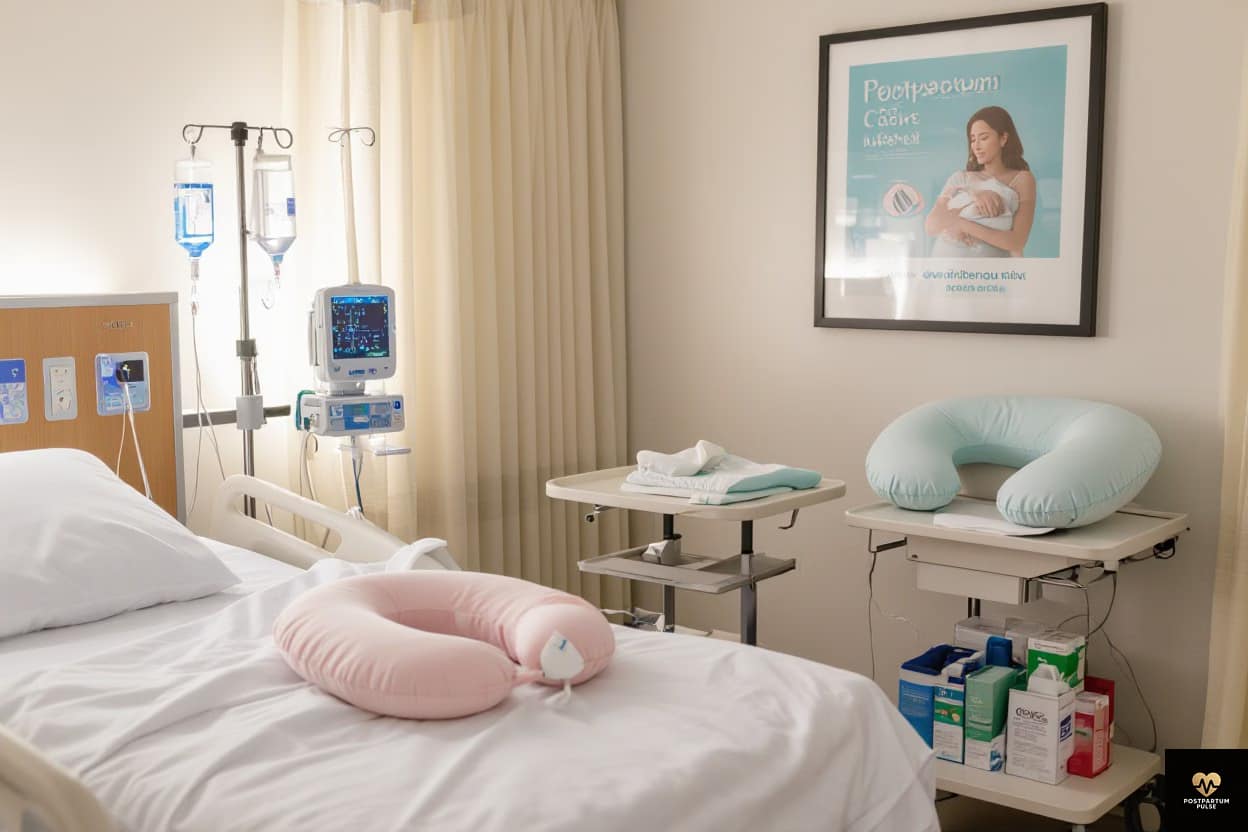
Support Systems and Resources
Tap a mix of practical help and professional resources to speed postpartum recovery: arrange meal trains, hire a postpartum doula for 2–10 hours a week, book a lactation consultant for a 1–2 hour consult, and use local programs like WIC or Postpartum Support International for referrals. One in seven people face postpartum mood disorders, so pair hands-on help with medical checkups at 2 and 6 weeks and a clear plan for emergency care if symptoms worsen.
Role of Family and Friends
You can assign clear tasks so help feels manageable: one person handles two evening feeds per week, another brings frozen meals for five days, and a friend takes the baby for a 30-minute walk so you nap. Set boundaries by specifying visiting windows and hygiene needs, and ask for concrete support—laundry, bottle prep, or a single 90-minute break—rather than vague offers that leave you doing the planning.
Community and Online Support Groups
You should join moderated groups that match your needs—breastfeeding help, C-section recovery, or mood support—and aim for local meetups of 6–12 parents or online forums with 24/7 moderation. Look to organizations like La Leche League or Postpartum Support International for vetted contacts; weekly check-ins, peer mentors, and topic-based threads can reduce isolation and connect you to providers quickly.
When choosing a group, check moderation, privacy settings, and referral practices: prefer groups that require admin approval, post community rules, and share local therapist or doula lists. Expect weekly or biweekly meetups, clear trigger warnings on sensitive topics, and member roles like peer mentor or facilitator; use video meetups for convenience and private messages for personal questions, and verify medical advice with your care team before acting.
Preparing for Future Pregnancies
Plan future pregnancies around healing and goals: the WHO suggests waiting about 24 months after a live birth to lower risks for you and your baby. At your 6‑week postpartum visit, review contraception, iron status, and mental health. Start folic acid 400–800 µg before conception, continue pelvic floor rehab as needed, and discuss any prior complications. See evidence-based timing and steps in Maximizing Recovery in the Postpartum Period: A Timeline.
Understanding Your Body’s Signals
Watch bleeding, pain, energy and mood as part of postpartum recovery. If you soak a pad in an hour, have fever over 38°C (100.4°F), worsening pain, or breathlessness, get medical care. If low mood, anxiety, or lack of interest lasts more than two weeks or stops you from daily tasks, contact your provider. Track symptoms and note patterns to guide follow-up and treatment.
Planning for Subsequent Births
Review your delivery details with your clinician: cesarean type, significant hemorrhage, preeclampsia, or birth injury affect options. You should optimize iron, update vaccines, and discuss VBAC versus repeat cesarean. Arrange preconception counseling at least three months before trying again to adjust medications, weight, and supplements.
If you lost more than 1000 mL blood during delivery, check hemoglobin and iron stores—repletion often takes 3–6 months before conceiving. For prior cesarean births, discuss scar healing and possible imaging to assess integrity. Also plan pelvic floor therapy (many see gains after 6–12 sessions over 8–12 weeks) and a tailored monitoring plan if you had hypertensive disorders or other complications.
Summing up
Considering all points, you should give yourself time to heal during postpartum recovery, accept support, rest, eat well, and gradually return to activity; contact your provider about pain, heavy bleeding, or lasting low mood so your recovery stays safe and steady.
FAQ
Q: What is postpartum recovery and how long does it usually take?
A: Postpartum recovery is the body and mind healing after childbirth. In the first 2 weeks you will feel the most change—bleeding, soreness, and tiredness. Most people feel much better by 6 weeks, but full recovery for the uterus, hormones, and pelvic floor can take 3 to 12 months. If pain or heavy bleeding does not improve, contact your provider.
Q: What physical symptoms are normal during postpartum recovery and how can I ease them?
A: Normal symptoms include vaginal bleeding (lochia), afterpains, swollen breasts, sore perineum, and fatigue. Ease these by resting when you can, using cold packs for swelling, warm baths for cramps, pain medicine as advised, using a peri bottle and pads, and wearing supportive bras. Avoid heavy lifting and give your body time to heal.
Q: I feel very emotional and tired. How do I tell if this is part of postpartum recovery or something more?
A: Many people have mood swings, tearfulness, and low energy in the first 1–2 weeks (baby blues). If sadness, anxiety, or hopeless feelings last longer than 2 weeks, or if you have trouble caring for yourself or the baby, get help. If you have thoughts of harming yourself or the baby, seek emergency care right away. Talk to your provider about therapy, support groups, or medications.
Q: When can I safely return to exercise and normal activity during postpartum recovery?
A: Start with gentle walking and pelvic floor contractions soon after birth. Avoid intense workouts, heavy lifting, or high-impact sports until your provider clears you—often around 6 weeks for uncomplicated births. If you had a C-section, follow wound-care steps and wait longer for core exercises. If you have urine leakage, heaviness, or pelvic pain, see a pelvic floor specialist before increasing activity.
Q: How does postpartum recovery affect breastfeeding and sexual activity?
A: Breastfeeding can begin right away and may cause engorgement, leaking, or sore nipples at first; a lactation consultant can help with latch and comfort. For sex, most providers advise waiting until bleeding slows and you feel ready—commonly 4–6 weeks—and use condoms if you’re not ready for pregnancy. Vaginal dryness and low desire are common; gentle sex, lubrication, and open talk with your partner help. If pain or bleeding occurs during sex, check with your provider.
Key Takeaways
- Postpartum recovery varies: many improve by 6 weeks, full healing can take months.
- Common signs include bleeding, cramps, breast changes, soreness, and fatigue; rest and simple self-care help.
- Mood changes are normal early on; seek help if low mood or worry lasts over 2 weeks or you have harmful thoughts.
- Start gentle movement first; get medical clearance before returning to intense exercise, especially after C-section.
- Breastfeeding and sex can change during postpartum recovery; get lactation or medical support for problems.