 Skip to content
Postpartum Hemorrhoids: 6 Empowering Essential Tips for Recovery and Relief
January 8, 2025

Key Takeaways
- Eat high-fiber foods like legumes, whole grains, and fruits to soften stools and prevent constipation.
- Take warm sitz baths several times a day to relieve discomfort and reduce inflammation.
- Apply topical treatments such as witch hazel or creams with lidocaine or hydrocortisone for fast symptom relief.
- Drink plenty of water, especially if breastfeeding, to stay hydrated and support digestion.
Sitz Baths for Pain Relief and Inflammation Reduction
Sitz baths are a simple and effective way to provide pain relief and reduce inflammation after childbirth. Sitting in warm water can soothe anal discomfort, especially from postpartum hemorrhoids. This practice aids in postpartum recovery and supports pelvic health.
To take a sitz bath, fill a basin with warm (not hot) water. You can use a bathtub or a special sitz bath that fits over the toilet. Soak for 10 to 15 minutes, two to three times a day. This warm water therapy relaxes muscles and reduces swelling, making it an significant part of your self-care routine.
Here are some tips to improve your sitz baths:
- Use warm water: It relaxes muscles and boosts blood flow.
- Add Epsom salts: They improve soothing effects and help with inflammation relief.
- Stay clean: Gently pat the area dry with a soft towel after the bath to maintain good hygiene.
Consider adding natural remedies like witch hazel to your sitz baths for extra relief. It can help reduce irritation and promote healing. Always listen to your body and adjust the water temperature to what feels best for you.
If you experience severe symptoms, consult a healthcare provider for further treatments and support. You can find more information about postpartum care options that may be helpful.
Incorporating sitz baths into your recovery routine can provide significant comfort and support. They are a natural way to manage discomfort and promote healing during the postpartum period. By taking care of yourself, you can accept your new role as a parent with less pain and more comfort.
Use of Witch Hazel and Aloe Vera for Soothing Symptoms
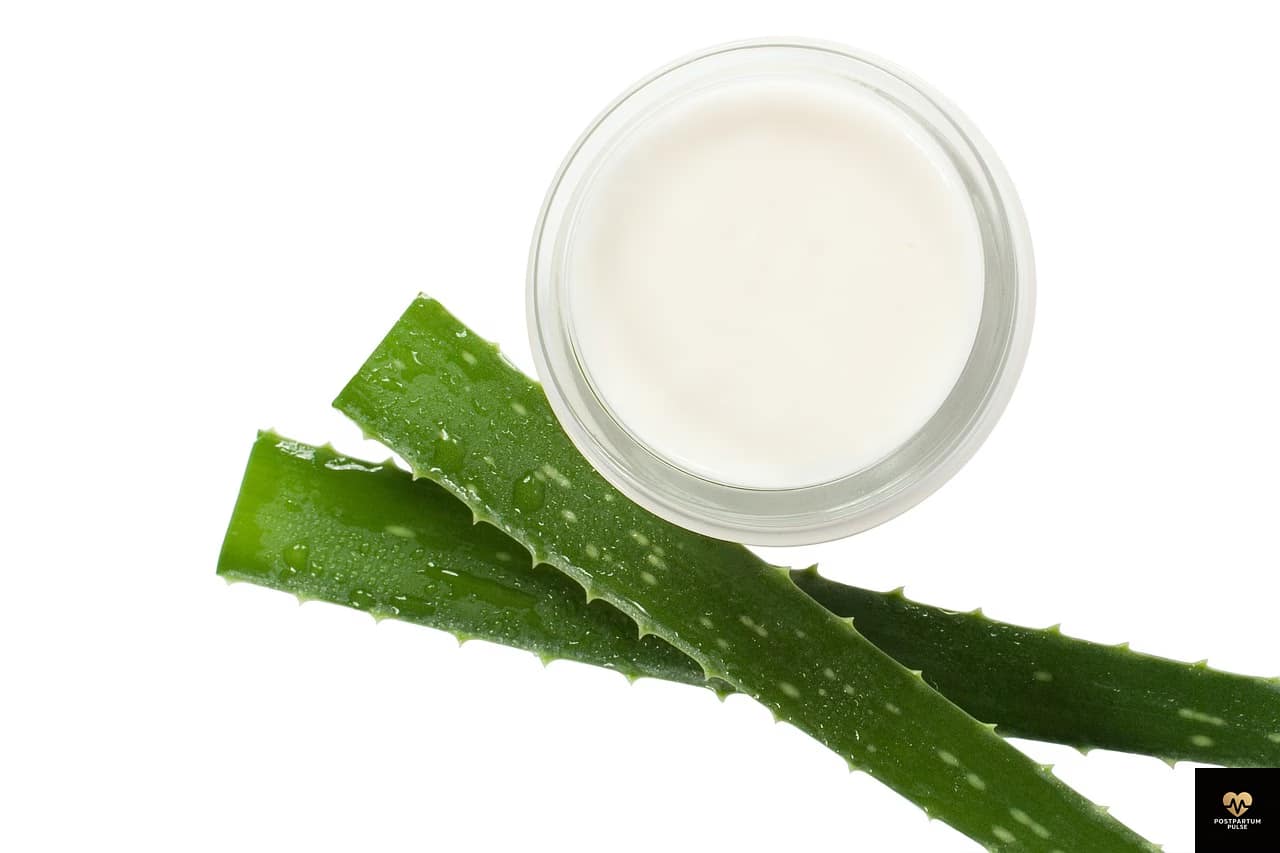
Using Witch Hazel and Aloe Vera effectively soothes postpartum hemorrhoids. These natural remedies provide anti-inflammatory and skin-soothing benefits, perfect for postpartum care.
Witch Hazel is a natural astringent that reduces swelling and offers a cooling effect. For added relief, refrigerate it before use. Apply a small amount with a cotton ball directly to the hemorrhoids to ease itching and inflammation.
Aloe Vera promotes wound healing and keeps the skin damp. Apply Aloe Vera gel directly to the affected area for soothing relief and hydration after cleaning.
- Witch Hazel: Use a cotton ball to reduce swelling and itching.
- Aloe Vera: Apply gel for moisture and soothing relief.
For better results, combine both remedies. Soak a cotton pad in Witch Hazel, then apply Aloe Vera gel. This mixture effectively eases postpartum discomfort.
Using Witch Hazel and Aloe Vera can remarkably relieve symptoms of postpartum hemorrhoids. These simple treatments are ideal for a whole health approach to postpartum recovery.
| Natural Remedy | Benefits |
|---|---|
| Witch Hazel | Reduces swelling, soothes itching |
| Aloe Vera | Moisturizes, promotes wound healing |
Application of Ice Packs for External Hemorrhoids Relief
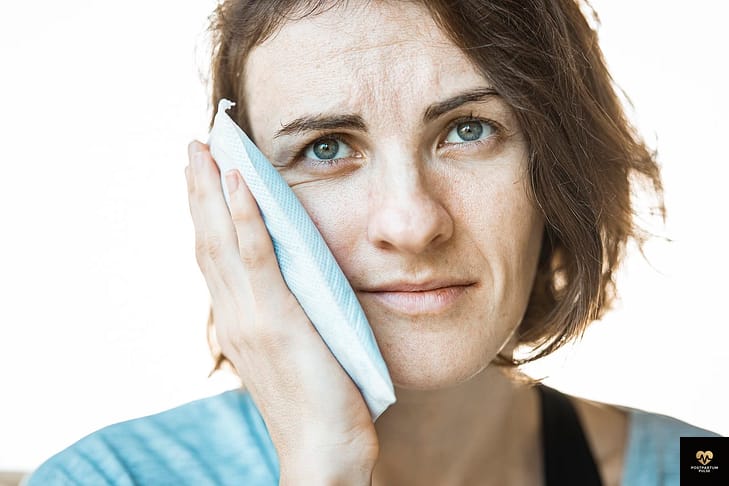
Using ice packs effectively relieves external hemorrhoids, especially during postpartum recovery. This simple treatment provides soothing relief by reducing pain and swelling.
Ice packs numb the area, easing anal discomfort. Cold therapy constricts blood vessels, decreasing inflammation. Follow these steps for effective use:
- Wrap the Ice Pack: Always wrap the ice pack in a thin towel or cloth to protect your skin from frostbite.
- Application Time: Apply the wrapped ice pack to the affected area for 15 to 20 minutes. Repeat several times a day, especially after bowel movements.
- Monitor the Skin: Check the skin under the ice pack regularly. If it turns red or feels numb, remove the pack to prevent damage.
Ice therapy is just one part of hemorrhoid management. Combining it with other treatments like sitz baths, witch hazel, or topical creams can improve recovery. Consider these additional comfort measures:
- Sitz Baths: A warm sitz bath soothes the area and promotes healing.
- Witch Hazel: Applying witch hazel reduces swelling and adds cooling relief.
- Hydration and Fiber: Drink plenty of water and eat fiber-rich foods to prevent constipation, reducing pressure on hemorrhoids.
Ice packs are a valuable tool for postpartum care, offering significant swelling reduction and therapeutic cooling for those with external hemorrhoids. Incorporating ice therapy into your routine can greatly improve comfort during this challenging time.
Over-the-Counter Medications for Postpartum Hemorrhoids
Managing postpartum hemorrhoids can be challenging, but effective over-the-counter medications are available to provide pain relief and reduce inflammation. Here are some common options:
- Topical ointments: Creams like Preparation H soothe the area and decrease swelling.
- Witch hazel: Available in pads or liquid, it cools and calms irritation.
- Hydrocortisone cream: This cream alleviates itching and inflammation for quick relief.
- Stool softeners: They ease bowel movements, preventing straining that can worsen hemorrhoids.
- Fiber supplements: These help keep stools soft and regular, avoiding constipation.
- Sitz baths: Soaking in warm water provides comfort and reduces swelling.
- Rectal suppositories: These deliver medication directly to the affected area for fast relief.
- Analgesics: Over-the-counter pain relievers like ibuprofen help manage discomfort.
Start with these treatment options to ease symptoms. Always consult a healthcare provider for personalized medical advice to find the best plan for your needs.
Besides medications, focus on self-care. Eating a high-fiber diet, drinking plenty of water, and staying active improve pelvic health and aid recovery. These lifestyle changes can help prevent future postpartum hemorrhoids.
Combining over-the-counter medications with healthy habits effectively manages symptoms and supports in general health and wellness during the postpartum period.
Natural Remedies: Epsom Salts and Coconut Oil Benefits
Natural remedies like Epsom salts and coconut oil are excellent for postpartum care, especially for easing hemorrhoids. These remedies are easy to use and provide comfort during recovery.
Epsom salts contain magnesium sulfate, which helps reduce swelling and pain. To soothe the area, take a warm sitz bath with Epsom salts. Simply add 1/4 to 1/2 cup of Epsom salts to warm water and soak for 10-15 minutes several times a day.
Coconut oil is another powerful remedy. Its anti-inflammatory properties promote skin healing. Apply coconut oil directly to the affected area to relieve itching and irritation. You can also add it to a warm bath for extra comfort.
- Soothing baths: Warm sitz baths with Epsom salts ease pain and inflammation.
- Topical applications: Coconut oil applied directly helps with itching.
- Natural skincare: Both remedies are safe and effective for postpartum recovery.
Mixing Epsom salts with necessary oils like eucalyptus or peppermint can further reduce irritation and improve relaxation. This combination is a wonderful way to practice self-care during recovery.
| Natural Remedy | Benefits |
|---|---|
| Epsom Salts | Reduces swelling and pain; promotes relaxation. |
| Coconut Oil | Soothes irritation; aids in skin healing. |
Stool Softeners for Easier Bowel Movements
Stool softeners are necessary for new mothers in the postpartum period. They make bowel movements easier, especially when dealing with painful hemorrhoids. Using stool softeners can effectively manage this discomfort.
Why Use Stool Softeners? After childbirth, many women face constipation because of hormonal changes, pain medications, or iron supplements. Iron, often prescribed post-delivery, can lead to harder stools. Stool softeners help keep stools soft and easy to pass.
Here are effective ways to use stool softeners:
- Increase Fiber Intake: Eat more fruits, vegetables, and whole grains. Foods like beans, berries, and oats add bulk to your stool.
- Stay Hydrated: Drink plenty of water to keep stools soft. Aim for at least eight cups a day.
- Consider Over-the-Counter Remedies: If fiber and hydration aren’t enough, talk to a healthcare provider about stool softeners or laxatives.
- Practice Good Bathroom Habits: Go when you feel the urge. Waiting can make stools harder.
These tips can improve bowel health and reduce rectal discomfort. Gentle pelvic floor exercises also support digestive wellness.
Natural Remedies: Natural options like prunes and figs can help soften stools. Probiotics promote a healthy gut, aiding bowel movements.
If you experience severe pain or bleeding during bowel movements, consult a healthcare provider for the best treatment options. For more information on postpartum hemorrhoids, visit this link.
Taking care of your digestive health is critical during postpartum recovery. By using stool softeners and focusing on a high-fiber diet, you can make sure easier bowel movements and better in general wellness.
Frequently Asked Questions
Can dietary changes help ease postpartum hemorrhoids symptoms?
Yes, dietary changes like increasing fiber and water intake can soften stools, easing postpartum hemorrhoid symptoms.
How long does it take for postpartum hemorrhoids to heal?
Postpartum hemorrhoids usually heal within a few days to a couple of weeks, but it can vary based on individual circumstances.
What are the best home remedies for postpartum hemorrhoids relief?
Try warm baths, fiber-rich foods, plenty of water, and stool softeners for soothing postpartum hemorrhoids. Gentle care goes a long way!
What does a stage 4 hemorrhoid look like?
Stage 4 hemorrhoids are swollen, protruding, and may be painful. They often remain outside the anal canal and can bleed.
Related Articles:
You may also be interested in
1. 5 Warning Signs of Postpartum Eclampsia Every New Mom Should Know
2. Top 10 Powerful Postpartum Workouts to Help You Strengthen and Restore Your Body