 Skip to content
Essential Perineal Care and Pain Relief After a Vaginal Birth
February 1, 2026

Table of Contents
- Finding Immediate Postpartum Pain Management and Comfort
- Essential Hygiene and Soothing Techniques
- Managing Pain with Medication
- Gentle Bowel Movements: Essential Postpartum Care
- Understanding Your Healing Timeline and Perineal Repair
- Activity Restrictions and Gradual Return to Movement
- Knowing When to Call Your Doctor: Signs of Complications
- Essential Perineal Care Strategies for Soothing Relief
- Gentle Strategies for Postpartum Pain Management
- Foundational Healing Practices and Recovery Timelines
- Critical Step: Preventing Constipation and Straining
- When to Call Your Doctor: Monitoring for Complications
- Understanding Healing Timelines for Lacerations and Episiotomies
- Preventing Straining and Constipation
- Your Safety Net: When to Contact Your Healthcare Provider
- Soothing Your Perineum: Topical Comfort Measures for Postpartum Pain Management
- Comprehensive Postpartum Pain Management Strategies
- Understanding Your Perineal Tear Healing Timeline
- Rest and Movement: Supporting Your Postpartum Recovery
- Frequently Asked Questions About Perineal Healing and Postpartum Care
Dearest new mother, we know that while your heart is overflowing with love for your baby, your body is also navigating a profound period of recovery. Following a vaginal delivery recovery, it is completely normal and expected to experience discomfort, pain, and swelling in the perineal area, especially if you had a perineal tear healing or an episiotomy care procedure. Please be gentle with yourself. This guide is here to provide you with supportive, evidence-based instructions on managing this crucial part of your postpartum care journey.
Healing takes time, but there are many simple, effective strategies you can use immediately to find relief and promote swift perineal repair. Remember, you do not have to endure this pain alone. We will walk through essential hygiene practices, effective postpartum pain management techniques, and crucial signs of complications, all based on guidance from trusted medical sources like the American College of Obstetricians and Gynecologists (ACOG).
Finding Immediate Postpartum Pain Management and Comfort
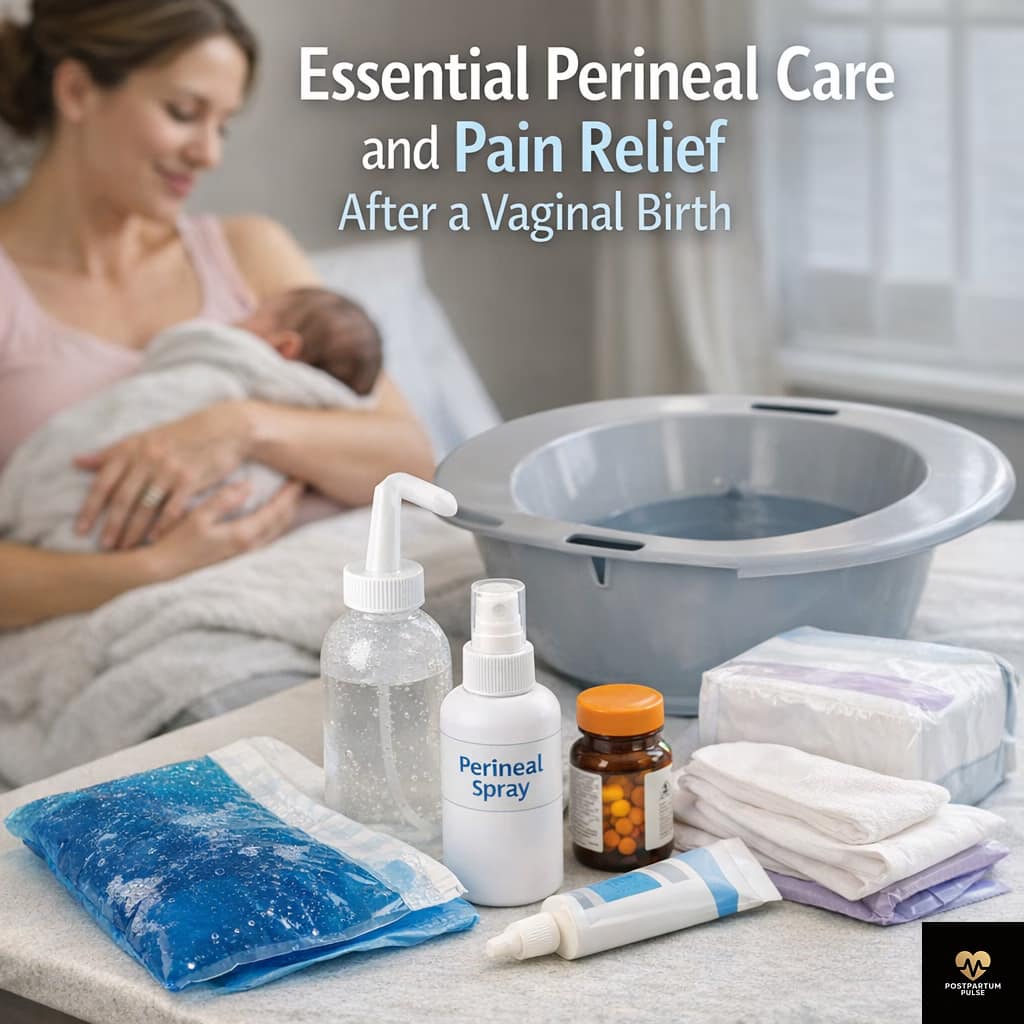
The first few days after birth often involve the most intense pain and swelling. Our focus right now is on maximizing your comfort while promoting the healing of your perineum.
One of the most effective immediate steps is the use of therapeutic cold. Applying cold compresses or ice packs wrapped in a cloth to the perineal area for 10 to 20 minutes at a time can significantly reduce swelling and numb the pain. This is a foundational step in your postpartum pain management plan.
Many mothers find great relief using specialized topical products. Products like witch hazel pads (often known by the brand Tucks pads) are wonderful for their soothing, anti-inflammatory properties. You can layer these gentle pads directly onto your sanitary pad for continuous comfort.
Additionally, a topical anesthetic spray, such as Dermoplast spray (or similar products like Dermaplast/Epifoam), can provide temporary relief from surface pain. Always follow the instructions provided by your clinician or the product label when using these sprays.
Essential Hygiene and Soothing Techniques
Keeping the area clean is vital for perineal tear healing and preventing infection. However, wiping should be avoided initially.
After using the restroom, gently cleanse the area using a peri-bottle filled with warm water. Spray the water over the perineum from front to back to rinse away urine and discharge. Gently pat the area dry with clean toilet paper or a soft towel afterward.
A warm Sitz bath can be incredibly restorative. Sitting in shallow, warm water for 15 to 20 minutes a few times a day can boost circulation and soothe discomfort associated with relieve discomfort associated with episiotomy care or hemorrhoids. Ensure the tub is clean before use.
When selecting pads, use large maternity pads designed for postpartum bleeding. Avoid using tampons or inserting anything into the vagina until you have been cleared by your ob-gyn, usually at your six-week follow-up appointment.
Managing Pain with Medication
Effective postpartum pain management often requires the use of medication, and this is perfectly okay. Over-the-counter anti-inflammatory medication, such as Ibuprofen (Motrin) or Naproxen, is typically the first line of defense recommended by the American College of Obstetricians and Gynecologists (ACOG).
These anti-inflammatory medications help reduce both pain and swelling. If you are breastfeeding, rest assured that these medications are generally considered safe, but you should always confirm proper dosage and usage with your healthcare provider.
If your pain is severe, your doctor may prescribe stronger narcotic pain medication. Use these only as directed, and remember that they can sometimes contribute to constipation, which we will address next.
Gentle Bowel Movements: Essential Postpartum Care
One of the biggest worries after a vaginal delivery recovery is the fear of having a bowel movement, especially with stitches dissolve or an episiotomy. Straining can put pressure on your stitches and increase pain.
To prevent hard stools, it is crucial to focus on diet and hydration. Increase your intake of high-fiber foods and drink plenty of fluids.
Your doctor will almost certainly recommend a stool softener immediately after birth. Taking a gentle stool softener or a fiber supplement daily will help ensure your bowel movements are soft and easy to pass. Do not push or strain; let gravity and the medication do the work.
Activity Restrictions and Gradual Return to Movement
During this fourth trimester, rest is non-negotiable. While light activity, such as short walks, is encouraged to promote circulation and healing, strenuous activities must be avoided.
Please follow your postpartum instructions carefully regarding activity restrictions. You should avoid heavy lifting and vigorous exercise until you have been cleared by your clinician, typically at your six-week follow-up appointment. This also applies to sexual intercourse.
Giving your body this time to recover is just as important as the immediate care you provide.
Knowing When to Call Your Doctor: Signs of Complications
While discomfort is normal, certain symptoms indicate a need for immediate medical attention. It is empowering to know the signs so you can act quickly if necessary, as advised by organizations like the American College of Obstetricians and Gynecologists (ACOG).
Contact your ob-gyn or find a doctor immediately if you experience any of the following:
-
- Heavy vaginal bleeding: Soaking through more than one large sanitary pad in an hour, or passing clots larger than a golf ball.
- Fever: A temperature over 100.5°F (38°C), which can be a sign of infection.
- Worsening Pain: Increased pain in the perineum that is not relieved by pain medication, especially after the first few days.
- Signs of infection: Foul odor, unusual or pus-like vaginal discharge, or redness and warmth spreading from the wound site.
If you have concerns about your recovery, whether physical or emotional, please reach out to your care team at Kaiser Permanente, Williamsburg Gynecology, or whatever provider guides your care. You deserve support during every step of this journey.
Expert Insight
“Overall, the evidence suggests that aerobic and strength conditioning exercises should be encouraged before, during, and after pregnancy.”, Meredith L. Birsner, MD, Lead Author of ACOG Committee Opinion 804
Essential Perineal Care Strategies for Soothing Relief
Dearest mother, taking gentle care of your perineum (the sacred space between your vagina and rectum) is foundational to your postpartum recovery. Our goal, supported by guidance from leading experts like Kaiser Permanente and resources such as the Government of Alberta Personal Health Portal, MyHealth.Alberta.ca, is to help you minimize pain and swelling, keep the area clean, and promote optimal healing.
You deserve every bit of comfort right now. Please know that managing the pain and discomfort effectively is a huge step toward feeling more like yourself.
Applying Cooling Comfort: Cold Compresses and Pads
One of the most immediate and effective methods for postpartum pain management is cold therapy. We highly recommend using cold compresses or ice packs wrapped in a soft cloth.
Applying these to the perineal area for 10 to 20 minutes at a time is particularly beneficial in the first 24 to 72 hours following your vaginal delivery recovery. This immediate cooling helps significantly reduce initial inflammation and discomfort.
Many mothers also find immense relief using specialized cooling pads or witch hazel pads (sometimes known as Tucks pads). Witch hazel is a gentle astringent that can soothe the burning and swelling associated with perineal tear healing and hemorrhoids.
The Gentle Relief of the Sitz Bath
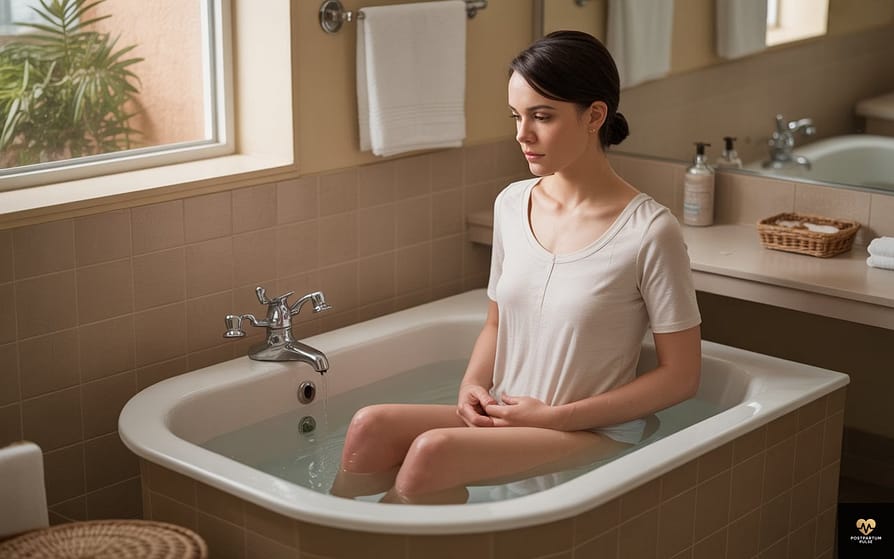
The sitz bath is a wonderful tool for promoting healing and easing postpartum pain and swelling. This involves sitting in a shallow bath of warm water that covers only your hips and buttocks.
You can enjoy this warm soak several times a day for 15 to 20 minutes. The warm water helps to increase blood flow to the perineal area, which promotes healing and provides incredible relief from pressure and soreness.
Always ensure your tub or basin is thoroughly clean before use, and avoid harsh soaps or bubble bath products that might irritate tender skin or stitches.
Proper Perineal Hygiene and Rinsing
Maintaining excellent perineal hygiene is vital for preventing infection, especially if you have stitches from an episiotomy care procedure or a perineal tear healing.
After using the bathroom, whether for urination or a bowel movement, you should gently rinse the area. Use a peri-bottle filled with warm water, squirting from front to back to cleanse the area without the need for harsh wiping.
Gently pat the area dry afterward with clean tissue or a soft, clean towel. Remember to change your sanitary pads frequently, as heavy vaginal bleeding or discharge (lochia) can create an environment where bacteria thrive.
Please use pads only, do not use tampons for the first six weeks postpartum, as they can introduce infection.
Recognizing Signs of Complications and Infection
While most postpartum pain management is straightforward, it is vital to monitor for signs of complications that require immediate medical attention. We want you to feel empowered to find a doctor or contact your clinician if anything feels wrong.
Signs of infection in the perineal area include fever over 100.5°F, foul odor or pus drainage from the wound, or significantly increased pain that is not relieved by medication.
You must also monitor heavy vaginal bleeding. If you are soaking through more than one sanitary pad in less than an hour, or if you pass large clots (bigger than a golf ball), this is a sign of postpartum hemorrhage and requires immediate emergency medical care.
Always trust your instincts. If you are concerned about your vaginal discharge, pain level, or any other aspect of your recovery, please schedule a follow-up appointment or call your ob-gyn.
Expert Insight
“Clinical evidence indicates that cold sitz baths are significantly more effective than warm baths for immediate postpartum perineal pain relief, with the greatest analgesic effect experienced right after application, making cold therapy critical in the first 72 hours.”, Maternity Care Specialists
Gentle Strategies for Postpartum Pain Management
Having a clear plan for postpartum pain management is essential for your comfort, whether the discomfort stems from a perineal repair, episiotomy care, or general soreness. We know this recovery takes time, and you deserve to feel supported.
We encourage you to discuss specific postpartum instructions with your ob-gyn or healthcare provider. Typically, managing pain and swelling involves a supportive combination of topical relief, oral medication, and foundational care.
Expert Insight
“In the absence of obstetric or medical complications, physical activity in pregnancy is safe and desirable, and pregnant women should be encouraged to continue or initiate safe physical activities after a thorough clinical evaluation.”, Obstetric Care Provider
Your Safety Net: When to Contact Your Healthcare Provider
As you focus intensely on your perineal tear healing and gentle postpartum pain management, please know that we are here to support your safety, too. While discomfort is a normal, expected part of vaginal delivery recovery, certain symptoms require immediate consultation with your healthcare provider or ob-gyn.
Knowing the signs of infection or potential complications, such as postpartum hemorrhage, is a vital part of postpartum care. These guidelines are consistently reinforced by major health organizations like the American College of Obstetricians and Gynecologists (ACOG) and Kaiser Permanente:
-
- Excessive Bleeding: If you experience truly heavy vaginal bleeding (defined as soaking through one or more sanitary pads in less than an hour) or if you pass large clots (those larger than a golf ball), please seek emergency care immediately. This is a crucial sign of potential postpartum hemorrhage.
-
- Fever: A temperature over 100.5°F (38°C) is a serious sign that your body may be fighting an infection and requires prompt attention.
-
- Increased Pain: While pain should gradually decrease after the first few days, a sudden, sharp, or severe increase in pain, especially if it is localized and not relieved by anti-inflammatory medication (like Motrin or Ibuprofen), may indicate an issue with your perineal repair or healing.
-
- Foul Odor or Discharge: If your vaginal discharge (lochia) develops a noticeable foul odor, or if you notice pus drainage from the wound site, this could be a clear sign of a perineal wound infection.
Please trust your intuition. If you have any doubt whatsoever about your healing progress, do not hesitate to contact your provider. Whether you receive care through practices like Newport News Gynecology or York County Gynecology, your health team is there to support you fully through every step of this recovery process.
Soothing Your Perineum: Topical Comfort Measures for Postpartum Pain Management

Dearest one, now that you know when to contact your healthcare provider, we can focus intensely on maximizing your comfort. Finding immediate relief for pain and swelling is paramount during your vaginal delivery recovery.
Choosing the right topical product can make a world of difference in your daily postpartum care routine. We want you to feel supported as you navigate this essential perineal care.
| Product Type | Primary Benefit | Application | Key Ingredients/Examples |
|---|---|---|---|
| Cold Compresses / Ice Packs | Reduces immediate pain and intense swelling, which is critical in the first 24 to 72 hours. | Applied directly to the perineum for 10 to 20 minutes at a time. | Gel packs, frozen pads, ice wrapped in cloth. |
| Witch Hazel Pads | Soothes irritation, reduces hemorrhoid swelling, and acts as a gentle antiseptic for the perineal repair area. | Lined on top of the sanitary pad, changed frequently. | Witch hazel pads, Tucks pads. |
| Anesthetic Sprays | Provides temporary surface numbness for quick pain relief, especially helpful before using the restroom. | Sprayed directly onto the perineal area (including stitches) before or after pad changes. | Dermoplast spray, Dermaplast/Epifoam. |
Rest and Movement: Supporting Your Postpartum Recovery
Dearest one, as you focus on maximizing comfort through your topical care measures, remember that honoring your body’s need for rest is the most powerful tool in your vaginal delivery recovery toolbox. Your body is navigating profound changes and needs time to truly heal.
Your healthcare provider, whether you see the compassionate teams at Smithfield Gynecology or Yorktown Gynecology, will give you specific postpartum instructions tailored just for you. Please be patient with yourself, proper healing requires respecting these limits.
Understanding Activity Restrictions for Perineal Healing
We know you are eager to feel like your old self, but protecting your perineal repair is essential. Light activities, such as short, gentle walking, are definitely encouraged! Movement helps prevent complications and promotes circulation.
However, strenuous activities must wait. Most clinicians advise avoiding heavy lifting (typically anything over 25 pounds) and vigorous exercise until you have received clearance, usually around 4 to 6 weeks postpartum.
Avoiding prolonged standing and heavy household chores, especially during the first week home, ensures that your stitches are not unnecessarily stressed and that any perineal tear healing progresses smoothly. This focused rest period is a loving investment in your long-term wellness and postpartum care.
When to Resume Intimacy and Exercise
Resuming sexual intercourse should always wait until you feel completely ready, both physically and emotionally. It is crucial to receive clearance during your follow-up appointment with your ob-gyn before considering intimacy.
If you have concerns about the activity timeline or need to find a doctor specializing in postpartum pain management, remember that seeking help is a sign of incredible strength. Your provider is there to guide you through every complex question, especially regarding medication safety while breastfeeding.
The journey of recovery is unique to you. We want you to feel supported, informed, and validated every step of the way as you navigate this essential period of rest and healing.
Frequently Asked Questions About Perineal Healing and Postpartum Care
Dearest one, as you focus on maximizing comfort through your topical care measures, remember that honoring your body’s need for rest is the most powerful tool in your vaginal delivery recovery toolbox. Your body is navigating profound changes and needs time to truly heal. Here are some common questions we hear about postpartum pain management and healing timelines.
How long does it take for stitches to dissolve after a tear or episiotomy?
Your body is doing incredible work with the Perineal repair. For most common tears or Episiotomy care, the stitches dissolve naturally, usually starting within 1 to 2 weeks.
The underlying Perineal tear healing process, however, takes longer. Full tissue recovery typically requires 4 to 6 weeks.
Seeing small pieces of suture material pass is a normal sign that the Stitches dissolve and your healing is progressing beautifully.
What should I do if I suspect a perineal infection or other complication?
We want you to feel empowered to monitor your recovery. If you notice Signs of infection, such as a fever over 100.5°F, a foul odor associated with your Vaginal discharge, or significantly Increased pain that isn’t managed by medication, please contact your Ob-gyn immediately.
It is also crucial to monitor for Heavy vaginal bleeding. If you are soaking through more than one large sanitary pad in an hour, or passing large clots, this requires urgent medical attention.
If you need support immediately, utilize tools like the Government of Alberta Personal Health Portal for guidance or contact your care team at places like James City County Gynecology or York County Gynecology.
Is it safe to use Ibuprofen or Naproxen while breastfeeding?
Managing discomfort is essential to a positive Postpartum care experience.
Over-the-counter Anti-inflammatory medication like Ibuprofen (such as Motrin) and Naproxen are generally considered safe and highly effective recommendations for Postpartum pain management, even while breastfeeding.
However, every mother and baby are unique. We strongly recommend consulting your healthcare provider or lactation specialist to confirm the safest dosage based on your specific health history and to ensure there are no contraindications.
How can I best prevent hard stools after delivery?
Protecting your healing Perineum from straining is essential during this time. The best strategy to Prevent hard stools involves a gentle combination of hydration, fiber, and medication.
Aim to drink plenty of water daily (8 to 10 glasses) and increase your fiber intake, perhaps using a Fiber supplement if needed.
Taking the prescribed Stool softener daily helps ensure soft bowel movements, minimizing pressure and protecting your Perineal repair.
When can I stop using witch hazel pads and cold compresses?
You can transition away from Cold compresses once the initial Pain and swelling subsides, typically within the first 72 hours to one week.
Many mothers find the cooling relief of Witch hazel pads (like Tucks pads) helpful for longer, especially if managing hemorrhoids. Continue using these soothing Perineal care strategies, along with the Sitz bath or topical relief like Dermoplast spray, for as long as they provide comfort during your Vaginal delivery recovery.
When can I return to my usual activities and exercise?
Your healthcare team provides specific Postpartum instructions, but generally, light activity such as walking is encouraged immediately for circulation and overall healing.
However, the American College of Obstetricians and Gynecologists (ACOG) typically recommends avoiding strenuous exercise, heavy lifting, and sexual intercourse until your 6-week follow-up appointment, or until you are cleared by your Ob-gyn.
This gentle, gradual return ensures that your Perineal tear healing completes fully and safely.