 Skip to content
Postpartum Pads: The Ultimate Guide to Choosing the Best Pads After Birth
July 4, 2026

The journey of childbirth is profound, transformative, and unequivocally demanding. While the focus often lands on the miraculous arrival of a new life, the mother’s own physical and emotional recovery is a critical, yet sometimes overlooked, component. As I navigated these uncharted waters, I discovered that something as seemingly simple as a postpartum pad was, in fact, an unsung hero of my healing process. It’s a small comfort, a vital necessity, and a testament to how far postpartum care has come.
When I first packed my hospital bag, my mind was a whirlwind of tiny onesies, burp cloths, and bottles. Postpartum pads, in my pre-baby brain, felt like a mundane afterthought, a simple extension of menstrual hygiene. I envisioned them as being similar to the ultra-absorbent pads I’d used for heavy periods, just… bigger. I couldn’t have been more wrong. The reality of postpartum bleeding, known as lochia, is a significantly different beast. It’s a necessary biological process, a way for the uterus to shed its lining after pregnancy. And managing it effectively is paramount to comfort and hygiene during a time when my body was already undergoing immense change.
The global market for postpartum products, including these essential pads, is on a significant upward trajectory, projected to reach USD $4.47 billion by 2032 with a CAGR of 6.54%. This growth isn’t just about numbers; it reflects a deeper understanding and prioritization of maternal recovery. Gone are the days of generic, uncomfortable options. We are in a “holistic golden age” of recovery accessories, a space where innovation and thoughtful design are converging to support mothers in profound ways. It’s a welcome shift, acknowledging that recovery is not a passive process but one that requires active, gentle care and the right tools.
Understanding Lochia: The Body’s Post-Birth Process
Before diving into the specifics of pads, it’s crucial to understand what they are designed to manage. Lochia is the vaginal discharge that occurs after childbirth. It’s composed of blood, uterine tissue, and mucus. If you’re unfamiliar with the stages of lochia or what to expect during postpartum recovery, the Mayo Clinic’s guide to postpartum care provides an excellent medical overview of postpartum bleeding and healing. For the first few days, it’s typically bright red and can be quite heavy. Over the next few weeks, it gradually changes color and volume.
The Phases of Lochia
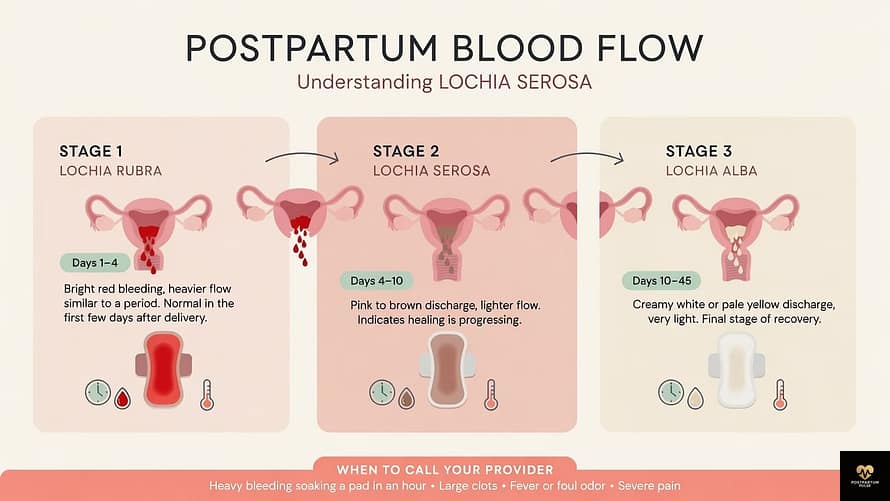
- Lochia Rubra: This is the initial stage, characterized by its bright red color an often heavy flow. It can last from a few days up to a week or so. This is where the most absorbent pads are unequivocally needed.
- Lochia Serosa: As the bleeding subsides, the lochia becomes pinkish or brownish in color and less heavy. This phase usually transitions around the first week postpartum and can last for several weeks.
- Lochia Alba: Towards the end of the postpartum period, the discharge becomes whitish or yellowish and much lighter. This stage can persist for up to six weeks postpartum.
The quantity of lochia is significant. During the first 3 to 10 days postpartum, mothers may need to change pads every 4 hours due to the sheer volume, which is notably heavier than a typical menstrual period. This intensity underlines the necessity of choosing the right kind of pad for adequate protection and confidence.
The American College of Obstetricians and Gynecologists (ACOG) also recommends monitoring postpartum bleeding and contacting your healthcare provider if you experience very heavy bleeding, large clots, fever, or signs of infection.
The Evolution of Postpartum Pads: From Basic to Brilliant
My personal experience, and the broader market trends, highlight a dramatic evolution in postpartum pad technology. The basic cotton strips of yesteryear have paved the way for a sophisticated range of products catering to a multitude of needs.
Material Innovations for Comfort and Health
The emphasis today is on breathable, soft materials that promote healing and prevent irritation. My skin, already sensitive from pregnancy and the physical exertion of birth, needed gentle attention. Harsh materials could easily lead to rashes and discomfort, hindering the healing process.
- Organic Cotton: Many brands are now offering pads made from 100% organic cotton, which is naturally soft, breathable, and free from harsh chemicals often found in conventional products. This was a game-changer for me, providing a sense of natural comfort against my skin.
- Bamboo Fabric: Another popular choice is organic bamboo. It’s known for its incredible softness, absorbency, and natural antibacterial properties. Tree Hugger Organic Bamboo, for instance, is a standout in this category, offering a sustainable and exceptionally gentle option.
- Hypoallergenic Materials: The focus on minimizing allergens and irritants is a significant advancement. Brands are increasingly using hypoallergenic materials to reduce the risk of adverse reactions and promote optimal skin health during postpartum recovery.
Beyond Absorbency: Added Features for Enhanced Recovery

The innovation doesn’t stop at the material. Brands are incorporating features that actively aid in recovery.
- Cooling and Soothing Properties: For those who have experienced a vaginal birth or a cesarean section, swelling and discomfort are common. The emergence of “chilled pads” or “ice maxi pads” has been revolutionary. Brands like Frida Mom Instant Ice offer pads that provide immediate cooling relief, significantly reducing pain and inflammation. This was an invaluable addition to my recovery kit, offering a tangible sense of relief during the most tender phases.
- Herbal Infusions: Some advanced pads now come infused with soothing herbs like witch hazel, lavender, or calendula. These natural ingredients are known for their anti-inflammatory and healing properties, offering a gentle, therapeutic experience with each pad change. I found these particularly comforting, as they added a touch of natural wellness to a fundamentally medical need.
- Odor Control: While lochia naturally has an odor, advanced pads incorporate technologies to help neutralize it, providing an added layer of confidence and discretion.
When navigating the postpartum period, many new mothers find themselves in need of various products to aid in recovery and comfort. One essential item is postpartum pads, which are designed to provide support during the healing process. For those looking to enhance their postpartum experience, you might find it helpful to read about the benefits of wearing a postpartum belt. This article offers valuable insights on how to wear a postpartum belt effectively, which can complement the use of pads during recovery. To learn more, visit this article.
Choosing the Right Postpartum Pad: Navigating Your Options
With such a diverse range of products on the market, making an informed choice can feel overwhelming. However, understanding your individual needs and the specific features offered by different brands can simplify the process.
The Importance of Absorbency and Breathability
My biggest concern initially was leakage. The fear of an accident, especially in public, was very real. This is where different absorbency levels come into play.
Matching Absorbency to Your Flow
- Heavy Flow Pads: For the initial days of lochia rubra, a pad with maximum absorbency is essential. Brands like Always Maxi are renowned for their ability to handle heavy flows, providing security and peace of mind. They are designed with advanced leak-guard technology, which was paramount for my comfort and confidence.
- Moderate Flow Pads: As the lochia transitions to serosa, you can opt for pads with moderate absorbency. These are often thinner and more discreet, while still offering adequate protection for lighter flows.
- Ultra-Thin Options: For those who prefer a less bulky feel, or for the later stages of recovery, ultra-thin pads can be a good choice. Brands like Stayfree Ultra Thin excel in this category, offering reliable protection without the feeling of a bulky pad, which was a welcome relief as my body began to feel more “normal” again.
Breathability: A Key to Preventative Care
Beyond absorbency, breathability is crucial. My skin felt sensitive, and anything that trapped moisture could lead to irritation.
- Promoting Airflow: Good quality postpartum pads are designed with materials that allow air to circulate freely. This is vital for preventing moisture buildup, which can lead to rashes, discomfort, and even infections.
- Preventing Irritation: When my skin felt raw and tender, the last thing I needed was a product that exacerbated the issue. Breathable pads allowed my skin to stay as dry and comfortable as possible, aiding in the natural healing process.
The Rise of Reusable and Sustainable Options
The growing awareness around sustainability has extended to postpartum care, with reusable pads gaining significant traction.
Benefits of Cloth Pads
- Environmental Friendliness: For the eco-conscious mother, reusable cloth pads offer a significant reduction in waste. Many are made from organic materials like bamboo or cotton, making them a greener choice.
- Long-Term Cost Savings: While the initial investment might be higher, reusable pads can save money in the long run as you won’t need to continuously purchase disposable options.
- Gentle on Skin: Many users report that cloth pads feel softer and more comfortable against the skin, similar to their disposable organic counterparts. Tree Hugger Organic Bamboo is a prime example of a brand that champions this sustainable approach.
Considerations for Reusable Pads
- Hygiene and Cleaning: Reusable pads require a specific cleaning routine involving washing and sanitizing to ensure hygiene. This is an important consideration for busy new mothers.
- Portability: While convenient at home, carrying used cloth pads for changing while out and about might require a separate wet bag and careful planning.
Safety First: Why Pads Trump Other Options Postpartum

During my prenatal classes, discussions about menstrual products often included tampons and menstrual cups. However, the postpartum period presents a unique set of circumstances that makes menstrual pads the overwhelmingly safest choice.
When navigating the postpartum period, many new mothers find themselves seeking information on various products, including postpartum pads. Understanding the duration of postpartum bleeding can significantly influence the choice of pads, making it essential to be informed. For more insights on how long you can expect postpartum bleeding to last, you can check out this informative article here. This knowledge can help you make better decisions about your postpartum care and comfort.
The Risks of Internal Products
The postpartum vaginal canal can be compromised by tears, episiotomies, or even the natural stretching from birth. Introducing internal products like tampons or menstrual cups into this sensitive area carries a higher risk of infection.
Infection Prevention
- Wound Healing: Any stitches or internal abrasions need to breathe and heal without the added risk of introducing bacteria. Tampons and cups, by their nature, can disrupt this delicate process and potentially harbor bacteria.
- Reduced Risk of TSS: While rare, Toxic Shock Syndrome (TSS), associated with tampon use, is a serious concern that is best avoided altogether during postpartum recovery. Postpartum pads completely bypass this risk.
Breathability and Softness for Maternal Health
As I’ve mentioned, the physical healing process, coupled with potential discomfort and stitches, means that the skin needs gentle care.
- Preventing Irritation and Rashes: Pads designed with breathability and softness in mind are crucial for preventing chafing, irritation, and uncomfortable rashes. This allows the healing tissues to remain undisturbed and comfortable.
- Promoting Natural Healing: By keeping the area dry and comfortable, high-quality postpartum pads contribute to a smoother and more efficient natural healing process.
Innovations Shaping the Future of Postpartum Care
The postpartum recovery landscape is continuously evolving, with new product launches and technological advancements aimed at making this period more manageable and comfortable for mothers.
Beyond Pads: A Holistic Approach to Recovery

The industry is moving towards a more comprehensive view of postpartum recovery, where accessories like pads are just one piece of a larger puzzle.
Smart Underwear and Accessory Integration
- Smart Postpartum Underwear: Innovations like Thinx Super Hi-Waist are entering the market, offering underwear that is not only leak-proof but also provides support and comfort. These can absorb lighter flows or act as a backup for pads, offering an integrated solution for managing discharge and providing gentle abdominal support.
- Complementary Recovery Tools: Brands are developing a suite of products that work together. For example, smart breast pumps with app connectivity, like those from Medela (launched in 2024), track feeding schedules and monitor milk supply, complementing the broader recovery ecosystem by addressing another significant aspect of postpartum life.
Specialized Solutions for Specific Needs
The recognition that not all postpartum experiences are the same has led to the development of highly specialized products.
Addressing Long-Term Issues and C-Section Recovery
- Incontinence-Specific Pads: Some women experience postpartum incontinence that can last longer than the typical recovery period. Specialized pads designed for incontinence offer targeted absorbency and odor control, providing a discreet and effective solution for ongoing leakage issues.
- Post-Cesarean Recovery Aids: Mothers who have undergone a cesarean section often deal with incision site pain and swelling. Cooling and ice maxi pads are particularly beneficial for this group, helping to reduce inflammation and discomfort around the abdomen, making the healing process more bearable.
- Eco-Friendly Product Lines: Major brands like Philips Avent are launching dedicated eco-friendly postpartum lines, signaling a broader industry commitment to sustainability and offering mothers more environmentally conscious choices across their entire recovery needs.
The World Health Organization (WHO) recommends ongoing postnatal care for mothers and babies during the weeks after birth, emphasizing recovery, hygiene, breastfeeding support, and early identification of complications.
My journey through postpartum was a lesson in appreciating the fundamentals. While grand narratives of motherhood often overshadow the quiet, consistent needs of a healing body, the reality is that even the most basic items, like postpartum pads, play an indispensable role. From providing essential protection and comfort to evolving with innovative designs, these pads are far more than just absorbent materials. They are tools of comfort, facilitators of healing, and a testament to the growing recognition that a mother’s recovery is just as vital as the precious new life she has brought into the world. As I continue to embrace motherhood, I carry with me a deep gratitude for these unsung heroes of my postpartum journey.
FAQs
What are postpartum pads?
Postpartum pads are specially designed sanitary pads for women who have recently given birth. They are larger and more absorbent than regular pads to accommodate the heavy bleeding that occurs after childbirth.
How long should postpartum pads be used?
Postpartum pads should be used for the first few weeks after giving birth, as this is when bleeding is heaviest. It is recommended to use them for at least 4-6 weeks postpartum, or until the bleeding has significantly decreased.
What are the key features of postpartum pads?
Postpartum pads are typically longer, thicker, and more absorbent than regular pads. They often have a wider back to provide extra coverage and prevent leaks. Some postpartum pads also have cooling or soothing properties to help with postpartum discomfort.
Are there different types of postpartum pads available?
Yes, there are different types of postpartum pads available, including disposable pads and reusable cloth pads. Some postpartum pads also come in different sizes and absorbencies to accommodate individual needs.
Are postpartum pads necessary after giving birth?
Yes, postpartum pads are necessary after giving birth to manage the heavy bleeding that occurs as the uterus sheds its lining. Using postpartum pads helps to keep the area clean and prevent infection.