 Skip to content
Postpartum vs Postnatal: 6 Life-Changing Insights for Your Recovery Journey
July 7, 2025

Introduction
Many new parents find themselves confused by the terms postpartum and postnatal, though they relate to important phases following childbirth. Understanding these periods helps you recognize the physical and emotional changes you might face. While postpartum typically refers to the mother’s recovery after birth, postnatal can involve care for both mother and baby. Being aware of potential health risks during these times is vital, as complications can impact you and your infant. To deepen your insight, check out this detailed study on Postpartum versus postnatal period: Do the name and ….
Key Takeaways:
- The term “postpartum” is commonly used in the United States to refer to the period after childbirth, focusing on the mother’s recovery.
- “Postnatal” is more widely used in the United Kingdom and other English-speaking countries and refers broadly to the period after birth for both mother and newborn.
- Both terms describe the time following delivery, typically covering the first six weeks when physical and emotional changes occur.
- Postpartum often emphasizes maternal health issues such as postpartum depression and physical healing, while postnatal can also include newborn care and development.
- Healthcare professionals might use either term depending on regional preferences, but both address the transition and adjustments after birth.
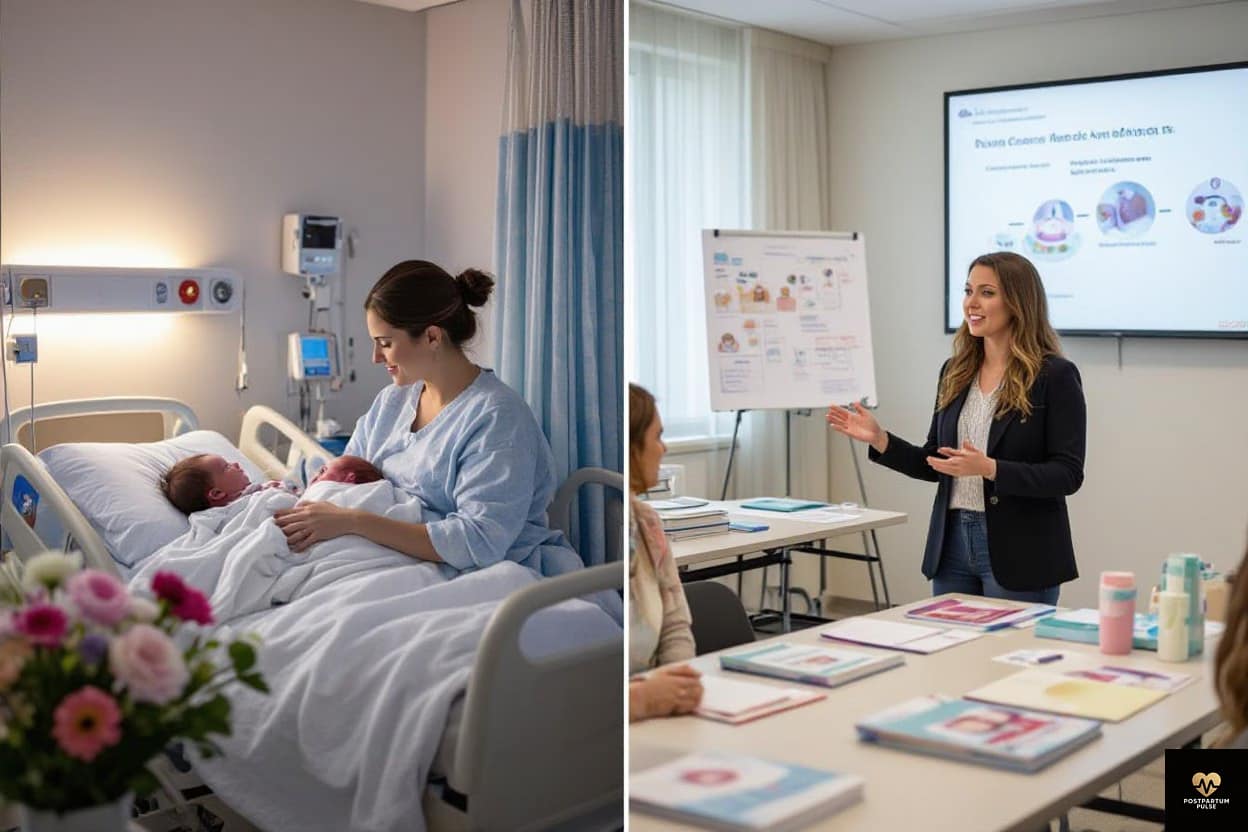
Decoding Terminology: Postpartum vs Postnatal
Understanding the subtle but meaningful differences between ‘postpartum’ and ‘postnatal’ sharpens your grasp on maternal health. While often used interchangeably, these terms originate from different linguistic and medical traditions and can frame your experiences and care approaches differently. By dissecting each term, you gain clarity on when and how they apply, especially across various healthcare settings worldwide, influencing how you approach recovery and support after childbirth.
Defining ‘Postpartum’
The term ‘postpartum’ specifically refers to the period following childbirth, usually the first six weeks after delivery, marking your body’s initial phase of recovery. This timeframe is when you face physical healing challenges such as uterine contraction, bleeding, and hormonal shifts. Health professionals often focus on this phase to monitor for complications like postpartum hemorrhage or depression, ensuring your immediate needs are addressed with timely interventions and support.
Defining ‘Postnatal’
‘Postnatal’ typically describes care or conditions relating to the mother and newborn after birth, extending beyond just the immediate weeks and often including the baby’s early life. It encompasses not only your physical recovery but also the initial developmental milestones of your infant, stretching healthcare attention to both of you. This term commonly appears in global health literature and policies that support ongoing assessments, immunizations, and vocational advice, emphasizing a holistic approach to your family’s well-being.
Expanding on the postnatal concept, it often includes the critical period up to 12 months postpartum, during which you navigate feeding challenges, sleep adjustments, and emotional shifts. Many clinical guidelines highlight this extended timeline to promote early detection of issues like postnatal depression or infant growth concerns. Access to postnatal care can vary, but proactive engagement with healthcare providers helps sustain your recovery and supports your infant’s healthy development during these formative months.
The Timeline Differentiation: When Each Phase Occurs
You’ll notice that while both postpartum and postnatal phases involve adjustment after childbirth, their timing and scope sharply differ. The postpartum period specifically references the first six weeks after delivery, a phase marked by intense physical and emotional changes. On the other hand, the postnatal period extends beyond those initial weeks, often considered the first year of your newborn’s life, focusing on ongoing development and care. Understanding when each phase naturally begins and ends helps align your expectations and tailor your support strategies effectively during this vulnerable but transformative time.
Duration and Age Parameters
The postpartum phase formally spans the first 42 days after birth, a timeframe that your healthcare team closely monitors for critical recovery signals. Conversely, the postnatal period covers a broader scope, including infant care and maternal health up to 12 months of age. This extension acknowledges the prolonged nature of maternal and newborn adjustments, from breastfeeding challenges to emotional bonding. Recognizing these distinct periods lets you better navigate the shifting demands on your body and mind as you transition through early parenthood.
Impact on Maternal Recovery
During the postpartum phase, your body undergoes rapid physiological changes—uterine involution, hormonal shifts, and initiation of lactation—which demand specialized medical attention. In contrast, the extended postnatal period focuses more on long-term adaptation, including psychological wellbeing and gradual physical restoration. You might experience fluctuating emotions or persistent fatigue well beyond six weeks, highlighting postnatal challenges that warrant ongoing support. Differentiating these phases clarifies how your recovery timeline unfolds, emphasizing that healing is not confined to the immediate postpartum window.
Digging deeper into maternal recovery, the postpartum period can be rife with symptoms like heavy bleeding (lochia) and perineal pain, requiring careful monitoring to prevent infections or complications such as postpartum hemorrhage. Beyond six weeks, during the postnatal period, you may confront issues like postnatal depression, sleep deprivation, and breastfeeding difficulties, which impact physical and mental health more subtly but profoundly. Recognizing this continuum ensures you seek timely interventions and holistic care, supporting your resilience and wellbeing throughout the entire first year after childbirth.

The Psychological Implications of Postpartum and Postnatal Stages
Postpartum and postnatal periods involve significant psychological shifts that can influence your mental well-being. Fluctuations in hormones, sleep deprivation, and the overwhelming responsibility of caring for a newborn contribute to varied emotional experiences. Some women face postpartum depression or anxiety, with symptoms ranging from persistent sadness to feelings of detachment. Awareness of these psychological implications helps you notice changes early and seek appropriate support, which can make a profound difference in your recovery journey.
Mental Health During Postpartum
Your mental health during the postpartum stage can be vulnerable due to rapid hormonal changes, fatigue, and new stressors. Conditions such as postpartum depression affect approximately 1 in 7 women, presenting symptoms like mood swings, irritability, and difficulty bonding with your baby. Monitoring these mood changes and openly communicating with healthcare providers or support groups can provide timely interventions, helping you navigate this sensitive period with resilience.
Restorative yoga can be especially soothing for mental health—browse our postpartum yoga guide for gentle flow suggestions that calm your mind.
Postnatal Considerations for Emotional Well-being
During the postnatal phase, emotional well-being depends on factors beyond physical recovery, including support systems, personal expectations, and environmental stressors. Embracing strategies like regular relaxation, social connection, and realistic goal-setting can improve your emotional health. Awareness of baby blues versus more severe emotional disturbances is key to maintaining balance and fostering positive mother-infant bonding.
Diving deeper, postnatal emotional well-being often hinges on your ability to manage stress and seek support when needed. Engaging with peer groups, counseling, or family can buffer against feelings of isolation. Additionally, monitoring your mood systematically using tools like mood diaries can help detect patterns that may signal deeper concerns, enabling early response before conditions exacerbate. Prioritizing rest, nutrition, and small moments for self-care also contribute significantly to sustaining emotional stability as you adjust to life with your newborn.

Navigating Care and Support: Resources for New Parents
Accessing a mix of professional and community-based resources can shape your experience during the postpartum and postnatal periods. From healthcare providers to support groups, identifying what aligns with your needs allows for personalized care. Local hospitals often offer workshops on infant care, while online platforms connect you with fellow parents sharing similar journeys. Tapping into these resources enhances your support network, helping you manage both physical recovery and emotional adjustment effectively.
Postpartum Support Systems
Professional support such as lactation consultants, postpartum doulas, and mental health counselors offers targeted assistance tailored to your recovery phase. Peer support groups also facilitate emotional sharing and advice, which can mitigate feelings of isolation. For example, many communities have postpartum-specific forums or meetups where shared experiences help normalize common struggles. Utilizing these systems strengthens resilience and can significantly improve your overall well-being during the intense postpartum phase.
Building a postpartum essentials kit can really help—check out our ultimate postpartum essentials guide for practical tools that support recovery.
Postnatal Care Strategies
Postnatal care encourages a structured approach that incorporates regular pediatric checkups, maternal health screenings, and nutritional guidance. Strategies like scheduled immunizations and developmental assessments for your baby, paired with maternal follow-ups, ensure comprehensive monitoring. Integrating physical activity adapted to your healing stage and maintaining mental health check-ins are also part of effective postnatal care, fostering holistic recovery for both you and your newborn.
Diving deeper, postnatal care strategies often involve multidisciplinary coordination between your obstetrician, pediatrician, and sometimes nutritionists or physiotherapists. Studies show that routine maternal screenings within six weeks post-delivery detect issues like postpartum anemia or thyroid dysfunction early, preventing longer-term complications. Implementing personalized nutrition plans supports breastfeeding and energy restoration, while physical therapy focuses on pelvic floor rehabilitation, addressing common postpartum challenges such as incontinence. This multilayered care ensures that both your health and your baby’s development stay on track, reinforcing a foundation for healthy growth and adjustment during the postnatal period.
Cultural Perspectives: Global Variations in Understanding Postpartum and Postnatal
Your experience of postpartum or postnatal periods can greatly differ depending on cultural views around the world. Some societies emphasize extended family involvement and traditional healing rituals to ease new mothers through recovery, while others take a more clinical approach. These differences influence how postpartum and postnatal depression are recognized and treated. For an in-depth look at how mental health challenges like Postpartum Depression Vs. Postnatal Depression – Roanoke, VA are addressed, you can explore resources that cover both global and localized perspectives.
Traditions and Practices Around the World
In many Asian cultures, you might experience a “confinement period” lasting several weeks post-birth, with special diets and rest prescribed to aid your recovery. In contrast, some Scandinavian countries focus on empowering you with early physical activity and mental health support integrated into healthcare. These varied practices reflect unique cultural priorities, from valuing rest and nourishment to encouraging gradual independence, shaping how you approach the postpartum and postnatal phases.
The Role of Community Support
Community involvement often plays a significant role in your postpartum and postnatal journey. In parts of Africa and Latin America, collective caregiving and shared responsibilities lighten your load and contribute to emotional well-being. Support groups, family networks, and local practices offer a safety net, impacting how effectively you navigate physical recovery and mental health challenges during this transformative period.
Expanding further, community support serves as a buffer against feelings of isolation and overwhelm following childbirth. Studies show that when you have access to trusted social networks, your risk of encountering severe postpartum or postnatal depression decreases significantly. Beyond family, peer groups, doulas, and healthcare providers contribute unique perspectives and assistance, reinforcing resilience. Understanding these dynamics can guide you in seeking or fostering your own support systems to enhance both your recovery and your overall maternal experience.
Final Words
Presently, understanding the terms postpartum and postnatal can help you navigate your experience after childbirth more confidently. Postpartum specifically refers to the mother’s recovery period following delivery, while postnatal encompasses the time both you and your baby transition into life outside the womb. Being aware of these distinctions allows you to seek appropriate care and support tailored to your needs and your newborn’s development during this important phase.
Q: What is the difference between postpartum and postnatal?
A: “Postpartum” refers specifically to the period following childbirth, focusing on the mother’s physical and emotional recovery. “Postnatal” is a broader term that relates to the time after birth affecting both the mother and the newborn, often concerning their overall health and care. While they are sometimes used interchangeably, postpartum usually centers on maternal health, whereas postnatal encompasses care for both mother and baby.
Q: When does the postpartum period start and end?
A: The postpartum period begins immediately after the delivery of the baby and typically lasts about six weeks. During this time, the mother’s body undergoes significant changes as it returns to its pre-pregnancy state, including uterine involution and hormonal adjustments. However, some aspects of postpartum recovery, such as emotional adjustments, may continue for several months.
Q: Does the postnatal period include the baby’s health monitoring?
A: Yes, the postnatal period includes monitoring the health and development of the newborn alongside the mother’s recovery. This phase involves checking the baby’s feeding, growth, and overall well-being, as well as providing immunizations and addressing any neonatal concerns.
Q: Are postpartum depression and postnatal depression the same?
A: Postpartum depression and postnatal depression generally refer to the same condition: a mood disorder affecting some women after giving birth. The term “postpartum” is more commonly used in clinical contexts, while “postnatal” is more often used in general settings. Both terms describe depression occurring within the weeks or months following delivery.
Q: How does care differ during postpartum and postnatal periods?
A: Postpartum care primarily focuses on the mother’s physical and emotional recovery after childbirth, including managing bleeding, healing of any birth-related injuries, and monitoring for complications. Postnatal care, on the other hand, addresses the needs of both the mother and the newborn, such as breastfeeding support, newborn screenings, and guidance on infant care and development.
Q: Can the duration of the postpartum and postnatal periods vary?
A: Yes, while the typical timeframe for both postpartum and postnatal periods is about six weeks following delivery, the duration can vary based on individual circumstances. Some mothers may require extended recovery time, especially after complicated births, and newborns might need ongoing specialized care beyond the initial postnatal period.
Q: Which healthcare professionals are involved in postpartum and postnatal care?
A: Postpartum care usually involves obstetricians, midwives, and sometimes mental health professionals to support the mother’s recovery. Postnatal care includes pediatricians, lactation consultants, and nurses who assist with the health and development of the newborn, alongside professionals caring for the mother. A multidisciplinary approach is often used to provide comprehensive support during both periods.