 Skip to content
Effective Relief for Postpartum Knees Joint Pain
June 29, 2025

Knees often experience unexpected challenges after childbirth, including postpartum knees joint pain that can affect your mobility and comfort. This pain may arise from hormonal changes, increased joint laxity, or the physical demands of caring for a newborn. If left unchecked, it might worsen, restricting your daily activities. However, the good news is that understanding the causes and treatment options can help you manage and reduce discomfort effectively. By paying attention to your body’s signals and seeking appropriate care, you can support your recovery and maintain healthy, pain-free knees.
Key Takeaways:
- Postpartum knee joint pain can result from hormonal changes, particularly the relaxation of ligaments during pregnancy, which may persist after delivery.
- Increased body weight during pregnancy and the physical demands of caring for a newborn can contribute to knee pain postpartum.
- Common symptoms include swelling, stiffness, and discomfort during movement or weight-bearing activities.
- Management strategies include gentle exercise, physical therapy, proper footwear, and, if necessary, consulting a healthcare provider for pain relief options.
- If knee pain is severe, persistent, or associated with other symptoms like redness or warmth, it is important to seek medical evaluation to rule out infection or other conditions.
The Anatomy of Postpartum Knee Discomfort
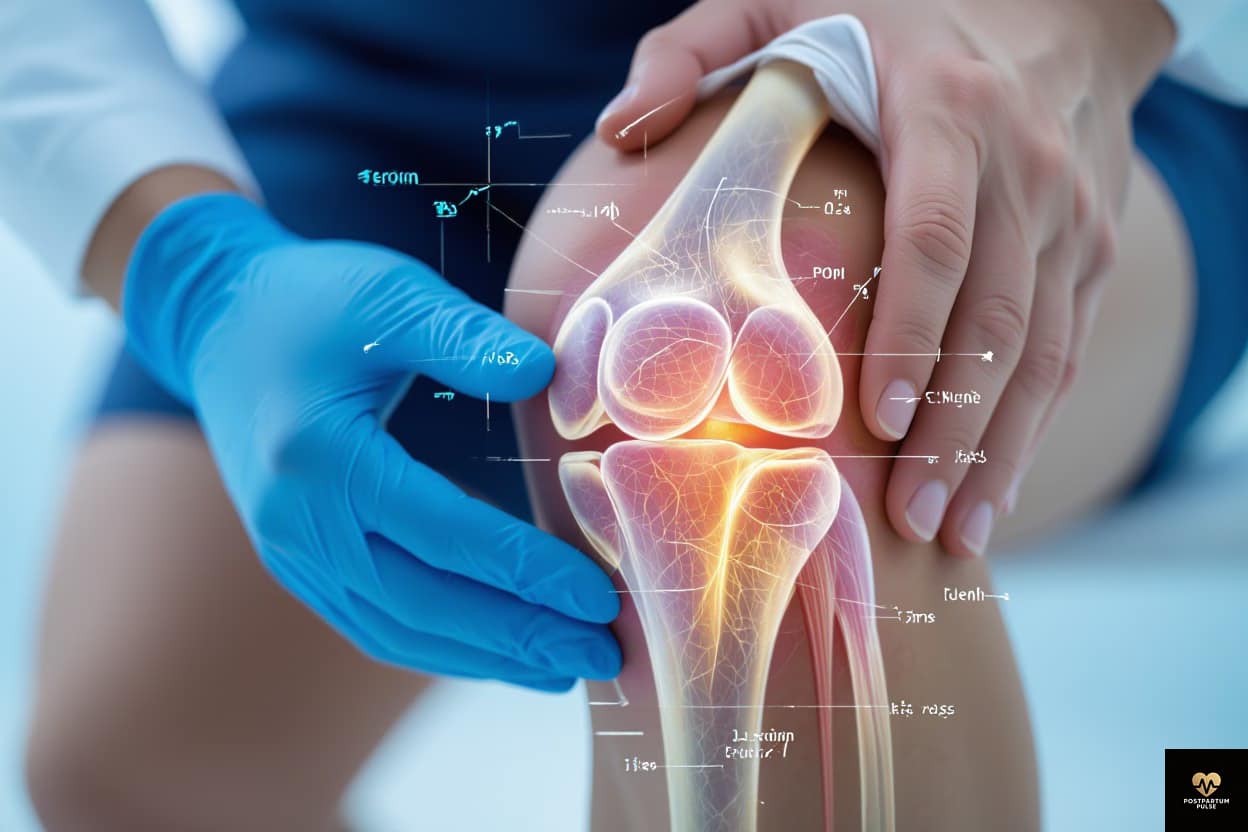
Your knees endure unique strains postpartum as your body adjusts from pregnancy to daily activities with a newborn. The cushioning cartilage and ligaments surrounding your joint can become more vulnerable due to increased weight and altered gait patterns. Swelling and inflammation in the knee joint may intensify, leading to discomfort that limits mobility and impacts your ability to care for your baby. Understanding the specific structures involved helps target effective relief strategies.
Understanding the Biomechanics of Postpartum Bodies
During pregnancy, the added weight shifts your center of gravity forward, changing how your knees absorb shock and bear weight. This altered alignment often persists postpartum as your muscles and joints work to regain pre-pregnancy strength. Weakness in supporting muscles such as the quadriceps and hamstrings can increase pressure on the knee joint itself, amplifying pain. Your body’s biomechanical adjustments require targeted exercises to restore optimal function and reduce joint stress.
The Role of Hormonal Changes in Joint Pain
Hormones like relaxin remain elevated after childbirth, continuing to loosen ligaments including those in your knees for months postpartum. This ligament laxity reduces joint stability, making your knees more prone to pain and injury during ordinary movements. Elevated estrogen levels can also affect pain sensitivity, potentially increasing discomfort in joints previously unaffected during pregnancy.
Relaxin, which peaks late in pregnancy to facilitate childbirth, can stay in your system for up to five months, prolonging its impact on ligament flexibility. This hormonal environment leads to diminished joint support, which may cause feelings of instability or a “giving way” sensation in your knees. Coupled with estrogen’s influence on connective tissue and pain receptors, these hormonal shifts contribute significantly to the postpartum joint challenges you experience, demanding careful management and tailored rehabilitation.
The Ripple Effect: How Childbirth Influences Joint Health
Childbirth sets off a cascade of changes throughout your body that can significantly impact joint health, especially in your knees. Hormonal shifts, altered posture, and physical stresses during delivery contribute to joint discomfort and instability. These effects often extend beyond immediate recovery, influencing your mobility and comfort long-term. Understanding how these factors interconnect is vital to managing Postpartum Knee Pain? Here’s What To Do and supporting your overall joint health as you adjust to motherhood.
Delivery Type and Its Impact on Joint Stress
The mode of delivery can significantly affect the degree of joint stress you experience postpartum. Vaginal births often involve intense physical strain on the pelvis and knees due to prolonged pushing and positioning, while cesarean sections, although surgical, may reduce immediate joint strain but lead to compensatory movement patterns afterward. Each delivery type imposes unique challenges on your joint structures, demanding tailored recovery strategies to restore stability and reduce pain effectively.
The Connection Between Weight Fluctuations and Joint Stability
Rapid weight gain during pregnancy and subsequent postpartum weight loss create fluctuating loads on your knees, affecting joint stability and increasing susceptibility to pain. The added weight places excessive pressure on the knee cartilage and ligaments, which may loosen or become strained, especially under the influence of pregnancy hormones like relaxin. Managing these fluctuations carefully supports improved joint function and helps mitigate persistent discomfort.
In addition to mechanical stress, substantial weight changes disrupt muscle balance and joint alignment, compounding strain on the knees. Studies show that postpartum women who regain their pre-pregnancy weight gradually experience fewer knee complaints, as muscles supporting the joint regain strength and coordination. Targeted exercises focusing on strengthening your quadriceps and hamstrings can further enhance joint stability and reduce the risk of long-term damage from these weight-induced stresses.
Common Symptoms and When to Seek Help
Feeling persistent swelling, stiffness, or sharp knee pain after delivery can signal postpartum joint complications beyond typical recovery. Low-grade aching throughout the day, especially worsening with activity, also merits attention. Tracking changes in your symptoms will alert you if the discomfort escalates or fails to improve over several weeks. For detailed guidance tailored to new mothers, explore Postpartum Joint Pain: Why it Happens and Tips for New …. Consulting a healthcare professional promptly ensures that your recovery stays on a healthy path and prevents further joint issues.
Identifying Acute vs. Chronic Pain Patterns
Acute postpartum knee pain often stems from sudden injury or inflammation and tends to resolve within a few days to weeks with rest and treatment. Chronic pain, by contrast, persists beyond 12 weeks, indicating possible ligament instability or cartilage damage. You might notice sharp pain during specific movements initially, evolving into a dull, constant ache over time. Differentiating these patterns helps determine whether home care will suffice or if professional evaluation is necessary to address the underlying condition effectively.
Recognizing Associated Symptoms that Require Medical Attention
Swelling that rapidly increases along with redness, warmth around the knee, or fever suggests an infection needing urgent care. Numbness, tingling, or weakness in your leg could signal nerve involvement requiring precise diagnosis. Difficulty bearing weight or sudden inability to bend your knee normally implies serious injury. Monitor for joint deformity or locking sensations as these are alarms for structural damage. Seeking prompt medical advice can prevent complications and guide you toward appropriate treatments to safeguard your knee’s function.
Additional Insight: Persistent swelling combined with systemic signs like fever indicates the possibility of septic arthritis, a bacterial infection within the joint space that demands immediate intervention. Furthermore, symptoms such as severe instability during weight-bearing might reflect postpartum ligament laxity or a meniscal tear, conditions that escalate if left unaddressed. Early diagnosis through clinical examination and imaging ensures targeted care, minimizing long-term disability and supporting optimal recovery during your postpartum journey.
Practical Strategies for Easing Postpartum Knee Pain
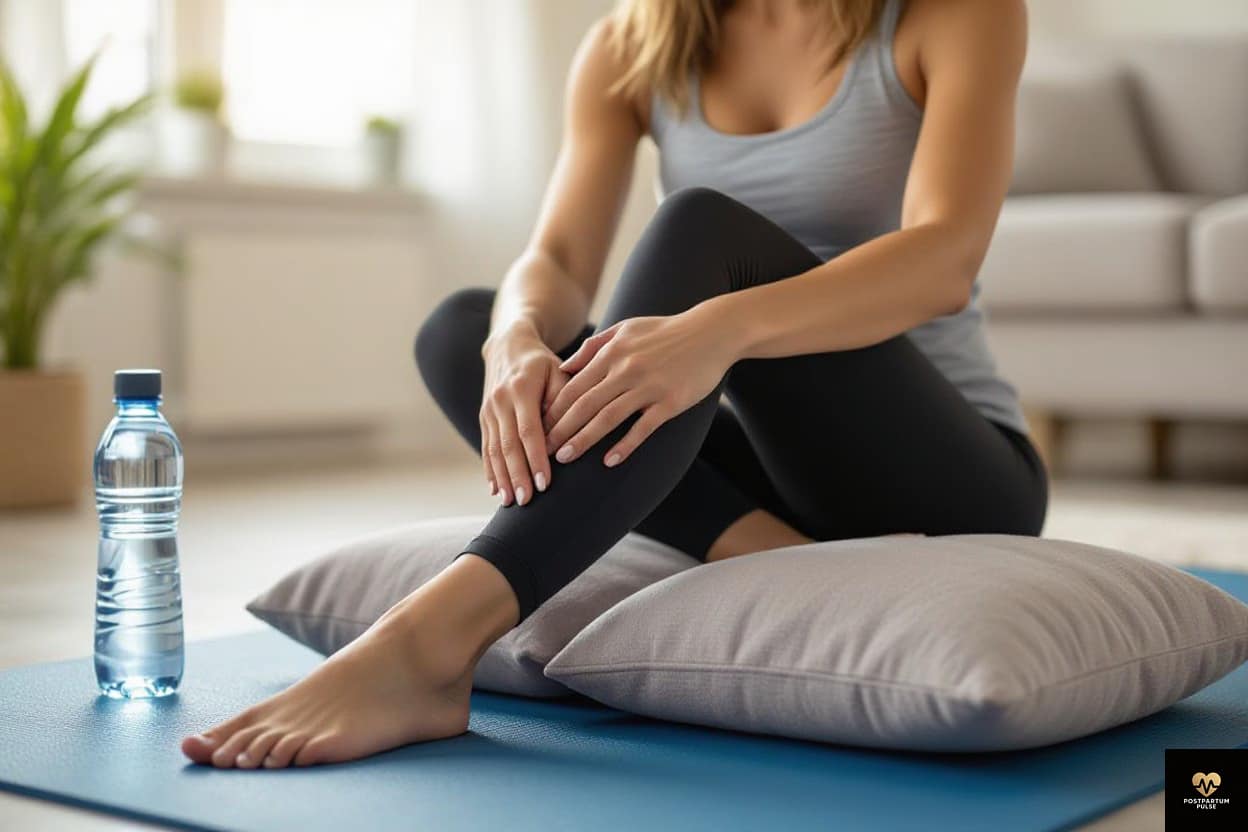
You can significantly reduce postpartum knee pain by adopting tailored strategies that support your recovery. Incorporating gentle motion, maintaining proper joint alignment during everyday activities, and applying targeted strengthening exercises will ease discomfort. Prioritizing rest periods and utilizing ice or heat therapy can regulate inflammation and improve circulation. If pain lingers, seeking professional guidance ensures you’re following evidence-based methods like those outlined in Managing Knee Pain Postpartum: 5 Tips for New Moms to customize your approach and prevent worsening symptoms.
Strengthening Exercises for Recovery
Focusing on low-impact strengthening exercises such as straight leg raises, mini-squats, and step-ups helps restore knee stability and support soft tissues strained during pregnancy and delivery. Integrating controlled resistance band routines targets the quadriceps, hamstrings, and gluteal muscles, which play a pivotal role in knee joint mechanics. Regularly performing these movements can accelerate recovery and reduce recurrent pain episodes, allowing you to regain confidence in daily activities and avoid overcompensation that might lead to other joint issues.
You can also include restorative yoga in your routine—find gentle postnatal stretches in our postpartum yoga guide.
Effective Pain Management Techniques and Treatments
Utilizing a combination of modalities like cold packs to minimize swelling, heat therapy to relax tight muscles, and over-the-counter anti-inflammatory medications can provide effective relief. Physical therapy often includes manual joint mobilizations to improve range of motion and neural gliding exercises to decrease sensitivity. For persistent or severe symptoms, treatments such as ultrasound therapy or kinesiology taping may be recommended to enhance tissue healing and reduce joint stress.
In some cases, targeted physical therapy interventions focus on correcting biomechanical imbalances that contribute to ongoing knee pain. Techniques such as proprioceptive training improve joint position sense, decreasing the risk of instability and injury reinjury after childbirth. Additionally, addressing adjacent muscle groups like the hip abductors and core can redistribute forces away from sensitive knee structures, optimizing movement patterns and preventing chronic discomfort. Coordinating with your healthcare provider ensures the safest and most effective combination of treatments tailored to your specific needs during the postpartum period.
Wearing a gentle postpartum belt can help support your knee and pelvic alignment—see our guide on how to properly wear a belt here.
The Psychological Aspects of Chronic Joint Pain
Chronic joint pain doesn’t just affect your body—it significantly impacts your mental landscape. You might experience frustration, anxiety, or even depressive symptoms as persistent discomfort limits your mobility and interrupts daily functions. Studies show that individuals dealing with chronic pain are twice as likely to develop mood disorders. Understanding this interplay helps you recognize that managing both physical symptoms and psychological wellbeing is vital in your recovery journey, especially during the demanding postpartum period.
Navigating Emotional Health During Physical Struggles
Physical discomfort from joint pain often triggers emotional challenges like irritability or feelings of helplessness. You may find yourself withdrawing from social activities or feeling overwhelmed by tasks you once handled with ease. Techniques such as mindfulness, cognitive behavioral therapy, or gentle physical practices like yoga can help recalibrate your emotional state, allowing you to regain resilience and a sense of control amid ongoing discomfort.
Building a Support System for Recovery
Connecting with others who understand your experience forms a powerful foundation for healing. Whether it’s healthcare professionals, family members, or peer support groups, having trusted advocates enables you to share concerns and access practical advice. This network can provide encouragement during setbacks and celebrate progress, reinforcing your motivation to manage joint pain effectively while navigating postpartum challenges.
Beyond emotional encouragement, a well-rounded support system also facilitates access to resources such as physical therapy, nutritional guidance, and pain management specialists. Engaging with professionals who specialize in postpartum care can tailor strategies specifically to your needs. Additionally, peer groups focused on postpartum joint health offer shared stories and coping strategies that validate your experience and reduce feelings of isolation. Cultivating these relationships empowers you, transforming recovery into a collaborative effort rather than a solitary battle.
A good essentials kit—like the one we outline in the ultimate postpartum essentials guide—often includes helpful tools for joint comfort and recovery.
Conclusion
Ultimately, postpartum knees joint pain is a common issue that you might experience as your body recovers from pregnancy and childbirth. Understanding the causes, such as hormonal changes and altered biomechanics, can help you manage the discomfort effectively. Incorporating gentle exercises, proper rest, and seeking professional advice when necessary can support your recovery and improve joint function. By paying attention to your body’s signals and adopting appropriate care strategies, you can navigate this phase with greater ease and regain your mobility.
FAQ
Q: What causes knee joint pain after childbirth?
A: Knee joint pain postpartum can be caused by hormonal changes that affect ligament laxity, increased weight during pregnancy putting extra stress on the knees, and changes in posture and gait. Additionally, fluid retention and inflammation may contribute to discomfort in the knee joints after delivery.
Q: How long does postpartum knee joint pain typically last?
A: The duration of knee joint pain after childbirth varies for each individual. For some, the pain may resolve within a few weeks as the body returns to its pre-pregnancy state. For others, especially if underlying joint issues exist, it can persist for several months. Monitoring symptoms and consulting a healthcare professional can help determine the expected timeline.
Q: Are there safe ways to relieve knee pain after pregnancy?
A: Yes, several approaches can help ease postpartum knee pain. Gentle low-impact exercises like walking or swimming can strengthen muscles around the knee. Applying ice packs may reduce inflammation, and using supportive footwear can improve joint alignment. Over-the-counter pain medications may be used after consulting with a healthcare provider, especially if breastfeeding.
Q: Can breastfeeding affect knee joint pain postpartum?
A: Breastfeeding itself does not directly cause knee pain, but hormonal changes during breastfeeding can influence joint health and recovery. The hormone relaxin, which increases during pregnancy and may linger postpartum, can keep joints more flexible and susceptible to pain or injury until levels normalize.
Q: When should I seek medical attention for postpartum knee pain?
A: It is advisable to see a healthcare professional if the knee pain is severe, persistent beyond a few months, associated with swelling, redness, or warmth around the joint, or if it significantly limits mobility. These symptoms could indicate an infection, injury, or other conditions needing medical evaluation.
Q: Does postpartum knee pain increase the risk of developing arthritis later in life?
A: While temporary joint pain after pregnancy is common and usually resolves, women who experience significant joint instability or injury during or after pregnancy may have a slightly increased risk for osteoarthritis in the affected joints later in life. Maintaining joint strength and seeking early treatment can help mitigate this risk.
Q: Are there specific exercises recommended to prevent or reduce knee joint pain after childbirth?
A: Yes, strengthening and stabilizing exercises targeting the quadriceps, hamstrings, and hip muscles can support knee joint health. Pelvic floor exercises and gentle stretching also contribute to overall posture and stability. It is best to start these exercises gradually and under the guidance of a physical therapist or healthcare provider specialized in postpartum care.