 Skip to content
Postpartum Night Sweats: Real Reasons & Relief Tips Every New Mom Needs
August 5, 2025

Just after giving birth, you might notice postpartum night sweats disrupting your sleep and causing discomfort. These intense episodes of sweating are common as your body adjusts to hormone changes and works to restore balance. While postpartum night sweats are usually harmless, they can sometimes signal infection or other health issues that need attention. Understanding why you experience these sweats and how to manage them can help you feel more comfortable and support your recovery during this important phase.
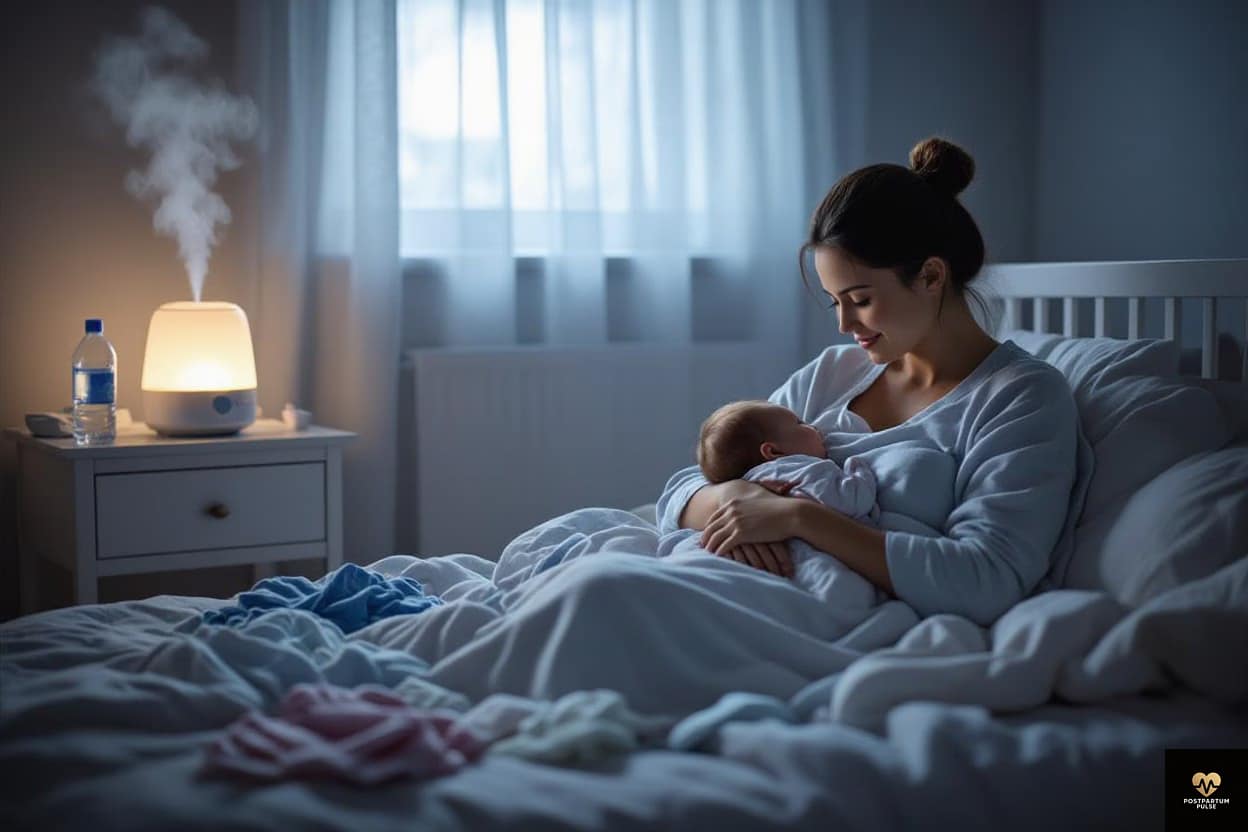
Key Takeaways:
- Postpartum night sweats are a common experience for many new mothers, often occurring in the first few weeks after childbirth.
- These night sweats mainly happen because of hormonal changes, especially the drop in pregnancy hormones like estrogen.
- Postpartum night sweats help the body get rid of excess fluids that built up during pregnancy.
- Wearing light clothing and using breathable bedding can make postpartum night sweats more comfortable to manage.
- If postpartum night sweats last for several months or come with other symptoms, it is a good idea to talk with a healthcare provider to rule out other causes.
The Biology of Postpartum Hormonal Shifts
The dramatic hormonal changes after childbirth primarily affect your body’s temperature regulation, often causing postpartum night sweats. Estrogen levels can drop by up to 90% within the first 24 hours postpartum, triggering your body’s internal thermostat to overreact. Progesterone also declines rapidly, impacting sweat glands and blood vessel dilation. This sudden shift disrupts your nervous system’s ability to maintain stable body heat, leading to episodes of intense sweating at night. Understanding these biological shifts can help you better manage the physical effects of postpartum night sweats as your body gradually rebalances.
The Role of Hormones in the Postpartum Phase
Hormones like estrogen, progesterone, and prolactin play key roles during postpartum recovery. Estrogen drops sharply after delivery, which can make your body more sensitive to temperature changes. Progesterone withdrawal can increase your metabolism and heat production. Meanwhile, rising prolactin levels, especially if you’re breastfeeding, may further influence sweating patterns. These hormonal swings are the root cause of postpartum night sweats, as they cause your body’s cooling mechanisms to become overactive as it adjusts to the new hormonal landscape.
How Hormonal Fluctuations Trigger Night Sweats
Sudden dips in estrogen disrupt your brain’s temperature regulation center, the hypothalamus, confusing it into signaling your body to cool down through sweating. This often happens during sleep, when your body’s natural temperature cycle is altered by hormone shifts. Progesterone and prolactin changes exaggerate this effect, intensifying the night sweats. This explains why postpartum night sweats often come in hot, drenching episodes that can interrupt sleep and cause discomfort.
Expanding on this, when estrogen levels plummet postpartum, the hypothalamus loses some control over your body’s thermal set point. This misfiring sends false signals that raise sweat production even when your body temperature isn’t actually high. The presence of elevated prolactin due to breastfeeding encourages increased metabolism, generating more internal heat that your body then tries to dissipate via sweating. Women often report sweating enough to soak bedding, sometimes sweating for months until hormone balance stabilizes. The intensity and duration of postpartum night sweats vary but are strongly linked to how quickly your hormones normalize.
Your hormones play a major role in postpartum night sweats. See how to balance hormones during postpartum here.
Debunking Myths: Night Sweats vs. Other Causes
Postpartum night sweats are caused by rapid hormonal changes—like a drop in estrogen and progesterone—and usually resolve on their own within a few weeks. According to Cleveland Clinic’s guide on postpartum night sweats, this is a normal and expected part of the healing process.”
Postpartum night sweats can easily be mistaken for ordinary sweating or symptoms of other conditions, but they have unique characteristics tied to hormonal shifts after childbirth. Unlike regular sweating, these episodes often occur in intense waves during deep sleep, drenching your clothes and sheets. Recognizing what truly triggers postpartum night sweats helps prevent confusion and unnecessary worry, especially since other serious health issues can cause similar symptoms. Understanding the differences ensures you stay informed about your body’s specific postpartum changes without jumping to incorrect conclusions.
Differentiating Night Sweats from Standard Sweating
Normal sweating generally happens during periods of heat, physical activity, or anxiety, and it’s usually mild compared to postpartum night sweats. Your postpartum night sweats tend to be much heavier and often occur exclusively at night, disrupting sleep. These intense episodes typically start within the first few weeks after delivery and decrease by around three to six months postpartum. Unlike regular sweating, which can be stopped or reduced by cooling down, postpartum night sweats are driven by hormonal fluctuations and aren’t easily controlled by adjusting the environment.
Identifying Other Potential Causes of Night Sweats
Occasionally, night sweats after childbirth might signal conditions beyond postpartum hormonal changes. Infections like tuberculosis or endometritis, medication side effects, or thyroid imbalances can cause similar symptoms. If your night sweats persist beyond six months or come with fever, weight loss, or fatigue, these signs warrant a healthcare evaluation to rule out other causes. Knowing when your night sweats are typical versus when they might suggest a deeper issue can guide you to seek timely medical advice.
Conditions such as postpartum thyroiditis affect approximately 5-10% of new mothers and often manifest with night sweats alongside other symptoms like anxiety and palpitations. Certain antibiotics or antidepressants prescribed after delivery might also trigger increased sweating. Tracking your symptoms alongside your medication and health history helps clarify whether your night sweats are purely postpartum or something else. Consulting your doctor for blood tests or screenings supports accurate diagnosis, ensuring you get appropriate treatment if needed.
Coping Mechanisms: Navigating Night Sweats with Ease
Medical News Today outlines that most cases peak around two weeks postpartum and typically fade within a few weeks—though breastfeeding can extend this timeframe. Their article on postpartum night sweats: causes and timeline offers more detail.
Dealing with postpartum night sweats can feel overwhelming, but adopting effective coping strategies can ease discomfort and improve your rest. Focus on creating a soothing sleep environment and adjusting your nighttime routine to reduce episodes. Simple changes like lightweight bedding and breathable pajamas, combined with mindfulness techniques, often bring relief. Understanding your body’s signals helps you respond quickly to symptoms, promoting better sleep quality during this transitional phase. This approach supports your overall recovery while managing the challenges of postpartum night sweats.
One gentle, full-body approach—especially helpful for easing tension from postpartum night sweats—is a short upper-body and abs workout. This 15‑minute postpartum upper-body & ab routine offers a gentle move-break and can help enhance core stability and circulation during late-night awakenings.
Practical Tips for Managing Symptoms
Implementing practical measures can significantly reduce the impact of postpartum night sweats. Keep your bedroom cool, ideally between 60-67°F (15-19°C), and use moisture-wicking sheets to stay dry. Dress in layers with breathable fabrics like cotton, which help evaporate sweat. Avoid spicy foods, caffeine, and heavy meals close to bedtime. Staying hydrated is crucial, but try to limit fluids an hour before sleep to minimize nighttime awakenings.
- Keep bedroom cool
- Use moisture-wicking sheets
- Wear breathable fabrics
- Avoid spicy foods and caffeine
- Stay hydrated but limit fluids before bed
This can drastically reduce discomfort caused by postpartum night sweats.
Your body is doing a lot in those first weeks—check our Fourth Trimester guide for ways to nurture yourself during this healing window
Home Remedies and Lifestyle Adjustments
Adopting certain home remedies and lifestyle adjustments helps regulate your body’s temperature and ease postpartum night sweats. Practices such as taking cool showers before bed, using fans, and placing a cold pack nearby can provide immediate relief. Incorporating relaxation techniques like deep breathing or gentle yoga improves hormonal balance and reduces stress, which influences sweating. Prioritizing a nutritious diet rich in phytoestrogens, found in soy and flaxseeds, supports hormonal stability. This combination of simple, natural methods enhances comfort during recovery.
Delving deeper, lifestyle choices impact the severity of postpartum night sweats. Regular light exercise, ideally earlier in the day, promotes better sleep and hormonal regulation. Reducing exposure to nicotine and alcohol speeds up healing and lessens sweating episodes. Integrating mindfulness meditation or aromatherapy with lavender oil shows promise in calming the nervous system and decreasing night sweats. Creating a consistent bedtime routine that aligns with your natural circadian rhythm further minimizes disruptions. These practical, achievable adjustments empower you to manage symptoms without relying heavily on medication.
When to Seek Medical Advice: Recognizing Red Flags
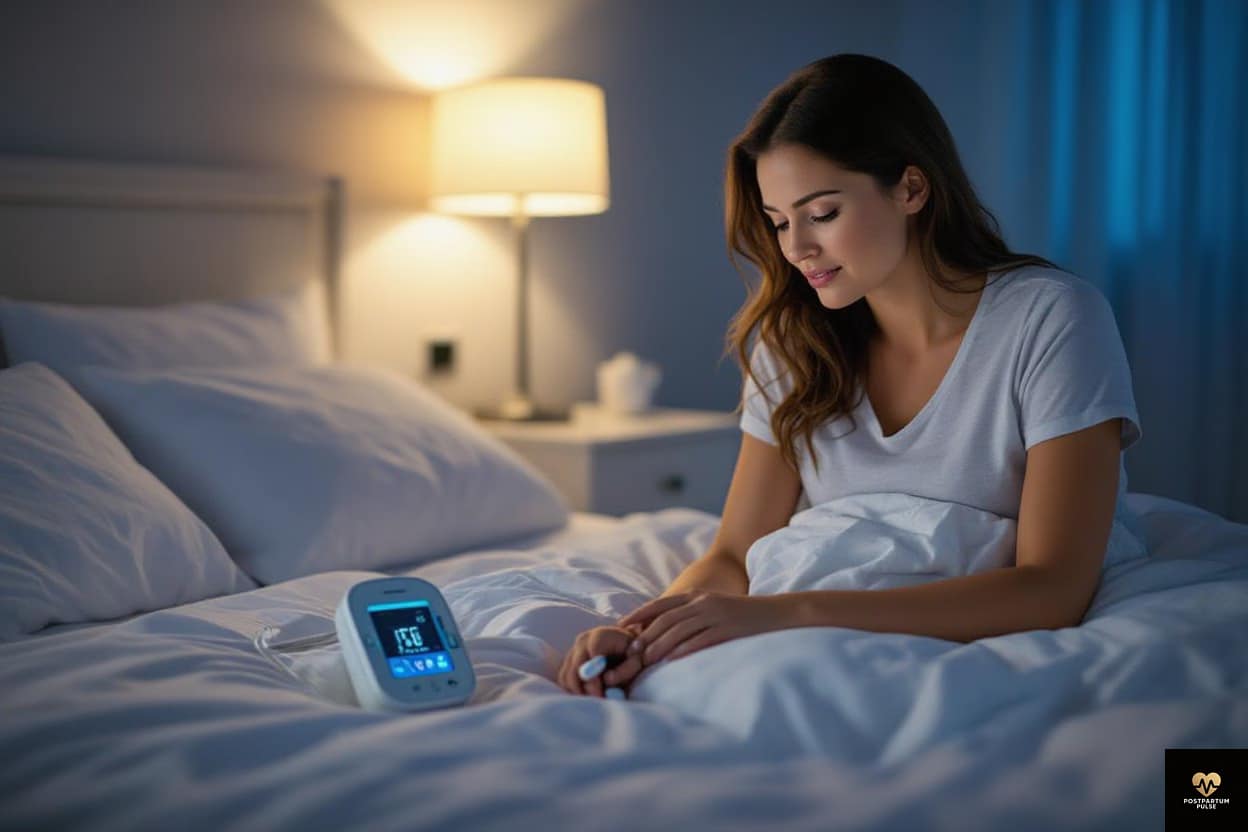
If your postpartum night sweats persist beyond six weeks or are accompanied by unusual symptoms, it’s wise to consult your healthcare provider. Severe night sweats combined with fever, sudden weight loss, or extreme fatigue could signal infections or other medical conditions unrelated to normal postpartum recovery. Monitoring how your body responds over time helps distinguish typical hormonal shifts from warning signs that need prompt attention.
Symptoms That May Indicate a More Serious Condition
Experiencing intense night sweats along with high fever, unexplained pain, or heavy bleeding may suggest infections like endometritis or other complications. If you notice swollen lymph nodes, shortness of breath, or mental confusion alongside postpartum night sweats, seek medical care immediately. These symptoms can indicate more serious conditions requiring timely diagnosis and treatment.
The Importance of Professional Support
Healthcare professionals provide personalized advice that takes your medical history and current symptoms into account, ensuring postpartum night sweats don’t mask underlying problems. Regular follow-ups during postpartum visits offer an opportunity to address any concerns and adjust care plans as needed. Professional support empowers you to navigate recovery with confidence, knowing symptoms are carefully monitored and managed.
Beyond reassurance, professional support helps to identify patterns that may not be obvious to you, such as persistent hormonal imbalances or infections. For example, your provider can recommend blood tests to check thyroid function, or screen for infections contributing to night sweats. This tailored approach not only addresses immediate symptoms but also supports long-term health and well-being during the postpartum period.
Summing up
Summing up, postpartum night sweats are a common experience for many new mothers due to hormonal changes after childbirth. You may find that these episodes can disrupt your sleep and cause discomfort. Understanding that postpartum night sweats are generally temporary can help you manage them more effectively. Simple steps like staying hydrated, choosing breathable sleepwear, and maintaining a cool sleeping environment can ease your symptoms. If your postpartum night sweats persist or are accompanied by other unusual signs, consulting your healthcare provider is advisable to ensure your well-being and recovery.
FAQ
Q: What causes postpartum night sweats?
A: Postpartum night sweats are common and usually happen because of hormonal changes after childbirth. When the levels of pregnancy hormones, especially estrogen and progesterone, drop quickly, the body’s temperature regulation can be affected. This change can lead to sweating during the night as the body tries to adjust. Other factors like breastfeeding, stress, and changes in sleep patterns can also contribute to postpartum night sweats.
Q: How long do postpartum night sweats typically last?
A: Postpartum night sweats generally last for a few weeks to a few months after delivery. For many women, these night sweats improve as hormone levels stabilize and their body adjusts after childbirth. However, the exact duration can vary depending on individual factors such as whether the mother is breastfeeding and her overall health. If postpartum night sweats continue beyond six months or become very severe, it’s a good idea to speak with a healthcare provider.
Q: Are postpartum night sweats harmful to my health or my baby?
A: Postpartum night sweats are usually not harmful to either the mother or the baby. They are a natural response to hormonal changes after birth. While the sweating may cause some discomfort and disrupt sleep, it does not pose a direct health risk. However, staying hydrated is important because frequent sweating can lead to fluid loss. If sweating is accompanied by other symptoms like fever or severe chills, it is important to consult a healthcare professional.
Q: What can I do to manage postpartum night sweats?
A: There are several simple ways to ease postpartum night sweats. Wearing lightweight, breathable clothes and using cotton bedding can help keep you comfortable. Keeping the room cool and using a fan or open window may also reduce sweating. Drinking plenty of water throughout the day helps replace fluids lost from sweating. Some mothers find that avoiding spicy foods, caffeine, or heavy meals before bedtime can reduce night sweats. Practicing relaxation techniques such as deep breathing or gentle stretching may also improve sleep quality.
Q: When should I consult a doctor about postpartum night sweats?
A: You should talk to a doctor if postpartum night sweats are very severe, last longer than six months, or are accompanied by other symptoms like fever, weight loss, or extreme fatigue. These signs could indicate an infection or other medical conditions that require attention. Also, if you have concerns about your sleep patterns or emotional well-being related to postpartum changes, your healthcare provider can offer advice and support.
Recommended Resources
Managing postpartum symptoms like night sweats often requires a holistic approach — from hydration and sleep to movement and mindfulness. If you’re looking for safe, supportive postpartum workouts and wellness tips, Trendle.net offers expert-backed content designed for new moms. It’s a great place to explore yoga and gentle routines as you navigate recovery.