 Skip to content
The Silent Challenge: Identifying Postpartum High Blood Pressure
July 20, 2025

Many women don’t realize that postpartum high blood pressure can develop days or even weeks after delivery, often showing subtle signs like headaches, dizziness, or sudden swelling. More than 10% of new mothers experience elevated blood pressure within six weeks after birth, yet symptoms may be mistaken for normal tiredness or stress. You might feel fine on the surface, but undetected post pregnancy high blood pressure increases risks of serious complications like seizures or stroke. Regular check-ups and tracking your symptoms carefully give you the best chance to catch this silent condition early.

Risk Factors That Elevate Blood Pressure After Birth
Several factors can increase your chances of developing postpartum high blood pressure. These include pre-existing hypertension, being over the age of 35, obesity, and experiencing complications like preeclampsia during pregnancy. Lifestyle elements such as stress and lack of proper rest also play a role.
- History of high blood pressure
- Advanced maternal age
- Obesity
- Preeclampsia or gestational hypertension
- High stress levels
- Poor postpartum care
Knowing these factors helps you spot warning signs and seek timely help for post pregnancy high blood pressure.
Hormonal Changes and Their Impact
Hormonal shifts after delivery greatly affect your blood pressure. The sudden drop in pregnancy hormones like estrogen and progesterone can cause blood vessels to tighten, making your heart work harder. This adjustment period varies but can lead to episodes of postpartum high blood pressure even weeks after giving birth. Recognizing how hormones influence your body gives you an edge in managing post pregnancy high blood pressure effectively.
Pre-existing Conditions: Heart Disease and Beyond
Existing heart problems or kidney disease increase the likelihood of developing postpartum high blood pressure. These conditions put extra strain on your cardiovascular system, which pregnancy already challenges. If you’ve been diagnosed with heart disease, diabetes, or kidney issues, your risk for post pregnancy high blood pressure rises significantly, requiring closer monitoring.
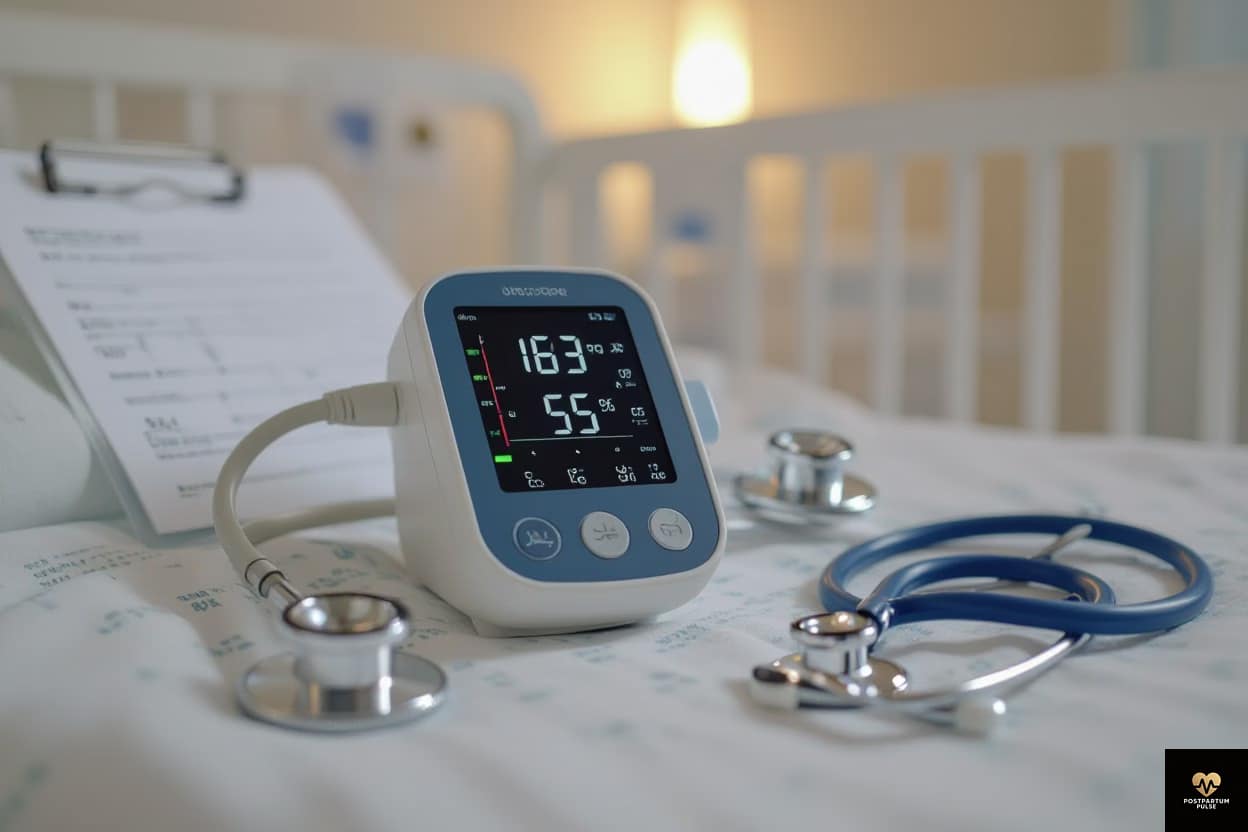
Studies show women with underlying heart conditions face up to three times the risk of complications related to high blood pressure after delivery. For example, someone with chronic hypertension or congenital heart defects may experience worsening symptoms postpartum. Regular check-ups and personalized care plans become vital to prevent dangerous blood pressure spikes. Knowing your medical history allows you and your care team to anticipate problems and act quickly to protect your health.
The Connection Between Stress and Postpartum Hypertension
Stress can significantly affect your risk of developing postpartum high blood pressure. After pregnancy, your body is already working hard to recover, and added stress may trigger or worsen high blood pressure symptoms. Emotional pressures, rapid lifestyle changes, and physical exhaustion all increase your blood pressure, making post pregnancy high blood pressure a greater concern. Monitoring stress levels and finding ways to manage them can lower your chances of complications and help your body heal more smoothly.
Psychological Stressors in New Mothers
You face multiple psychological stressors as a new mother, including anxiety about your baby’s health, changing family dynamics, and pressure to adapt quickly. These worries activate your body’s stress response, raising hormones like cortisol and adrenaline, which constrict blood vessels and increase blood pressure. Studies show that women experiencing high emotional stress during the postpartum period are more likely to develop postpartum high blood pressure, making mental well-being an important part of your recovery process.
The Role of Sleep Deprivation
Lack of sleep intensifies the risk of post pregnancy high blood pressure by disrupting your body’s natural blood pressure regulation. With newborns often waking every few hours, your sleep cycles suffer, leading to persistent fatigue. Research links chronic sleep deprivation to sustained increases in blood pressure, which can worsen hypertension after childbirth. Prioritizing sleep, even in small pockets, helps your body manage these changes and supports healthier blood pressure levels.
Sleep deprivation affects the nervous system by increasing sympathetic nervous activity—the “fight or flight” response—that narrows blood vessels and raises blood pressure. In one study, women with less than five hours of sleep a night after delivery showed a 20% higher incidence of elevated blood pressure compared to those getting seven or more hours. Additionally, poor sleep affects kidney function and hormone balance, both critical for blood pressure control. Managing your sleep isn’t just about rest—it directly influences how your body recovers from postpartum high blood pressure.
Learn more about key health vital checks and recovery timelines in our fourth trimester guide.
Unpacking Symptoms: What to Watch For
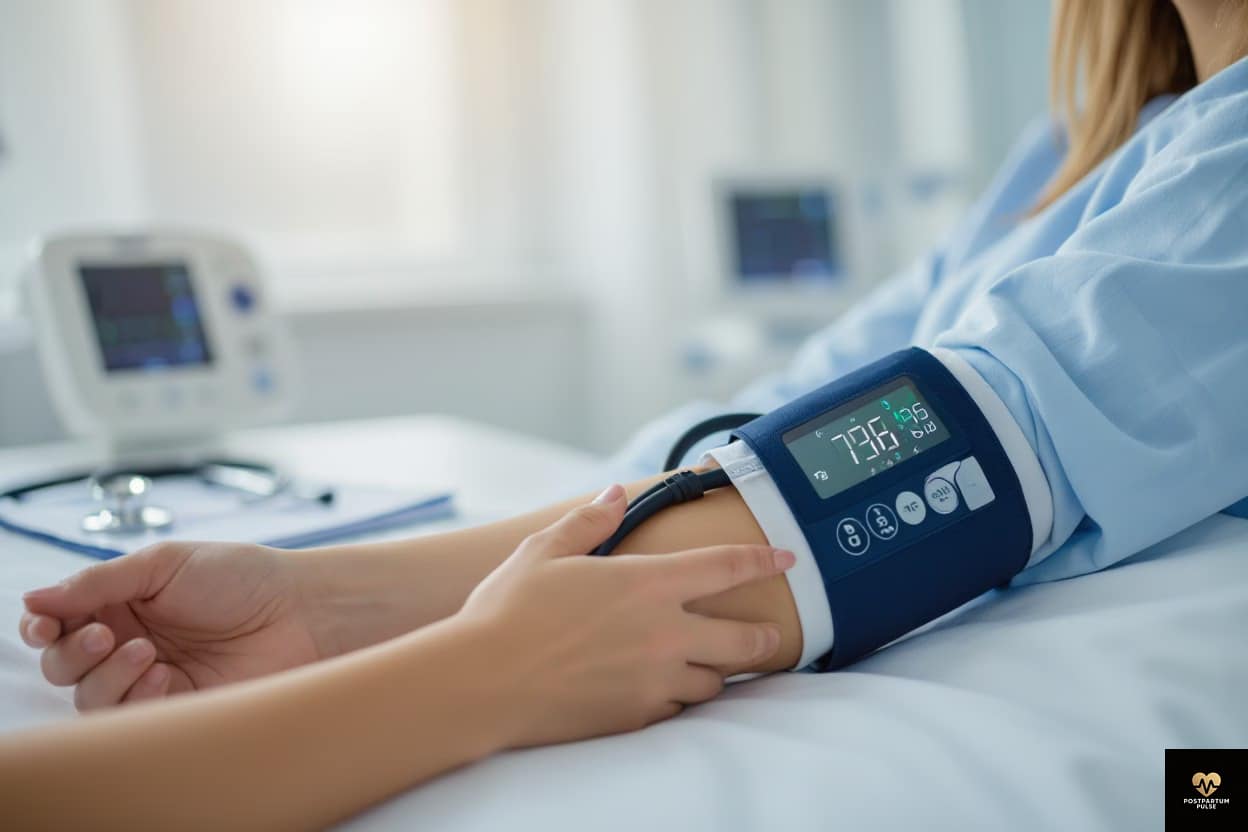
Postpartum high blood pressure can sneak up on you after delivery, often showing signs you might overlook. Pay attention if you experience headaches that won’t go away, blurred vision, or unusual swelling in your hands and face. These symptoms could signal your blood pressure is rising dangerously post pregnancy. Keep track of any chest pain or shortness of breath as well, since these might require immediate care. Understanding these warning signs helps you act swiftly to protect your health during the vulnerable postpartum period.
Recognizing the Signs of Elevated Blood Pressure
If your blood pressure climbs above 140/90 mm Hg after childbirth, you’re dealing with elevated numbers that need monitoring. Symptoms often include persistent headaches, dizziness, or a pounding feeling in your chest. You might also notice nosebleeds or feel unusually fatigued. Noticing these signs early can help you and your care team manage postpartum high blood pressure before it leads to more serious problems like seizures or organ damage.
Emotional and Physical Effects on New Mothers
Postpartum high blood pressure doesn’t just affect your body; it can weigh heavily on your emotions. You could find yourself feeling overwhelmed, anxious, or even depressed, which might make bonding with your baby more difficult. Physical exhaustion from high blood pressure symptoms can deepen these feelings, creating a tough cycle that impacts your overall well-being during this sensitive time.
High blood pressure after pregnancy often disrupts sleep, causes headaches, and leads to persistent fatigue, making daily tasks harder to manage. The stress of managing these symptoms alongside caring for a newborn can increase anxiety and raise your blood pressure further. Some studies show that up to 20% of women with postpartum hypertension report increased rates of postpartum depression and anxiety, linking physical and emotional health closely. Sharing your feelings with your doctor can open doors to support that nurtures both body and mind.
Gentle postpartum yoga can help reduce stress, which in turn supports blood pressure — check our yoga guide.
Effective Management Strategies for New Moms
Dealing with postpartum high blood pressure means taking active steps that fit into your daily routine. Small changes can make a big difference in keeping your numbers in check and reducing risks. Balancing rest with gentle activity, paying attention to what you eat, and keeping an eye on symptoms all contribute to better outcomes. Your approach should feel manageable, avoiding added stress, while staying consistent to support your recovery and long-term health.
Lifestyle Modifications: Nutrition and Exercise
Focusing on a diet rich in fruits, vegetables, whole grains, and lean proteins helps control post pregnancy high blood pressure naturally. Limiting salt intake to under 2,300 milligrams daily can lower blood pressure effectively. Incorporating light exercise, like walking 20-30 minutes most days, boosts circulation and heart health without overwhelming your body. Staying hydrated and avoiding caffeine or heavy alcohol intake also supports better blood pressure control during the postpartum period.
Monitoring and Seeking Professional Help
Keeping track of your blood pressure with a home monitor offers real-time insight into how well your management plan works. If readings consistently hit or exceed 140/90 mmHg, contact your healthcare provider promptly. Any sudden headaches, vision changes, or chest pain warrant immediate medical attention to prevent complications linked to postpartum high blood pressure.
Regular check-ups after delivery allow your doctor to adjust medications or recommend additional tests like kidney function or heart evaluations, especially if blood pressure remains elevated past six weeks postpartum. Sharing your home readings provides a fuller picture and helps tailor your treatment. Early intervention can prevent serious conditions such as postpartum preeclampsia or stroke, making vigilance and timely professional support a key part of your recovery journey.
An at-home blood pressure cuff is a smart addition to your postpartum essentials kit.
Perspectives on Long-term Health Outcomes
Experiencing postpartum high blood pressure can signal ongoing risks that extend well beyond the initial recovery period. If your blood pressure remains elevated after childbirth, it may increase your chance of developing heart disease or kidney problems later in life. Studies show women with post pregnancy high blood pressure are nearly twice as likely to face cardiovascular issues within 10 years. Tracking your blood pressure and maintaining follow-up care gives you the best chance to prevent these serious long-term effects and safeguard your overall health.
The Implications of Untreated Hypertension
Leaving postpartum high blood pressure untreated puts significant strain on your heart and arteries, raising the risk of stroke, heart attack, and kidney damage. Even subtle, unnoticed increases can quietly cause damage over time. Research suggests that as many as 20% of women with post pregnancy high blood pressure don’t receive timely treatment, leading to avoidable complications. Addressing hypertension early supports your body’s recovery and reduces the chances of future health setbacks.
Future Health Issues Related to Postpartum Blood Pressure
Postpartum high blood pressure can be an early warning for future conditions like chronic hypertension and metabolic syndrome. Without proper management, you might face elevated risks for diabetes and obesity, which further stress your cardiovascular system. Between 30-40% of women with post pregnancy high blood pressure develop chronic hypertension within five years. Early lifestyle changes and medical care help lower those risks and protect your long-term wellness.
Diving deeper into future risks, studies reveal a clear connection between postpartum high blood pressure and persistent hypertension, especially in women who had preeclampsia or gestational hypertension during pregnancy. This ongoing high blood pressure prompts arterial stiffness and increases the workload on your heart. Additionally, your risk for stroke doubles compared to those without postpartum hypertension. Monitoring your blood pressure regularly, adopting a heart-healthy diet, and staying active are practical steps to reduce these threats and improve your outlook over time.
FAQs
-
What is postpartum hypertension?
Postpartum hypertension is high blood pressure that develops after childbirth, often peaking 3–6 days later. It can happen even if you had normal blood pressure during pregnancy. Untreated, it can raise risks of stroke, heart issues, and more. -
How common is high blood pressure after birth?
About 1 in 10 new moms experience postpartum hypertension, and nearly 25% of those cases emerge after the usual 6-week checkup — making home monitoring essential. -
What symptoms should I watch for?
Watch for headaches, vision changes, severe swelling, chest pain, or sudden weight gain. But sometimes there are no symptoms, which is why regular BP checks matter. -
When is it postpartum preeclampsia?
If high blood pressure is paired with protein in urine, headaches, or vision issues up to 6 weeks post-birth, it might be postpartum preeclampsia—a serious condition needing urgent care. Postpartum preeclampsia can develop up to six weeks after birth and may include severe headaches or vision changes. Learn about the symptoms and risks in this Mayo Clinic guide on postpartum preeclampsia. -
How is high BP treated after childbirth?
Mild cases may need lifestyle shifts (less salt, more rest), while more severe levels require medications like labetalol or nifedipine — all safely usable with breastfeeding under medical guidance.