 Skip to content
Postpartum Massage: The Secret to Faster Healing, Better Sleep & Less Stress
August 31, 2025

Many of you will find postpartum massage can ease muscle pain, reduce stress, and support recovery after childbirth; this introduction explains how sessions work, when to seek one, simple safety tips, and what to expect in the full article, including clear FAQs so you can make informed choices about your care and comfort.
Key Takeaways:
- Postpartum massage eases muscle pain and tightness after birth. Gentle pressure helps back, neck, and shoulder soreness.
- Postpartum massage improves circulation and lowers swelling. Better blood flow supports physical recovery.
- Postpartum massage reduces stress and lifts mood. It can help you sleep and feel calmer with your baby.
- Postpartum massage can support breastfeeding by easing chest tightness and helping clogged ducts. Talk to your provider if you have fever or signs of infection.
- Postpartum massage is safest with a trained therapist and after medical clearance. Wait for your provider’s OK—especially after a C-section or if you have health concerns.
FAQs
- When can I start postpartum massage? Ask your doctor. Many people begin within 1–2 weeks after a normal birth or when cleared by their provider.
- Is postpartum massage safe after a C-section? Often yes, but only after the incision heals and your doctor approves.
- How long are sessions? Sessions are usually 30–60 minutes. Shorter sessions are helpful at first.
The Healing Power of Touch: Why Postpartum Massage Matters
Postpartum massage helps you recover by easing muscle tension, reducing swelling, and improving circulation after childbirth. Sessions of 30–60 minutes, once or twice a week, can speed tissue healing and relieve back, neck, and pelvic pain. You may notice better sleep and easier breastfeeding as oxytocin and relaxation increase. Choosing a therapist trained in postpartum techniques ensures scar-safe work after cesarean and gentle pelvic-floor support.
Physiological Benefits: Recovery and Restoration
Postpartum massage targets sore areas like the lower back, shoulders, and hips to reduce pain and stiffness while improving blood flow to healing tissues. Gentle scar mobilization and myofascial release can soften adhesions after cesarean, and lymphatic techniques help reduce postpartum swelling. Typical plans use 30–60 minute sessions once or twice weekly for 4–8 weeks, adapting pressure for your comfort and any medical restrictions from delivery.
Emotional and Psychological Impact: Nurturing New Mothers
Massage lowers cortisol and raises calming neurotransmitters, helping you feel less anxious and more connected to your baby. Short, regular sessions—20–45 minutes—can reduce mood swings, support sleep, and complement therapy for postpartum depression or anxiety. Partner or family-assisted massage also boosts bonding and shares caregiving roles, giving you practical emotional relief during the early weeks.
Practical steps amplify these benefits: ask for slow, rhythmic techniques and a quiet, dim room to promote oxytocin release; combine massage with breathing exercises to extend relaxation between sessions. Track changes in sleep, mood, and pain over 2–4 weeks to spot improvements. If you have signs of moderate to severe depression, use postpartum massage alongside professional mental-health care rather than as a sole treatment; therapists trained in postpartum care can coordinate safely with your provider. Read more here.
Just as postpartum massage helps reduce stress and improve sleep, managing postpartum night sweats can also make a big difference in your emotional comfort
Techniques that Transform: What to Expect from Postpartum Massage
Expect sessions of 45–60 minutes focusing on areas that changed during pregnancy: lower back, hips, shoulders, and belly. Therapists blend lymphatic drainage to reduce swelling, myofascial release to ease tightness, and gentle abdominal work for diastasis recti support. You may notice reduced breast and shoulder tension after 1–3 sessions and better sleep within two weeks. Clear communication about pain, sleep patterns, and feeding helps tailor each postpartum massage to your recovery goals.
Specialized Approaches Tailored for New Mothers
Therapists adapt techniques based on delivery type and symptoms: after vaginal birth, perineal massage and pelvic-floor awareness can ease tenderness; after cesarean, scar mobilization usually starts around 6 weeks with your provider’s OK. You’ll often get positioning to protect nipples during breastfeeding and short breaks for feeding. Many clinics offer a 4–6 week plan combining weekly sessions plus home stretches to speed return of core strength and reduce pain.
Massage Modalities: From Swedish to Deep Tissue
Swedish massage uses long, soothing strokes to promote relaxation and improve circulation, often chosen in early postpartum sessions; myofascial release targets connective tissue tightness that limits mobility; lymphatic drainage focuses on edema and fluid balance, and deep tissue addresses persistent knots and chronic muscle layers. Therapists usually start light and increase pressure over several sessions so you can track comfort and healing during postpartum massage.
Specific choices depend on your goals: if breastfeeding causes tight neck and shoulder bands, targeted deep pressure for 5–10 minutes per side can break up trigger points; for swollen ankles, 10–15 minutes of proximal-to-distal lymphatic work reduces fluid more effectively than general rubbing. You should expect therapists to document baseline pain scores and range of motion so progress—often measurable within 2–4 visits—can guide modality adjustments.
Embedding Massage into Postpartum Care: Holistic Healing Practices
Integrating Massage with Other Non-invasive Therapies
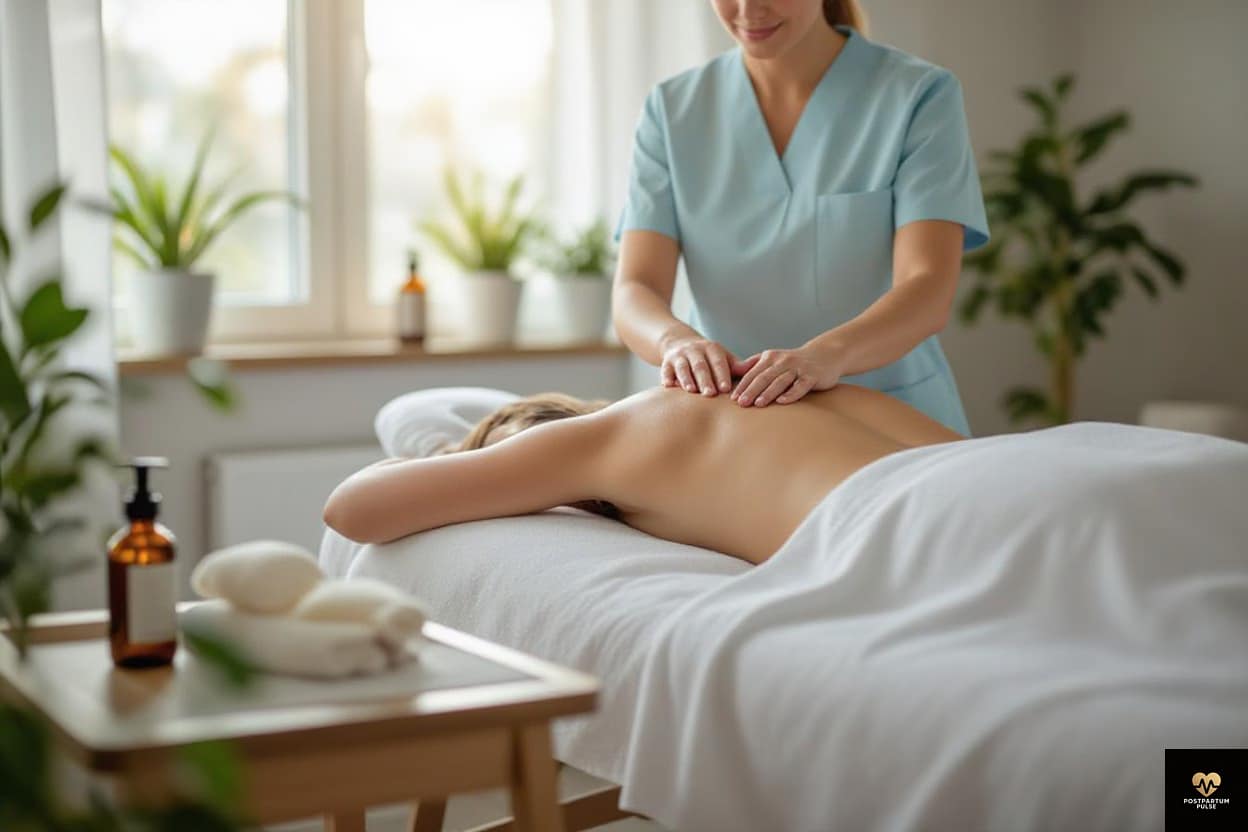
Pair postpartum massage with pelvic‑floor physiotherapy, lactation consultation, guided breathing, gentle yoga, or lymphatic drainage to address pain, swelling, and sleep loss together. Many therapists offer gentle sessions within 48–72 hours after vaginal birth and wait for provider clearance (often ~6 weeks) before deeper abdominal work after C‑section. For example, weekly 45‑minute sessions plus pelvic‑floor rehab often ease hip pain and improve sleep within four weeks.
Postpartum massage can support emotional wellbeing and reduce swelling—but awareness of contraindications (like complications or risk factors) is key to safe care.
If emotional overwhelm starts to feel unmanageable, combining massage with evidence-based therapies—like those discussed in our guide on postpartum OCD—can be incredibly powerful
Creating a Personalized Postpartum Care Plan
Map goals you can measure—pain on a 0–10 scale, one more hour of sleep, eased breastfeeding discomfort—and set steps to hit them. Start with 30–60 minute postpartum massage sessions weekly for the first six weeks, add home self‑care (heat packs, gentle stretches), and involve your provider and pelvic‑floor therapist to time abdominal or scar work appropriately.
Sample timeline: week 1–2 focus on lymphatic drainage and shoulder/neck relief with 30‑minute sessions; weeks 3–6 introduce scar desensitization or abdominal work if cleared; after 6 weeks move to biweekly maintenance and targeted pelvic‑floor integration. Track progress weekly, adjust frequency based on pain scores and sleep, and include partner help for at‑home comfort techniques.
Navigating the Postpartum Journey: Finding Qualified Practitioners
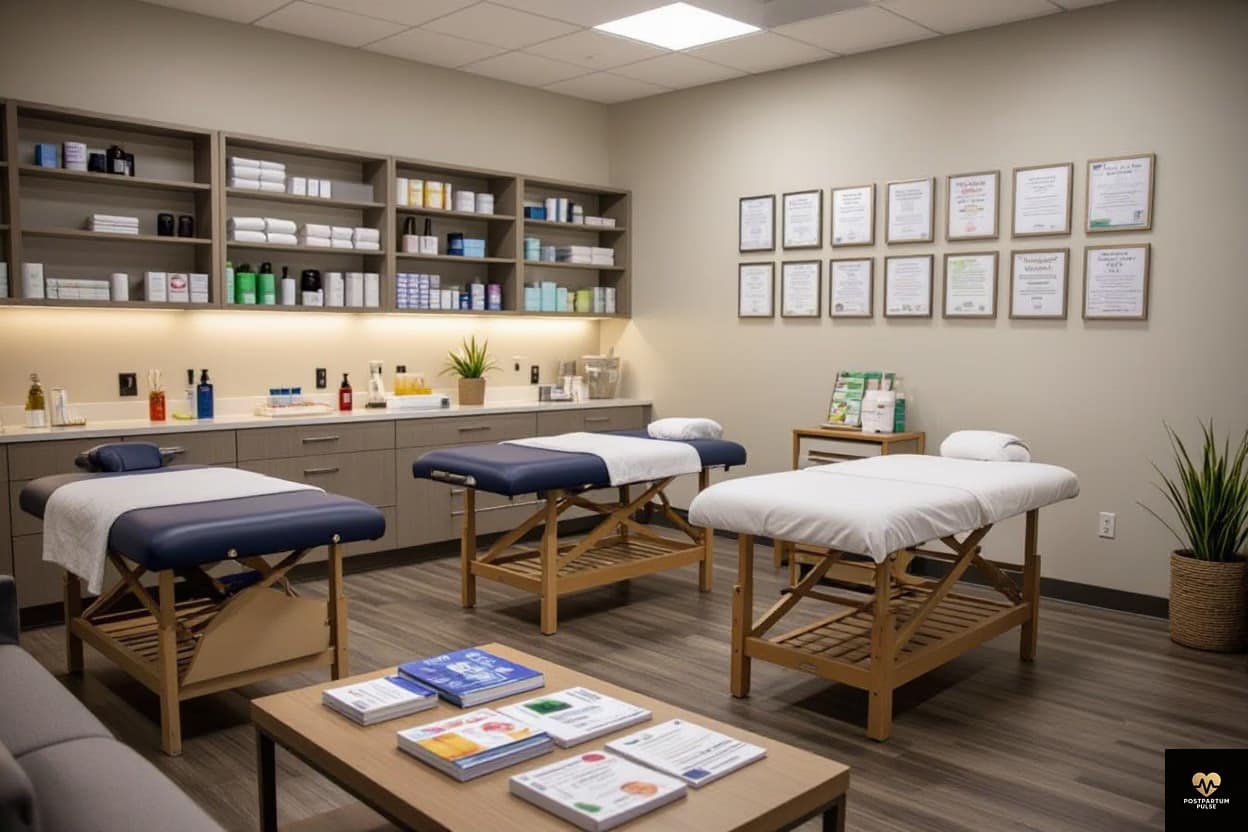
Seek a Licensed Massage Therapist (LMT) who carries perinatal/postpartum certification and specific experience with postpartum massage. Ask about completed training hours (look for 12+ hours of focused study), work with cesarean scars and pelvic-floor referrals, availability for home visits, session length (typically 60–90 minutes), and whether they coordinate with your OB or pelvic-health provider. Request client references or reviews and confirm clean-slate policies for infant presence and infection control.
What to Look for in a Postpartum Massage Therapist
Prioritize credentials, hands-on experience, and practical skills: LMT licensure, perinatal/postpartum coursework, and demonstrated work with vaginal and C-section recoveries. Verify scar-tissue techniques, gentle lymphatic drainage, and awareness of DVT and breastfeeding accommodations. Ask how they adapt positioning for tenderness, breastfeeding, or pelvic instability, and whether they offer follow-up care plans or pelvic-floor referrals based on your needs.
Questions to Ask During Your Initial Consultation
Ask about their perinatal training, number of postpartum clients treated, experience with C-section scar work, session length and frequency recommendations, contraindications, home-visit options, fees and insurance billing, COVID/illness policies, infant presence rules, and how they communicate with your medical providers. Also request a brief intake form and emergency procedures.
Look for clear, specific answers: a strong candidate will cite perinatal certifications, describe typical 60–90 minute sessions and a 4–6 session starter plan, explain scar-release precautions and when to defer to medical clearance, and offer documented intake and consent processes. Expect them to outline pain-scale use, post-session self-care, and referrals for pelvic-floor therapists or lactation consultants when needed.
Real Stories, Real Benefits: Testimonials from New Mothers
Success Stories: How Massage Changed the Postpartum Experience
You read firsthand accounts: after three 45-minute postpartum massage sessions many mothers reported sleeping in 3–4 hour stretches, reduced low-back pain, and faster return to light exercise. One client regained confidence lifting her baby after two weeks of weekly sessions, while another paired massage with pelvic-floor rehab and cut her recovery timeline from six months to about three.
Common Concerns and Feedback: What Mothers Are Saying
Questions you likely have include safety with stitches, timing after delivery, soreness and cost. Many mothers find therapists start between 2–6 weeks postpartum, sessions run 45–60 minutes, and mild soreness lasts 24–48 hours. Most report relief from nursing-related neck and shoulder tension, while some request gentler pressure or targeted scar work.
Therapists trained in postpartum massage adapt techniques for you: they avoid deep abdominal work until cleared, use gentle lymphatic strokes to reduce swelling, and apply light pressure around cesarean scars. If you have blood clots, uncontrolled hypertension, or an active infection your therapist will recommend medical clearance. Communicate pain levels, feeding times, and goals so each session supports your recovery and breastfeeding needs.
To wrap up
Drawing together the benefits of postpartum massage, you can ease muscle tension, reduce stress, and support healing after birth. You should look for a trained therapist, communicate your needs, and pace sessions to your energy level. Use it alongside rest, gentle movement, and medical care to help your recovery. For FAQs, consult your provider or trusted sources to answer your specific concerns.
FAQ
Q: What is postpartum massage?
A: Postpartum massage is a gentle body massage given after childbirth. It helps the body relax, eases sore muscles, and supports recovery from pregnancy and birth.
Q: What are the benefits of postpartum massage?
A: Postpartum massage can reduce back and neck pain, lower stress, help with swelling, improve sleep, and support mood. It can also ease tight shoulders from holding and feeding the baby.
Q: When can I get a postpartum massage after giving birth?
A: For most people, gentle massage can start a few days to weeks after birth if there are no problems. If you had a C-section or any complication, wait until your doctor says it is okay. Always check with your healthcare provider before starting.
As Healthline notes, massage is most effective when timed appropriately, typically within the first 12 weeks postpartum, and always with medical guidance.
Q: Is postpartum massage safe while breastfeeding or after a C-section?
A: Yes, postpartum massage can be safe while breastfeeding. Sit or lie in a comfortable position so feeding is easy. After a C-section, avoid pressure on the incision until it is fully healed and your doctor gives approval. Tell the therapist about breastfeeding and any surgery so they can adjust the massage.
Q: How do I find a good therapist and what should I tell them?
A: Look for a licensed massage therapist with experience in postpartum care. Ask about training, client reviews, and what techniques they use. Tell them about your birth, any pain, medications, high blood pressure, blood clots, or if you are breastfeeding. Clear communication helps make the postpartum massage safe and helpful.