 Skip to content
Postpartum Diet: Powerful Nutrition Tips for Faster Healing & Energy
March 4, 2026
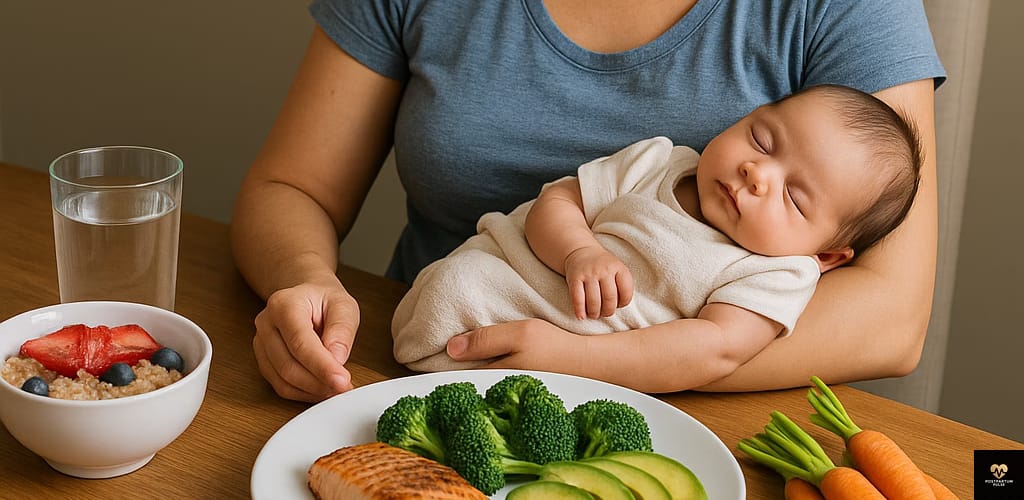
Table of Contents
- Key Nutrients for Your Postpartum Recovery Journey
- Nourishing Your Body: Recommended Postpartum Foods for Healing and Energy
- Hydration for Your Postpartum Recovery and Breastfeeding Journey
- Foods to Gently Limit or Avoid During Your Postpartum Journey
- Supporting Milk Supply Through Your Diet
- Recommended Dietary Supplements for Postpartum Recovery
- Your Postpartum Nutrition Questions, Answered with Care
A well-balanced postpartum diet plays a powerful role in how you feel during early recovery. The right postpartum diet helps replenish depleted nutrients, stabilize hormones, and support steady energy levels throughout the day. Whether you are breastfeeding or focusing on your own healing, a nutrient-dense postpartum diet rich in protein, iron, healthy fats, and fiber can make a noticeable difference in your strength and overall well-being. By prioritizing a thoughtful postpartum diet, you are actively supporting tissue repair, immune health, and long-term vitality during this important phase of motherhood.
This journey into motherhood is truly incredible, and we know you are doing so much for your little one. As you pour your love and energy into newborn care, it is also wonderfully important to remember to nurture yourself. Your body has just accomplished something extraordinary, and now it needs gentle care and the right fuel for postpartum recovery, healing, and sustained energy. We are here to support you in finding the best postpartum diet that feels good and helps you thrive.
Related Video
Postpartum Nutrition with Maranda Bower of Postpartum University
During the postpartum period, your body is actively working to heal and restore itself after pregnancy and childbirth. This profound healing requires a rich supply of nutrients. Think of it as replenishing your internal reserves.
A nutrient-rich, balanced diet rich in healthy fats, proteins, and fiber to support hormone production and regulation is also vital during this time.
Studies consistently show that both iron and vitamin D are incredibly important for both tissue repair and maintaining a robust immune system during this precious time. Prioritizing these nutrients can make a significant difference in your overall postpartum healing.
Expert Insight
“Your body has done the amazing feat of growing a brand new human being and its work is not done yet; nutrient needs are actually higher during early postpartum to replenish reserves, repair tissues, and support the nutritionally expensive task of breastfeeding.” (Lily Nichols, RDN and Postpartum Nutrition Expert)
Key Nutrients for Your Postpartum Recovery Journey
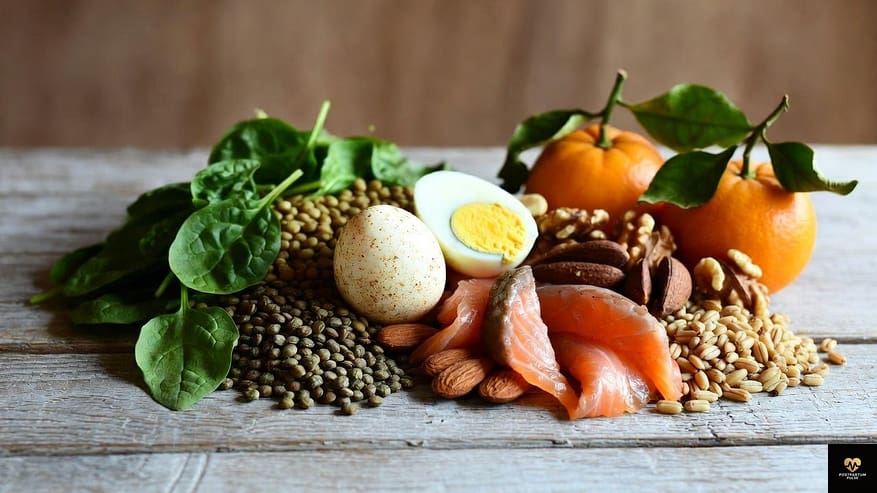
To truly support your body’s amazing healing process, certain nutrients rise to the forefront. We want to highlight the importance of iron, choline, fatty acids, protein, healthy fats, iodine, selenium, and zinc. These nutrients are essential for tissue repair and for maintaining your energy levels. It is quite remarkable how similar these postpartum requirements can be to your needs during pregnancy, underscoring their ongoing importance for your well-being and postpartum healing.
Postpartum nutritional needs for healing are significant, requiring you to replenish essential iron, vitamins, minerals, and crucial nutrients like zinc, vitamin D, and fatty acids. Studies show that nutrition: eat balanced meals rich in iron and vitamins to are vital for tissue repair and immune health during the postpartum period, helping you regain strength and vitality.
Essential Nutrients and Their Roles
| Nutrient | Why it Matters for Postpartum | Food Sources |
|---|---|---|
| Iron | Crucial for replenishing blood stores, combating fatigue, and supporting energy levels. Iron deficiency can significantly impact your energy. | Lean protein (beef, chicken), lentils, spinach, fortified cereals |
| Choline | Supports brain health for both mom and baby (especially if breastfeeding). | Eggs, beef liver, salmon, soybeans |
| Fatty Acids (Omega-3s) | Essential for brain development in baby, reducing inflammation, and supporting maternal mood. | Fatty fish (salmon, sardines), flaxseeds, chia seeds, walnuts |
| Protein | Vital for tissue repair, muscle recovery, and maintaining energy. Also supports milk supply. | Lean meats, poultry, fish, beans, lentils, nuts, seeds, dairy |
| Vitamin D | Supports bone health, immune function, and mood regulation. | Fatty fish, fortified milk/cereals, sunlight exposure, supplements |
| Zinc | Important for immune function and wound healing. | Red meat, poultry, beans, nuts, whole grains |
Incorporating these essential nutrients into your postpartum meals will significantly aid your recovery. Think about nutrient density when planning your healthy eating and meal planning. Prioritizing foods rich in these components will help you maintain sustained energy and support overall postpartum recovery.
When considering your breastfeeding nutrition, remember that a balanced diet rich in these nutrients also directly contributes to the quality of your milk supply, offering immense breastfeeding benefits. This is a time to nourish yourself fully, supporting both your healing and your newborn care.
Expert Insight
“Creating a human takes a toll on women’s bodies. Sometimes we don’t give ourselves enough love or patience about that… I knew in myself that actually what I needed was space and time to adapt to all the different roles that had come my way.” (Expert Consensus on Postpartum Recovery)
Nourishing Your Body: Recommended Postpartum Foods for Healing and Energy

As you embrace the beautiful journey of postpartum recovery, choosing foods that are truly nutrient-dense and easily digestible can make a world of difference. Your body has given so much, and now it deserves gentle, consistent nourishment. Experts consistently recommend incorporating a variety of whole foods to support your healing and energy levels.
Think about embracing foods like fish, chicken, and plant-based proteins such as beans and legumes. Vibrant leafy greens, berries, and whole grains like oats provide essential fiber and vitamins. Healthy fats found in avocados, nuts, and seeds are wonderful for sustained energy. Don’t forget the power of probiotics in yogurt, kefir, and even kimchi, which can support gut health during this important postpartum period. Additionally, ensure you’re focusing on hydration and fiber-rich foods in your postpartum diet.
For those incredible mamas who are breastfeeding, increasing your intake of protein and healthy fats is especially important. This supports not only a healthy milk supply but also your own energy levels. Focusing on a balanced diet with these nutritious staples helps you feel stronger, more vibrant, and ready for the demands of newborn care.
Hydration for Your Postpartum Recovery and Breastfeeding Journey

Dear mama, staying wonderfully hydrated is truly foundational for your postpartum recovery and for supporting your breastfeeding nutrition. As you navigate newborn care and embrace the postpartum period, your body’s need for fluids increases significantly.
Experts consistently recommend aiming for around 12 cups (approximately 96 ounces) of non-caffeinated fluids daily. Water is always a beautiful choice, and herbal teas or electrolyte drinks can also be very beneficial. Remember, proper hydration is essential for healing, for maintaining your milk supply, and for keeping your overall energy levels steady.
Listen gently to your hunger cues and thirst signals; they are your body’s wise way of communicating its needs. Prioritizing your hydration needs is a simple yet powerful act of self-care that profoundly impacts your sustained energy and overall well-being during this special time.
Related Video
Postpartum Nutrition with Ryann Kipping – YouTube
Foods to Gently Limit or Avoid During Your Postpartum Journey
While focusing on wonderful, nourishing foods, it is also truly helpful to be mindful of certain items that might not best support your postpartum healing and sustained energy. We want to empower you to make choices that nurture your body as it recovers and adapts to newborn care.
Many experts suggest gently reducing your intake of highly processed foods, sugary snacks, fried foods, and products made with white flour. These items can sometimes lead to energy crashes and may not provide the nutrient density your body truly needs during this precious postpartum period.
When it comes to caffeine intake and alcohol, it is generally advised to minimize them, especially during the initial postpartum months. Lucy Chapin, a lactation consultant, often highlights their potential impacts on your baby and your own sleep quality. Being gentle with your body includes being mindful of food triggers that might cause discomfort or impact your breastfeeding nutrition.
“Your postpartum body has unique needs. Focus on nutrient density and gentle nourishment. Every bite is an act of self-care.” (Yvette Hill, Registered Dietitian, Vermont)
Supporting Milk Supply Through Your Diet

If you are on a breastfeeding journey, your diet truly plays a significant role in supporting that precious milk production. It is a beautiful exchange of nutrients, and we want to ensure you feel well-fueled for it.
One of the key strategies for breastfeeding nutrition is to increase your intake of protein and healthy fats. Many trusted sources gently suggest that an extra 330-400 calories per day is often recommended to support your milk supply. Remember, these caloric needs can vary wonderfully from person to person, so listening to your unique hunger cues is absolutely paramount.
Embracing a balanced diet rich in whole grains, lean protein, and fiber-rich foods will help ensure you have the sustained energy and essential nutrients needed for both you and your little one. Think of nutritious staples like oats, lean meats, and plenty of colorful vegetables to keep your energy levels steady.
For optimal breastfeeding benefits and postpartum recovery, focus on nutrient density. This means choosing foods that pack a lot of goodness into every bite. Healthy fats, such as those found in avocados, nuts, and seeds, are not only great for your energy but also contribute to the quality of your milk. Similarly, lean protein sources like chicken, fish, and legumes are vital for tissue repair and your overall well-being during this postpartum period.
Don’t forget the power of meal planning and meal prep! Having healthy snacks and easy-to-grab postpartum meals ready can be a game-changer when you’re navigating newborn care. Consider preparing freezer meals before your baby arrives, or ask for help with batch cooking from loved ones. This can make healthy eating much more accessible and reduce stress.
Remember, hydration is also incredibly important for supporting milk supply. We will delve deeper into this soon, but for now, know that drinking plenty of water throughout the day is a simple yet powerful way to support your body’s amazing work.
Recommended Dietary Supplements for Postpartum Recovery
Even with the most thoughtful postpartum meals and a strong focus on healthy eating, your body might still appreciate a little extra support during this incredibly demanding postpartum period. Continuing your prenatal vitamins, or switching to a high-quality postnatal vitamin, can be wonderfully helpful as you navigate newborn care and prioritize your own postpartum recovery.
We understand that every mama’s journey is unique, and discussing specific supplements with your healthcare provider is always a gentle, proactive step. For instance, you might want to explore supplements like iron, Vitamin D, or Omega-3 fatty acids, especially if you suspect an iron deficiency or have certain dietary restrictions. These can truly help fill any nutritional gaps and support your energy levels and overall well-being.
Many trusted sources highlight that postpartum nutritional needs for healing involve replenishing vital nutrients. Studies show that iron and Vitamin D are particularly crucial for tissue repair and immune health during this time. These supplements can play a significant role in your postpartum healing journey and maintaining your much-needed sustained energy.
For those on a breastfeeding journey, your body’s demands are even higher. The Breastfeeding benefits are immense, and ensuring you have adequate levels of fatty acids, choline, and iodine, as well as protein and healthy fats, is essential for both your health and supporting your milk supply. Consulting with a professional, perhaps even through virtual postpartum care, can provide personalized guidance.
Your Postpartum Nutrition Questions, Answered with Care

As you embrace the beautiful chaos of newborn care, it is completely normal to have questions about how best to nourish yourself. We understand that this postpartum period comes with unique needs, and we are here to offer gentle guidance and support for your postpartum nutrition journey.
What are the most crucial nutrients for postpartum recovery?
Postpartum recovery requires a focus on nutrient density to help your body heal and replenish after childbirth. Key nutrients include iron for energy and to prevent deficiency, choline for brain health, Omega-3 fatty acids for mood and inflammation reduction, protein for tissue repair, vitamin D for immune function and bone health, and zinc for immune support and healing. These nutrients are essential for sustained energy and overall well-being during this important time.
How much water should I drink while breastfeeding?
Hydration is absolutely key, especially if you are breastfeeding. We recommend aiming for around 12 cups (approximately 96 ounces) of non-caffeinated fluids daily. Think of water, herbal teas, and even electrolyte drinks. Staying well-hydrated not only supports your milk supply but also helps maintain your energy levels, aiding in overall postpartum recovery. Listen to your hunger cues and thirst signals; your body is wonderfully intuitive.
Can certain foods help with postpartum mood?
Absolutely, your diet can profoundly impact your mood and energy levels during the postpartum period. A balanced diet, rich in whole grains, lean protein, and plenty of fiber-rich fruits and vegetables, can make a significant difference. Healthy fats, like those found in fatty fish, avocados, and nuts, provide essential fatty acids that are beneficial for mental well-being. Additionally, B vitamins found in various whole foods are known to support neurological health. Focusing on nutritious staples can truly uplift your spirit and provide sustained energy as you navigate the demands of newborn care.
Is it okay to have caffeine after giving birth?
We understand that a little caffeine might feel like a much-needed boost during this demanding time. While generally considered safe in moderation, it is often advised to minimize caffeine intake, especially during the initial postpartum months, and particularly if you are breastfeeding. High caffeine intake can potentially affect your baby and might disrupt your own precious sleep patterns. It is always a good idea to chat with your healthcare provider for personalized advice on caffeine intake and any other food triggers you might be concerned about.
What are some easy, one-handed postpartum meals?
Oh, we totally get it! When you are holding your little one, one-handed meals become your best friend. Meal planning and meal prep can be lifesavers here. Think about nutritious staples like energy bites, breakfast burritos, smoothies packed with fruits and greens, yogurt and granola bowls, hard-boiled eggs, nuts, and pre-cut fruits and vegetables. Freezer meals are also a fantastic idea, allowing you to simply heat and eat. These healthy snacks and easily accessible postpartum meals are perfect for providing quick, nutritious fuel when you are busy with newborn care and need sustained energy without the fuss.
Understanding Postpartum Nutritional Needs for Healing
Your body has truly been through an incredible journey, and supporting its healing process is paramount. Postpartum nutritional needs are significant, requiring you to replenish vital nutrients lost during pregnancy and childbirth. This includes a focus on iron to combat fatigue and iron deficiency, essential for tissue repair. Additionally, zinc, vitamin D, and a variety of minerals are crucial for immune function and overall postpartum healing. Think of your diet as a gentle way to nourish every cell, helping you feel strong and vibrant for yourself and your baby. Baylor Scott & White Health emphasizes the importance of these nutrients for comprehensive recovery.
Recommended Postpartum Foods for Optimal Well-being
Choosing the right foods can make a world of difference in your postpartum recovery and breastfeeding nutrition. We encourage you to focus on nutrient-dense, easily digestible options. Consider incorporating lean protein sources like fish and chicken, along with plant-based proteins such as beans and legumes. Berries, leafy greens, and oats are wonderful sources of vitamins and fiber. Healthy fats from avocados, nuts, seeds, yogurt, kefir, and even fermented foods like kimchi can support gut health and provide sustained energy. For breastfeeding mothers, increasing protein and healthy fats is essential to support milk supply, often requiring an extra 330-400 calories per day.
Foods to Limit or Gently Avoid During the Postpartum Period
While the focus is always on what wonderful foods you can embrace, it is also helpful to be mindful of certain food triggers or items that might not serve your postpartum healing and energy levels as well. Competitors on platforms like The Bump and YouTube often advise reducing intake of highly processed foods, white flour, sugary snacks, fried foods, excessive cheese, and processed meats. These can contribute to inflammation and energy crashes. Minimizing caffeine and alcohol, especially during the initial postpartum months, is also a gentle recommendation due to their potential impact on your baby and your own sleep patterns.
Meal Planning and Prep Strategies for Busy Mamas
Finding time for healthy eating with a newborn can be challenging, making meal planning and prep essential for postpartum nutrition. Batch cooking healthy meals can create staples for several days, while prepping snacks like muffins, egg bites, and smoothies saves time. Involving family in meal preparation fosters support, and having pre-cut fruits and vegetables on hand simplifies healthy eating, helping to maintain energy levels during the postpartum period.