 Skip to content
Top Postpartum Abdominal Exercises for Faster Core Recovery
November 29, 2025

Why Do Postpartum Ab Exercises Matter?
Instead of letting your core stay weak and wobbly, postpartum ab exercises help you rebuild strength where you need it most. You use your core every time you lift the car seat, push the stroller, or get out of bed at 3 a.m., so training it makes daily life feel easier and safer. When you focus on the best postpartum abdominal exercises, you support your back, protect your pelvic floor, and slowly flatten that postpartum belly in a way that actually lasts.
What Happens to Your Body After Baby?
During pregnancy your abs stretch, your ribs widen, and your pelvis tilts forward, so after birth everything feels a bit out of place. You might notice coning down the middle of your stomach, a soft bulge, or low back aches when you stand too long. Gentle postpartum belly exercises help your muscles reconnect, reduce that “pooch” look from diastasis recti, and guide your body back toward a stronger, more supported posture, step by step.
The Mental Benefits of Working Out
While your goal might start with a flatter tummy, those short sessions of postpartum ab exercises also give your mind a much-needed reset. Even 10 minutes of the best postpartum abdominal exercises can boost your mood, lower stress hormones, and help you sleep a bit better when you finally get the chance. You feel more like yourself again, which can make the long, messy days of newborn life feel a little lighter.
Some moms notice that a simple 5-minute core routine on the floor beside the crib does more for their mood than scrolling social media for half an hour. Because when you move, your brain releases feel-good chemicals like endorphins and serotonin, which can ease baby blues and mild anxiety. Adding in focused breathing with your postpartum stomach exercises also calms your nervous system, so your heart rate settles and racing thoughts slow down. And as you get stronger, you start seeing tiny wins – lifting the stroller without wincing, standing taller in photos, feeling steady when you carry the car seat – and that steady progress quietly builds your confidence from the inside out.
Hormonal changes affect recovery, energy, and muscle engagement. This link adds helpful context and supports holistic postpartum wellness which complements your abs workout advice.
Getting Started: What You Need to Know
For a ready-to-follow, gentle postpartum core workout you can try at home, check out this brief video with safe ab and pelvic-floor moves for new moms.
A lot of new moms think they need fancy gear or a hardcore routine, but to start the best postpartum abdominal exercises you mostly need patience, clear guidance, and a soft surface. You focus on simple moves that reconnect your brain to your deep core and pelvic floor, not big crunches or crazy planks yet. Even 5 to 10 minutes a day can help your postpartum belly feel more supported, so you can bend, lift, and carry your baby without your back doing all the work.
When’s the Right Time to Start?
Most people assume you should hit the floor doing sit-ups as soon as the bleeding slows, but timing is a bit more layered than that. For a vaginal birth, many providers clear gentle core breathing around 2 weeks and the best postpartum abdominal exercises around 6 weeks. With a C-section, you usually wait closer to 8 weeks for anything beyond basic breathing. You always get your provider’s okay first, then ease in slowly so your stitches, uterus, and abs keep healing instead of fighting you.
Safety First: Listening to Your Body
Some workouts make it sound like you just push through the burn and it’ll be fine, but postpartum abs don’t work that way at all. If you notice pain, bulging in the center of your stomach, pressure in your vagina, or leaking when you move, that’s your body’s way of saying pull back right now. The best postpartum abdominal exercises should feel challenging but steady, like your core is gently hugging in, not like it’s about to pop. When in doubt, you scale the move, slow down, or stop completely.
Tuning in to your body instead of rushing allows you to catch early warning signs, preventing issues like pelvic organ prolapse or back pain. For example, while doing a postpartum ab workout, noticing rib flare or belly pushing out can prompt you to adjust by exhaling deeply or simplifying the exercise. This awareness over time helps you identify the most effective postpartum exercises for your recovery and rebuilds trust in your strength.
My Top Picks for Easy Postpartum Ab Exercises
Scrolling through YouTube or Google lately, you’ll see a ton of “10-minute core” clips, but the best postpartum abdominal exercises are actually the slow, simple ones you can stick with. You’ll focus on moves that wake up your deep core, protect your pelvic floor, and gently flatten your postpartum belly without crazy bootcamp vibes. Think low-impact, no jumping, lots of breathing, and just your body weight or a light band so you can safely build strength right in your living room.
Gentle Moves to Ease You In
Early on, you’ll want moves like heel slides, pelvic tilts, seated marches, and supine breathing work because they reconnect you with your deep abs without straining your postpartum stomach. These are the best postpartum abdominal exercises when you’re cleared for movement but still feel a bit wobbly in your core. You can do 8 to 10 slow reps, focusing on pulling your belly toward your spine on each exhale so your abs learn to “switch on” again.
Crunches, Planks, and More!
Once you’ve got a solid base, you can level up into modified crunches, incline planks, and heel taps, which show up in a lot of YouTube postpartum ab routines because they work. These slightly harder moves help tone your postpartum belly while still respecting diastasis and pelvic floor healing. You’ll mix 20-second plank holds, 10 to 12 tiny crunches, and gentle dead bugs so you’re training stability, strength, and control all at once.
For effective core workouts, perform small range crunches while exhaling and avoiding belly doming to reduce stress on the gap. Start planks on an incline, progressing from a wall to a countertop, as they can lessen core load while building strength. Side planks on knees are beneficial for targeting the obliques, especially for addressing a mom pooch. Incorporating exercises like bird dogs and dead bugs creates a supportive core around your spine, making daily tasks like lifting a baby or stroller easier.
How to Make It Fun: Adding Variety to Your Routine
Surprisingly, the best postpartum abdominal exercises don’t have to feel like a boring core workout at all – you can mix in playlists, 5-minute challenges, and even mini dance breaks between sets. When you rotate moves every 2 to 3 weeks, your brain stays engaged and your belly muscles keep getting stronger without that “ugh, this again” feeling. Try swapping standard crunches for heel slides, marches, or side-lying leg lifts so your postpartum stomach exercises feel more like play than punishment.
Creative Ideas to Spice Things Up
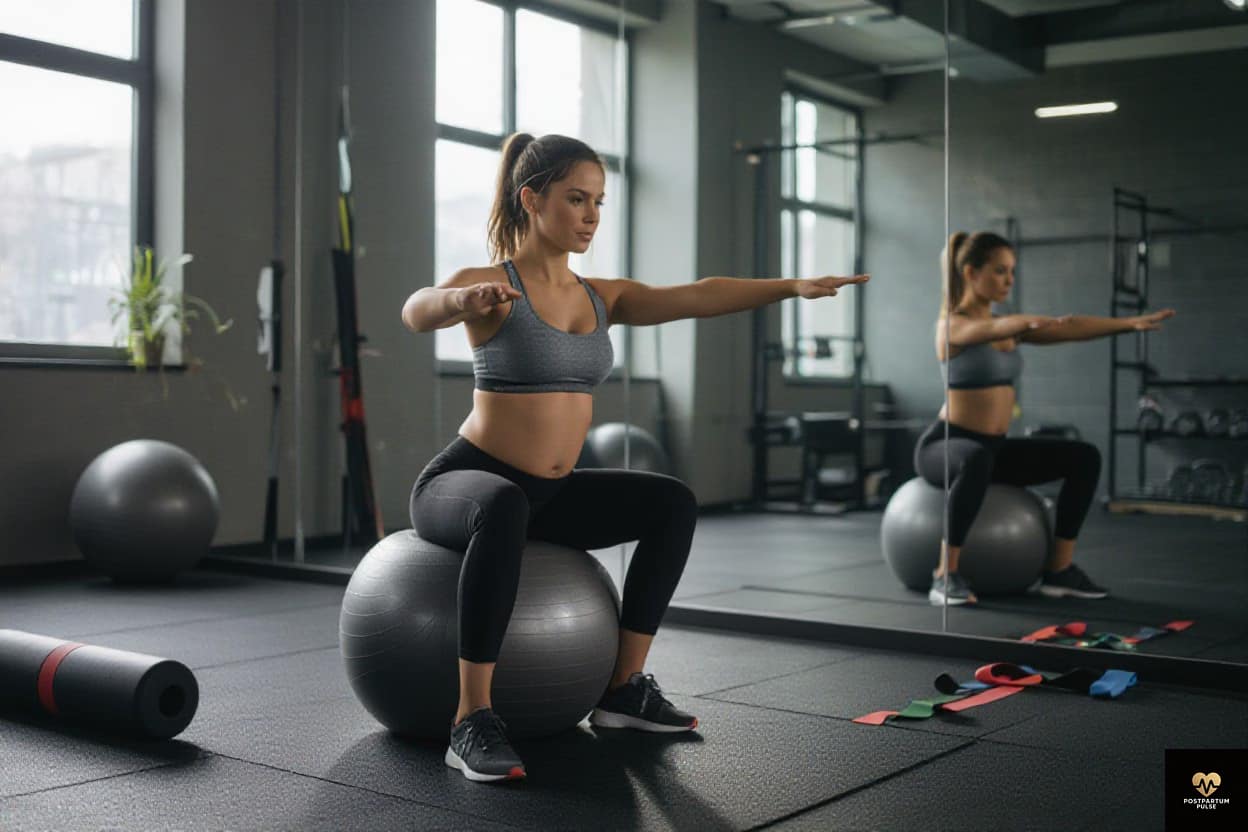
Instead of repeating the same YouTube postpartum ab exercises on autopilot, you can turn them into mini games: set a timer for 7 minutes, pick 3 moves, and cycle through them until the buzzer. Mix in a stability ball, a folded towel under your hips, or a light band so your postpartum belly exercises target new angles. Little tweaks like changing the tempo or adding pulses keep these moves feeling like the best postpartum abdominal exercises, not just another thing on your to-do list.
Combining Ab Workouts with Fun Activities
Pairing your core work with everyday activities makes your routine way easier to stick with, especially when you’re exhausted and busy. You can sneak in gentle postpartum ab exercises while you’re on the floor playing with your baby, waiting for water to boil, or even during a 10-minute stroller walk. When you stack these moments together, your day quietly fills up with some of the best postpartum abdominal exercises without a big scary workout block on your calendar.
Incorporating postpartum stomach exercises into daily routines can be effective; for instance, doing pelvic tilts on the living room rug while your baby kicks, performing heel slides during commercial breaks, and adding seated marches while rocking the stroller can accumulate to 10 to 15 minutes of exercise throughout the day. By linking these movements to existing habits like feeding sessions and nap times, you enhance consistency and work towards achieving a stronger, flatter core.
Troubleshooting: What If You Hit a Wall?
Some days you nail your postpartum abdominal exercises, other days you feel like your core forgot how to work at all. When that wall hits, simplify everything: cut your routine in half, slow each rep, and focus on easy breathing instead of chasing the best postpartum abdominal exercises you saw online. You can also grab ideas from 10 Best Postpartum Core Exercises, According to … – Peloton and just pick one or two moves that feel doable.
Common Struggles and How to Overcome Them
Maybe your belly still domes during basic moves, your back hurts during dead bugs, or you leak a little when you try to add crunch-style work. When that stuff pops up, scale way back to the gentlest version of each exercise, like heel slides instead of leg lifts, and keep your ribs stacked over your pelvis. Shorter sessions, like 5 to 8 minutes a day, usually add up faster than forcing one long, exhausting workout.
Is It Normal to Feel This Way?
You might feel frustrated that your postpartum belly exercises are harder at 8 weeks out than they were before pregnancy, or that your progress with the best postpartum abdominal exercises feels painfully slow. It often takes 6 to 12 months for your core and pelvic floor to feel solid again, even when you’re consistent. Symptoms like mild shaking, fatigue, or needing more rest days are usually just signs that your body is still healing, not proof you’re doing everything wrong.
If you want to know why pelvic floor matter and how to strengthen pelvic floor, check this article.
Many moms are surprised by the emotional challenges of postpartum exercises, often comparing themselves to their pre-baby selves or influencers. This common mental struggle doesn’t determine failure; instead, it can be viewed as data to improve workouts. By acknowledging limits, such as fatigue at 8 reps or discomfort during certain movements, adjustments can be made—like reducing reps or changing exercises. Progress becomes easier when focus shifts from judgment to experimentation.
Staying Motivated: Tips to Keep You Going
You know that feeling when you finally get 10 quiet minutes, hit play on a quick postpartum ab workout, and then the baby cries halfway through? That stop-start pattern is totally normal, but it can mess with your motivation if you let it. Instead of chasing perfection, you lean on tiny, repeatable habits that make the best postpartum abdominal exercises fit your real life, not some Pinterest fantasy. After you treat each session like a win, even a 5 minute one, your confidence grows and your core slowly catches up.
- Pair your postpartum belly exercises with something you already do daily, like making coffee.
- Keep a super simple workout note on your fridge with 3 go-to moves.
- Use a visible tracker (wall calendar or app) and mark every day you move, even if it’s 5 minutes.
- Rotate your favorite YouTube postpartum ab exercises so you never feel bored.
- After hard days, focus on gentle breathing and core engagement instead of skipping completely.
Setting Realistic Goals That Actually Work
A lot of moms tell me they set a huge goal like “flat stomach in 6 weeks” and then feel defeated by day 4, which is brutal when you’re already sleep deprived. Instead, you break goals into tiny actions: 10 minutes of the best postpartum abdominal exercises, 3 times a week, for one month. You track how many sessions you finish, not how your jeans fit. That shift keeps you moving forward, even when your progress feels slow and very not-Instagram-ready.
Finding Your Support System
One mom I coached texted a friend a sweaty selfie after every short core workout, and that tiny habit kept her going way more than any fancy app. You can do the same by finding 1 or 2 people who get why you’re squeezing in the best postpartum abdominal exercises between feedings and diaper changes. They don’t have to be fitness pros, they just need to cheer when you choose 8 minutes of gentle postpartum stomach exercises instead of scrolling. After you stop trying to do it all alone, the whole process feels lighter.
A support system for postpartum fitness can include local classes, online groups sharing exercises, or group chats for motivation. Some mothers prefer structured help like weekly Zoom workouts, while others benefit from a workout buddy sharing YouTube links. Partners can also contribute by designating short, uninterrupted workout times. Over time, this collective expectation encourages consistency in postpartum belly exercises, providing motivation on tougher days.
Summing up
Upon reflecting on how over 60% of new moms deal with a weak core after birth, you can see why the best postpartum abdominal exercises really matter for your recovery. When you focus on slow, controlled moves that support your pelvic floor and deep core, you give your body the chance to heal instead of just chasing a flat belly fast. If you stay patient, listen to your body, and build up week by week, those gentle postpartum belly exercises add up. In time, you feel stronger, more stable, and more at home in your own skin again.
FAQ
Q: When can I safely start postpartum abdominal exercises after giving birth?
A: One mom told me she tried doing crunches a week after coming home from the hospital and felt awful for days. That’s kind of the perfect example of going too fast too soon.
For most vaginal births, gentle postpartum abdominal exercises like deep breathing, pelvic tilts, and easy pelvic floor work can usually start in the first 1-2 weeks, as long as your doctor or midwife says it’s ok. We’re talking tiny, slow movements that help your body reconnect, not full workouts or intense postpartum belly exercises.
If you had a C-section, you typically need more time. Many providers suggest waiting about 4-6 weeks before starting even gentle postpartum stomach exercises, and sometimes longer before trying the best postpartum abdominal exercises that involve more core strength. The incision and deeper tissues need time to heal.
A good rule of thumb: if any movement makes your bleeding heavier, gives you sharp pain, or you feel pressure in your vagina like things are dropping, back off and rest. Healing comes first – the six-pack stuff can wait.
Q: What are the best postpartum abdominal exercises to start with for a weak core?
A: A client once told me she felt like her abs were “offline” after birth, like she was trying to turn on a light switch in a room with no power. That feeling is super common, and it means you need very gentle, basic moves at the beginning.
Some of the best postpartum abdominal exercises to start with are:
– Deep belly breathing while lying on your back, hands on your lower belly, exhaling slowly as you gently draw your belly in
– Pelvic tilts on your back, knees bent, flattening your lower back into the floor and then releasing
– Heel slides, where you lie on your back and slowly slide one heel away and back, keeping your belly flat and calm
– Marching in place lying on your back, lifting one knee at a time only as high as you can without doming in your tummy
These early postpartum ab exercises help wake up your deep core muscles, especially the ones that support your spine and pelvis. When those are firing again, everything else gets easier, including holding your baby, pushing the stroller, or just getting off the couch without feeling like your body is falling apart.
And yeah, they look super simple. But simple doesn’t mean pointless.
Q: How do I know if my postpartum abdominal exercises are safe for diastasis recti?
A: A lot of parents first find out about diastasis recti when they notice that funny cone or dome down the middle of their belly when they try to sit up. It’s weird and a bit freaky, but it just means your abs stretched a lot and the middle line needs some support.
To keep your diastasis safe, choose the best postpartum abdominal exercises that:
– Keep your belly flat or gently drawing inward while you move
– Do not make a hard ridge or triangle pop up along the midline
– Let you breathe without holding your breath or bracing too hard
Moves like deep core breathing, pelvic tilts, heel slides, side-lying leg lifts, and gentle bridges usually make good postpartum stomach exercises when you’re healing a gap. Things to avoid at first: full sit-ups, crunches, bicycle crunches, planks, and heavy lifting that makes you strain.
If you try a move and you see doming, bulging, or you get back pain or pelvic pressure, that exercise is too much right now. Swap it for a simpler one and work your way up. Little progress still counts.
Q: How often should I do postpartum belly exercises to see real results?
A: One mom told me she was doing a 30 minute ab workout once a week and felt totally stuck, but when she switched to 10 minutes most days, things started changing fast. Consistency honestly beats intensity here.
For most people, aiming for gentle postpartum belly exercises about 4-6 days per week works really well. You don’t need an hour. Even 10-15 minutes of the best postpartum abdominal exercises can help you rebuild strength and support, especially when you’re still tired, feeding a baby, and just trying to shower.
Think about it like brushing your teeth. Short and regular works better than a once-a-week marathon. Some days it might just be 5 minutes of breathing and pelvic tilts before bed, other days you add in bridges, bird dog, or side planks on your knees once your body is ready.
Progress looks different for everyone, but with steady postpartum ab exercises, many people feel more stable and supported within 4-8 weeks, and see visible changes in posture and belly shape over a few months.
Q: Which specific moves are considered the best postpartum abdominal exercises to flatten and strengthen my belly?
A: One of my favorite stories is about a mom who swore she needed extreme workouts, but when she committed to simple, focused moves, her core felt stronger than before pregnancy. The flashy stuff isn’t always the thing that works.
Effective postpartum abdominal exercises include deep core breathing with a belly wrap, glute bridges, bird dog, side planks on knees, and dead bug. These exercises focus on engaging the core, stabilizing the spine, and strengthening the waistline to support and flatten the belly over time.
These are the kind of postpartum stomach exercises that work your deep inner core, not just the surface six pack. When done correctly and paired with walking, good posture, and rest, they can help your belly look and feel more supported, not just “smaller.”
Key Takeaways
– Start with gentle postpartum ab exercises, especially if you’re within the first 6 weeks
– Focus on deep breathing, pelvic tilts, and slow, controlled movements at the beginning
– The best postpartum abdominal exercises should not cause pain, doming, or heavy pelvic pressure
– Consistency (short sessions most days) usually beats long, intense workouts once in a while
– Diastasis recti needs friendly core moves and patience, not aggressive crunches or sit-ups