 Skip to content
Understanding and Managing Postpartum Depression: A Guide for New Moms
September 1, 2024

Introduction
Having a baby is one of life’s most profound experiences, filled with joy, excitement, and a sense of fulfillment. However, for many new mothers, this period can also bring unexpected challenges and emotional upheaval. Postpartum depression (PPD) is a serious condition that affects up to 15% of new moms. It’s crucial to understand what postpartum depression is, recognize its symptoms early on, and know how to navigate through it effectively.
What is Postpartum Depression?
Postpartum depression is more than just the “baby blues.” While it’s normal for new mothers to experience mood swings or feel overwhelmed after childbirth due to hormonal changes and sleep deprivation, PPD goes beyond these temporary feelings. It involves intense emotions of sadness, anxiety, fatigue, guilt, and difficulty bonding with the baby that persist over time.
Types of Postpartum Mood Disorders
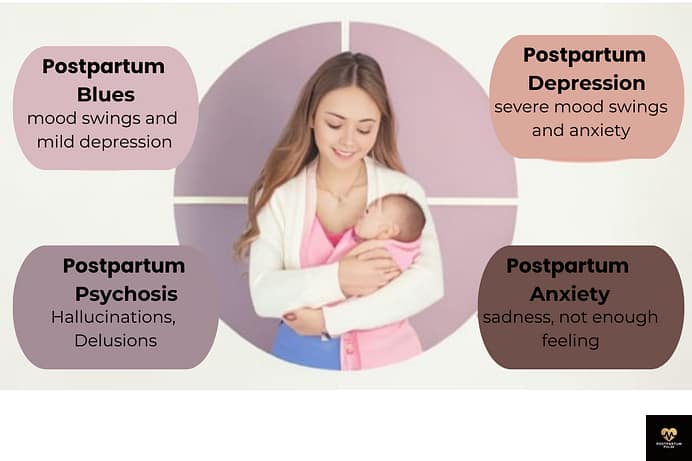
- Baby Blues: Affecting 50-75% of new mothers within the first week post-delivery. Symptoms include frequent crying spells without an apparent reason but usually subside within two weeks.
- Postpartum Depression: More severe than baby blues; affects about 1 in 7 new parents with symptoms lasting weeks or months if untreated.
- Postpartum Psychosis: A rare but severe condition requiring immediate medical attention; symptoms include severe agitation, confusion, paranoia or hallucinations.
Recognizing the Symptoms
Understanding postpartum depression symptoms can help you seek timely intervention:
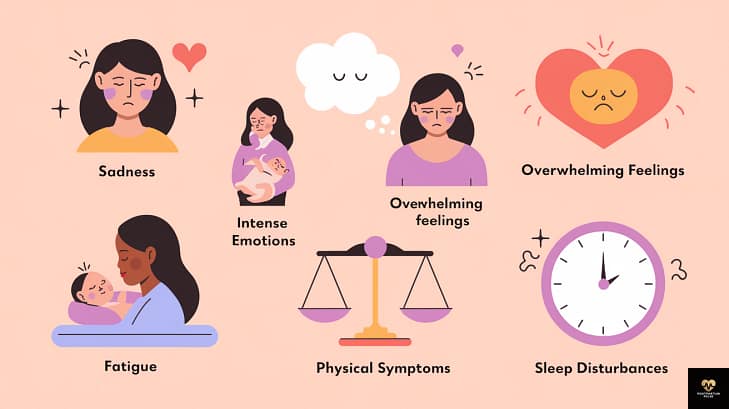
- Persistent sadness or hopelessness
- Excessive crying
- Severe mood swings
- Difficulty bonding with your baby
- Withdrawal from family and friends
- Loss of appetite or eating too much
- Insomnia or sleeping too much
- Overwhelming fatigue
- Feelings of worthlessness or guilt
- Anxiety attacks
- Thoughts of harming yourself or your baby
If you experience any combination of these symptoms for more than two weeks post-delivery—or if they interfere significantly with your daily life—it’s important to talk openly about them with a healthcare provider.
Causes and Risk Factors
The exact cause behind PPD isn’t clear-cut but likely involves several factors:
Biological Factors:
Hormonal changes play an essential role; estrogen & progesterone levels drop sharply after childbirth which may trigger depressive episodes.
Psychological Factors:
New motherhood brings immense responsibility leading some women into feeling overwhelmed by their role as caregivers especially when coupled alongside pre-existing mental health issues like anxiety disorders etc.
Social Factors:
Lacking support systems whether familial/social networks contribute greatly towards increased risk developing PPD particularly among single parents/teenage pregnancies where resources ae limited.
Other notable risk factors include having previous history either personal/familial related mental illnesses such as major depressive disorder/premenstrual dysphoric disorder(PMDD), experiencing complications during pregnancy/delivery process itself e.g., premature births/high-risk pregnancies involving multiple gestations etc.
Diagnosis & Treatment Options
There’s no specific test or diagnosis for PPD however routine screenings conducted during postpartum visits often help identifying the same.
Medical Treatments:
Medications:
Prescribed antidepressants manage chemical imbalances within brain alleviating depressive episodes effectively though must be taken under strict supervision.
Therapy Sessions:
Psychotherapy is beneficial in providing safe space exploring underlying issues contributing towards development coping mechanisms.
Self-Care Strategies:
Physical Activity:
Engaging in regular exercise boosts endorphin levels naturally, combating lethargy associated with depressive states and promoting healthier lifestyle choices overall benefiting both mother/baby alike!
Balanced Diets:
Consuming nutritious meals rich in vitamins/minerals is essential for maintaining optimal energy levels throughout the day reducing likelihood of experiencing extreme fatigue.
Restful Sleep Patterns:
Ensuring adequate rest is of paramount importance which helps in recovering physically/emotionally.

Building Support Networks
Building a strong support network is essential for navigating postpartum depression. Here are some ways to create and maintain supportive relationships:
Family and Friends
Reach out to family members and close friends who can offer emotional support, help with baby care, or just lend a listening ear. Don’t hesitate to ask for help when you need it.
Support Groups
Joining a postpartum support group can be incredibly beneficial. These groups provide a safe space to share your experiences with other new mothers who understand what you’re going through.
Professional Help
Don’t shy away from seeking professional help. Therapists specializing in postpartum issues can provide valuable guidance and coping strategies. Your healthcare provider can also recommend local resources or specialists.
Conclusion
Understanding postpartum depression is the first step towards managing it effectively. If you or someone you know is struggling with PPD remember that it’s okay to seek help—you’re not alone in this journey! With right support/treatment recovery entirely possible…
If you found this article helpful please share others might benefit information… And remember taking care mental health just important as taking care newborn!
For more resources on postpartum mental health visit our website.
Related Articles:
- “10 Self-Care Tips for New Moms”
- “How Partners Can Support New Mothers”
- “Understanding Baby Blues vs Postpartum Depression”
Follow Us on Social Media:
- Instagram Postpartumpulse
- Pinterest Postpartumpulse
- Youtube @postpartumpulse
Thank You Reading!