 Skip to content
Postpartum Birth Control: Choosing the Right Method
March 30, 2026


Postpartum Birth Control: Choosing the Right Method
TL;DR
- Method Selection: Progestin-only options (mini-pills, injections, implants) and non-hormonal methods (Copper IUD, barriers) are generally preferred postpartum because they do not interfere with milk supply.
- Safety & Timing: Estrogen-based contraceptives (combined pills, patches, rings) should typically be avoided for the first 6 weeks due to an increased risk of blood clots (Venous Thromboembolism) during early recovery.
- Long-Term Options: Long-Acting Reversible Contraceptives (LARCs), such as IUDs and implants, offer the highest effectiveness and a “set-it-and-forget-it” convenience for busy new parents, often insertable starting at the 6-week check-up.
- Natural Alternatives: The Lactational Amenorrhea Method (LAM) can be effective only if you are exclusively breastfeeding, your period hasn’t returned, and your baby is under six months old.
Table of Contents
- Understanding Postpartum Contraceptive Options
- Impact of Breastfeeding on Contraception Choice
- Hormonal Fluctuations Postpartum and Method Selection
- Understanding Risks: Estrogen-Based Contraceptives Postpartum
- Long-Acting Reversible Contraceptives (LARCs): Ease and Effectiveness Postpartum
- Understanding the Timing of Contraceptive Insertion Postpartum
- Exploring Various Contraception Options After Childbirth
- Comparison of Postpartum Contraception Methods
- Contraceptive Decision-Making Factors Postpartum
- Physiological Postpartum Changes Affecting Contraception
- Understanding Barrier Methods for Postpartum Birth Control
- Understanding Blood Clot Risks and Postpartum Contraception
- Your Postpartum Family Planning Goals and Contraception Choices
- Frequently Asked Questions About Postpartum Contraception
The postpartum period is a special time, full of immense change and new beginnings. As you navigate the beautiful journey of motherhood, thinking about your well-being and future family planning is a natural step. Choosing the right postpartum birth control can feel like a big decision. Deciding on contraception after childbirth involves considering many aspects, including your recovery, your family planning goals, and whether you are breastfeeding.
Understanding Postpartum Contraceptive Options

There are so many wonderful postpartum birth control options available to you after your baby arrives. It is truly about finding what aligns with your unique lifestyle and health needs. We will gently explore a range of methods, from those that use hormones to those that do not, helping you understand their effectiveness and how they might fit into your life as a new mother.
It’s important to remember that your body can become fertile again surprisingly quickly after childbirth, even before your first postpartum period returns. This is why discussing postpartum contraception with your healthcare provider, often your ob-gyn, is a crucial part of your postpartum care. They can offer personalized advice based on your medical history and current situation, ensuring your gynecological health is prioritized.
Impact of Breastfeeding on Contraception Choice

For many new mothers, breastfeeding is a central and cherished part of their postpartum experience. It’s completely understandable to wonder how postpartum birth control might affect this precious bond and your milk supply. When you are breastfeeding, your contraception choices naturally focus on two key considerations: maintaining your milk supply and ensuring infant safety.
Understanding Hormonal Contraception and Breastfeeding
Most non-estrogen methods are considered very safe for breastfeeding mothers. This is why progestin-only pills, also known as the “mini-pill,” are often recommended. They provide effective postpartum contraception without impacting your milk production. The birth control injection, like Depo-Provera, is also a progestin-only option that can be suitable.
On the other hand, estrogen-containing methods, such as certain birth control pills, the birth control ring, or the birth control patch, are usually delayed for several weeks postpartum. This is because estrogen can potentially impact and reduce your milk supply, which is something we want to avoid when you’re establishing breastfeeding.
Lactational Amenorrhea Method (LAM): Breastfeeding as Birth Control
The Lactational Amenorrhea Method, or LAM, is a natural family planning approach that uses breastfeeding as a form of birth control. It’s a wonderful option for many, but it does come with specific conditions to ensure its effectiveness. You might find this method appealing for its simplicity and natural approach to family planning.
For LAM to be effective, three conditions must be met: your baby must be less than six months old, your periods must not have returned since childbirth, and you must be exclusively breastfeeding on demand, day and night, without long gaps between feeds. This means no formula, no solid foods, and frequent nursing to keep your hormones signaling for milk production.
It’s important for you to know that once your baby starts receiving formula or solid foods, or if your periods return, LAM becomes significantly less reliable. At that point, you will need to consider other methods of postpartum contraception to ensure effective protection against pregnancy. Many women find it helpful to discuss this with their OB-GYN for personalized advice.
Physiological Postpartum Changes Affecting Contraception
Your body undergoes incredible hormonal fluctuations postpartum, and these shifts can influence contraceptive effectiveness and your options. The return of fertility varies greatly among women, especially for those who are breastfeeding. This is why understanding your options for contraception after childbirth is so vital for women’s health and family planning goals.
Hormonal Fluctuations Postpartum and Method Selection
It’s important to know that postpartum women do face an increased risk of blood clots, also known as Venous Thromboembolism Risks. Estrogen-containing contraceptives can further amplify this risk, particularly within the first three months after delivery. Your ob-gyn will carefully assess your individual health profile, looking at factors like a history of prior clots or conditions like Thrombophilia, which might require genetic testing for blood clots. This careful contraceptive risk assessment ensures your safety and well-being.
Understanding Risks: Estrogen-Based Contraceptives Postpartum
It’s important to know that postpartum women naturally face an increased blood clotting risk, particularly within the first three months after delivery. This risk is primarily due to the physiological changes your body undergoes during pregnancy and childbirth recovery.
Estrogen-containing contraceptives, also known as Combined Hormonal Methods, such as certain birth control pills, the birth control ring, or the birth control patch, can further elevate this risk. This is especially true if you have other risk factors, like a history of prior blood clots or certain genetic disorders like Thrombophilia, which might be identified through Genetic Testing for Blood Clots.
For this reason, many healthcare providers and organizations like the American College of Obstetricians and Gynecologists often recommend avoiding Combined Hormonal Methods during the initial postpartum period, typically the first six weeks. Sometimes, this recommendation extends longer if specific risk factors are present, or if you are exclusively breastfeeding as birth control.
A thorough Contraceptive Risk Assessment with your ob-gyn is essential to ensure your safety and well-being. They can help you understand your personal risk profile and recommend methods that are safe and effective for your postpartum contraception journey, considering your overall gynecological health and family planning goals.
Long-Acting Reversible Contraceptives (LARCs): Ease and Effectiveness Postpartum
As you embrace the beautiful chaos of caring for a new baby, we understand that simplifying your routine can make a world of difference. This is where long-acting reversible contraceptives, or LARCs, truly shine. These methods, including both hormonal and copper intrauterine devices (IUDs) and the contraceptive implant, offer a wonderful sense of ease and peace of mind for your family planning journey.
LARCs are celebrated for being highly effective and incredibly long-lasting. Imagine not needing to remember a daily birth control pill or replace a patch weekly. Once inserted by your ob-gyn, these methods become a “set it and forget it” option, providing reliable postpartum birth control so you can focus more on your little one and your own women’s health.
Timing and Reversibility of LARCs After Childbirth
For many, the timing of contraceptive insertion postpartum is a key consideration. LARCs can often be inserted as early as six weeks postpartum, and in some cases, even sooner, depending on your individual health circumstances and your provider’s practice. This allows for excellent protection against pregnancy for several years, giving you control over your family planning goals.
One of the most appealing advantages of LARCs is their full reversibility. When you decide you are ready to try for another pregnancy, your ob-gyn can easily remove the device. Your fertility typically returns quickly, offering flexibility that many families appreciate. The American College of Obstetricians and Gynecologists often highlights LARCs as a top recommendation for postpartum contraception due to their effectiveness and convenience.
Understanding the Timing of Contraceptive Insertion Postpartum
Understanding when you can begin different contraception options is a very common and important question. We want to gently guide you through the considerations for timing, as it can vary based on the method you choose and your individual childbirth recovery journey.
For many women, particularly those considering long-acting reversible contraceptives (LARCs) such as a hormonal or copper intrauterine device (IUD), insertion is often possible around six weeks postpartum, usually coinciding with your follow-up visit. Some healthcare providers, depending on hospital protocols and your specific situation, might even offer insertion immediately after delivery. This can be a wonderful option for immediate and effective postpartum contraception.
Progestin-Only Options and Early Postpartum Contraception
If you’re looking for an immediate option, progestin-only pills can often be started right after birth. These are frequently recommended as a suitable choice for breastfeeding mothers, as they are less likely to impact your milk supply. The birth control injection, another progestin-only method, can also be administered soon after delivery, offering convenience and reliable protection.
The American College of Obstetricians and Gynecologists often highlights the benefits of these methods for immediate postpartum use. They are crucial for effective family planning during this sensitive time, especially as hormonal fluctuations postpartum can make timing even more critical for preventing unintended pregnancies.
Considering Combined Hormonal Methods and Blood Clot Risks
For combined hormonal methods, which contain both estrogen and progestin, there is typically a waiting period of at least three to six weeks postpartum. This recommendation is in place to minimize the risks associated with blood clotting, known as Venous Thromboembolism Risks, which are naturally higher in the postpartum period. Estrogen-containing birth control pills, the birth control ring, or the birth control patch can amplify this risk, particularly within the first three months after childbirth, especially if you have other risk factors like a history of blood clots or a condition like thrombophilia.
Your ob-gyn will carefully discuss the optimal timing for each method during your postpartum check-ups. This personalized ob-gyn advice ensures that your choices for postpartum birth control are both effective and safe, taking into account your unique health profile and childbirth recovery.
Impact of Breastfeeding on Contraception Choice
For mothers who are breastfeeding, the impact of contraception on milk supply is a vital consideration. Expert recommendations suggest progestin-only methods are generally preferred for breastfeeding women, as estrogen can potentially reduce milk supply. This is why progestin-only pills and the birth control injection are often recommended early on.
The Lactational Amenorrhea Method (LAM) is another natural option for breastfeeding birth control. However, it is only effective if you are exclusively breastfeeding, your baby is under six months old, and your menstrual period has not returned. It’s a method that requires strict adherence to specific criteria to be truly reliable for family planning.
Comprehensive Postpartum Contraceptive Options Overview
As you consider your options for contraception after childbirth, remember there’s a wide array of choices. These include hormonal methods like birth control pills, the birth control ring, and the birth control patch, as well as progestin-only alternatives. Barrier methods such as condoms, spermicide, the diaphragm, and the cervical cap also offer non-hormonal protection. LARCs, like hormonal and copper IUDs and implants, stand out for their high effectiveness and long-lasting nature, offering reliable protection for busy new mothers.
Your gynecological health and overall well-being are at the heart of these decisions. We encourage you to have an open conversation with your healthcare provider about your family planning goals and any concerns you may have regarding hormonal fluctuations postpartum or specific contraceptive risk assessments. You are doing an incredible job, and choosing the right postpartum contraception is another step in caring for yourself and your family.
Contraceptive Decision-Making Factors Postpartum
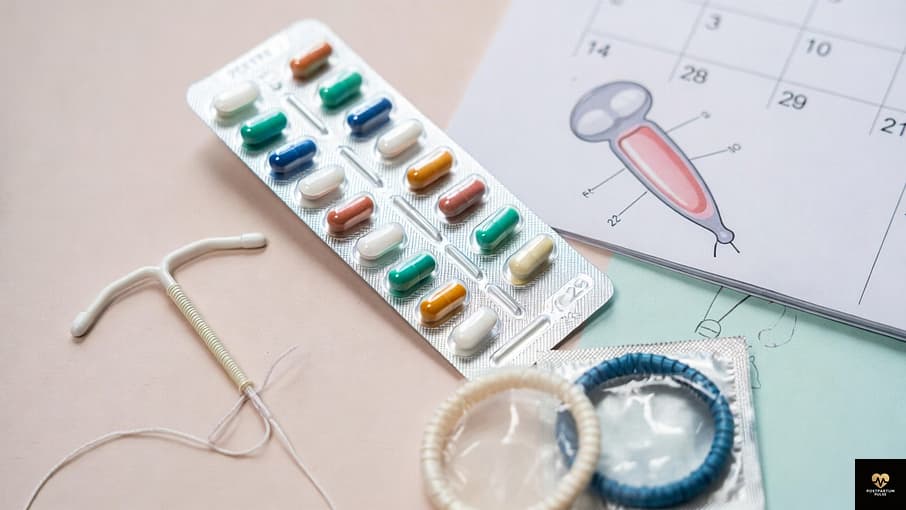
Your postpartum birth control decision should take into account your personal health history, your breastfeeding status, your future family planning goals, and any concerns about hormonal fluctuations or blood clotting risk. Discussing these with your ob-gyn is crucial for making the best choice for your unique situation during this special time.
Comparison of Postpartum Contraception Methods
To help you visualize the various options, here is a helpful comparison table outlining key aspects of different postpartum birth control methods. This can be a gentle guide as you consider your choices for contraception after childbirth, always remembering that your unique journey is what matters most.
| Method | Type | Timing Postpartum | Impact on Breastfeeding | Effectiveness |
|---|---|---|---|---|
| Progestin-Only Pills | Hormonal | Immediately after birth | Generally no impact | High (if taken consistently) |
| Birth Control Injection | Hormonal | Immediately after birth | Generally no impact | Very High (3 months) |
| Hormonal IUD | Hormonal (LARC) | From 6 weeks postpartum | Generally no impact | Extremely High (3-7 years) |
| Contraceptive Implant | Hormonal (LARC) | From 6 weeks postpartum | Generally no impact | Extremely High (up to 3 years) |
| Copper IUD | Non-Hormonal (LARC) | From 6 weeks postpartum | No impact | Extremely High (up to 10 years) |
| Combined Hormonal Methods | Hormonal | Generally after 6 weeks postpartum | May reduce milk supply | High (if used consistently) |
| Barrier Methods (Condoms) | Non-Hormonal | When ready for intimacy | No impact | Moderate (user-dependent) |
| Lactational Amenorrhea Method (LAM) | Natural, Non-Hormonal | First 6 months postpartum | Requires exclusive breastfeeding | High (under strict conditions) |
Physiological Postpartum Changes Affecting Contraception
Your body undergoes truly remarkable physiological changes after childbirth. Your uterus is gently returning to its pre-pregnancy size, hormone levels are shifting dramatically, and your body is healing from the incredible work of pregnancy and delivery. These postpartum changes are profound and can influence which contraception after childbirth methods are most suitable and when they can be safely started.
For example, the uterine changes affect the optimal timing for IUD insertion, ensuring it is placed correctly and comfortably. Thinking about your gynecological health and how your body is recovering is a vital part of choosing your postpartum birth control.
Additionally, the postpartum period is associated with a temporary increase in blood clotting factors. This is a natural, protective mechanism against excessive bleeding after birth. Because of this, combined hormonal methods, like the birth control pill, birth control ring, or birth control patch, are generally delayed. This gentle approach helps avoid adding to this already elevated risk of Venous Thromboembolism Risks, especially in the first few weeks.
Your ob-gyn will take all these intricate physiological adjustments and hormonal fluctuations into account when helping you choose your postpartum contraception. This ensures your safety and gently promotes your overall childbirth recovery, supporting your women’s health journey.
Understanding Barrier Methods for Postpartum Birth Control
Barrier methods offer a non-hormonal approach to contraception after childbirth, which many women appreciate. These methods include condoms, diaphragms, and cervical caps, and they can be a gentle way to approach family planning.
These options are generally considered safe for breastfeeding mothers, as they do not impact milk supply or your baby. You can typically introduce them once you feel physically ready for intimacy, usually after your postpartum check-up and once any tears or incisions have fully healed. This timing allows your body to recover beautifully.
While barrier methods are effective when used correctly and consistently, it’s important to know that their effectiveness can be lower compared to long-acting reversible contraceptives (LARCs) or hormonal birth control methods. This is because their success relies heavily on consistent user adherence, meaning you need to remember to use them every time.
For enhanced protection, barrier methods like condoms can be used alongside spermicide. Spermicide works to immobilize or kill sperm, adding an extra layer of contraceptive security. This combination can offer greater peace of mind as you navigate postpartum contraception.
If you choose a diaphragm or cervical cap, it’s crucial to be refitted after childbirth. Your body undergoes significant changes, and your cervix and vaginal canal may have changed in size and shape. An updated fitting ensures the method remains effective and comfortable for your unique body after childbirth recovery.
These barrier methods offer you a sense of control and flexibility in your family planning. You decide when to use them, which can be a valuable aspect for some women as they adjust to the postpartum period. It’s all about finding what feels right and supportive for you and your gynecological health.
The Importance of Discussion and Reflection

The postpartum period is often a time of profound reflection and adjustment, a unique phase of women’s health. Taking time to consider your long-term family goals, and discussing them openly with your partner and your trusted ob-gyn, can bring immense clarity and peace of mind to your contraceptive decision-making. This thoughtful approach helps ensure your choices support your overall well-being and gynecological health.
Frequently Asked Questions About Postpartum Contraception
When can I start birth control after giving birth?
The timing for starting postpartum birth control truly depends on the method you choose and your individual circumstances. You might be surprised to learn that some progestin-only pills, the birth control injection, and contraceptive implants can often be started immediately after birth. For methods like intrauterine devices (IUDs), whether hormonal or copper, insertion is typically done from around six weeks postpartum, often at your follow-up visit. Combined hormonal methods, which contain estrogen, are usually delayed for at least six weeks postpartum. This is especially important if you are breastfeeding or have specific risk factors for blood clots, as these methods can increase venous thromboembolism risks in the immediate postpartum period.
Is breastfeeding a reliable form of birth control?
The Lactational Amenorrhea Method (LAM) can indeed be a highly effective form of birth control, but it relies on very specific conditions being met. For LAM to work as postpartum contraception, your baby must be less than six months old, your periods must not have returned, and you must be exclusively breastfeeding on demand, both day and night, without long gaps between feeds. It is so important to understand that if any of these conditions change, LAM is no longer considered reliable, and you will need to use another method of contraception to ensure effective family planning. Many top-ranking articles on Google and YouTube discuss this method, and Lisa Fullam often emphasizes its strict requirements.
What are the best birth control options while breastfeeding?
For breastfeeding mothers, prioritizing your milk supply and your baby’s safety is wonderfully natural. Progestin-only methods are generally recommended as they do not affect milk supply. These options for postpartum birth control include progestin-only pills (often called mini-pills), the birth control injection (like Depo-Provera), hormonal IUDs, and the contraceptive implant (Nexplanon). Non-hormonal options are also excellent choices for breastfeeding women, such as the copper IUD and barrier methods like condoms or a diaphragm. Your ob-gyn can help you explore these options that support both your breastfeeding journey and your family planning goals.
Can I use combined hormonal birth control if I have a history of blood clots?
If you have a history of blood clots, or other risk factors for venous thromboembolism, combined hormonal methods are generally not recommended, especially during the postpartum period. This is because the postpartum period itself carries a naturally higher blood clotting risk, and estrogen can amplify this. Your ob-gyn will conduct a thorough contraceptive risk assessment, considering your unique gynecological health and any factors like thrombophilia, which might be identified through genetic testing for blood clots. They will gently guide you toward safer alternatives, such as progestin-only methods or non-hormonal options, ensuring your well-being is always the priority. The American College of Obstetricians and Gynecologists provides clear guidelines on this.
How do I choose the right birth control method for me?
Choosing the right postpartum birth control method is a deeply personal decision, dear one. It involves gently considering your personal health, whether you are breastfeeding, your family planning goals, and your lifestyle. We truly encourage you to have an open and honest conversation with your ob-gyn. They can provide personalized advice, discuss the pros and cons of each method for your unique situation, and help you make an informed decision that feels wonderfully right for you and your childbirth recovery. Alex Rowan from the Alex Rowan Foundation often speaks about the importance of informed choice in women’s health.